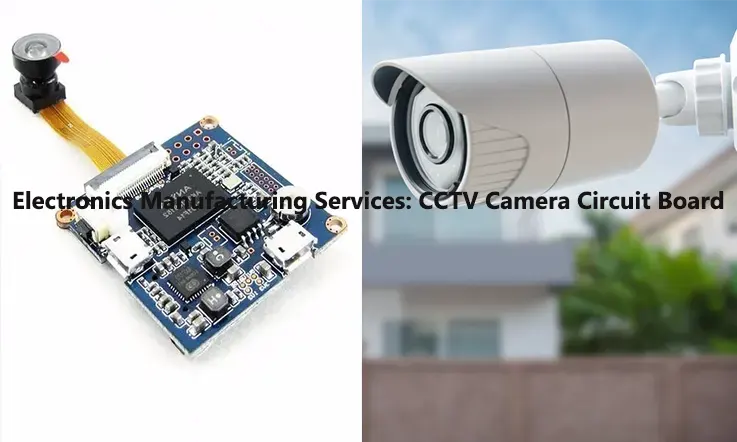
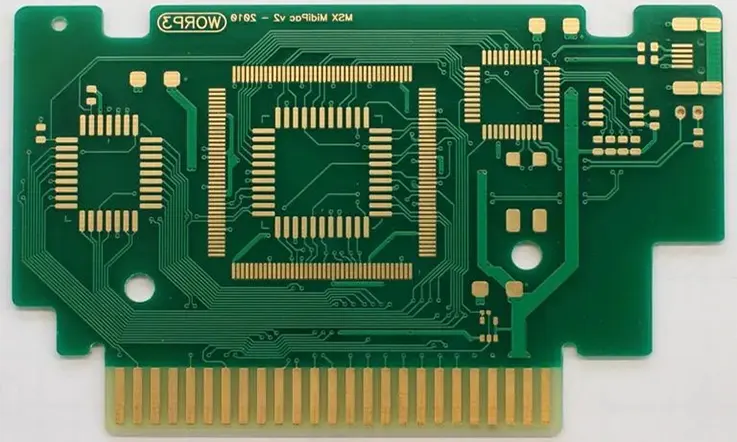
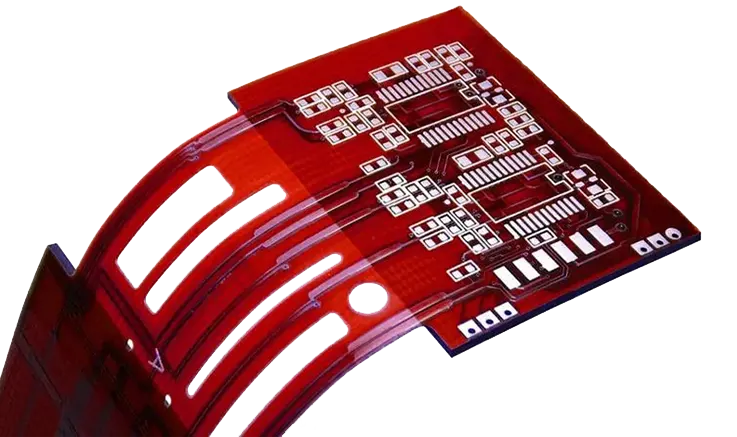
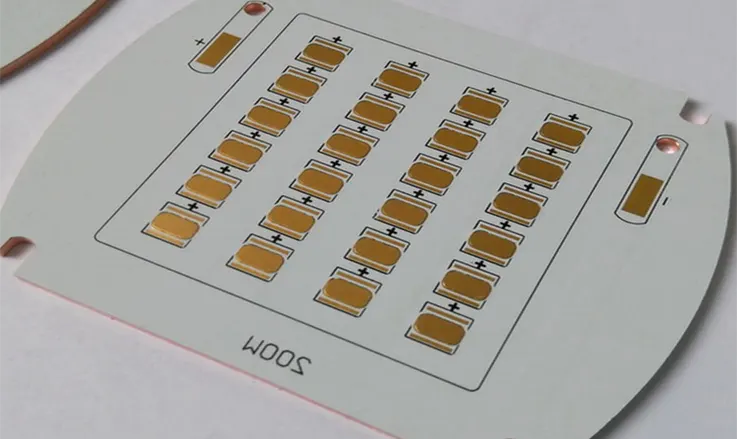
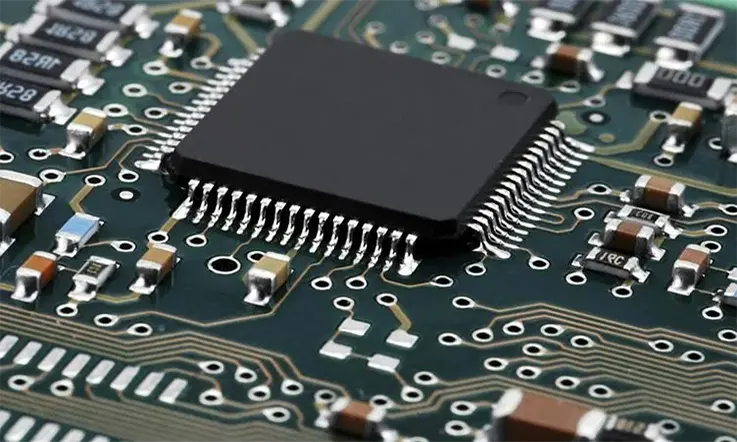
CCTV cameras have become an essential tool for surveillance and security in various settings, including homes, businesses, and public spaces. At the heart of every CCTV camera is a circuit board that contains the electronic components responsible for capturing and processing video signals. The design and manufacturing of CCTV camera circuit boards require careful consideration of various factors, including image sensor selection, power supply, signal integrity, thermal management, and quality control. In this article, we will explore definition, Design, Manufacturing, materials, types, and the importance of CCTV camera circuit board technology and the potential future developments in this field.
What Is A CCTV PCB?
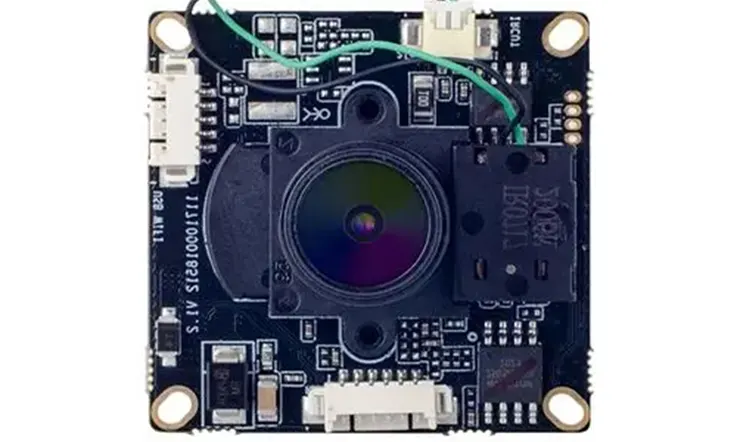
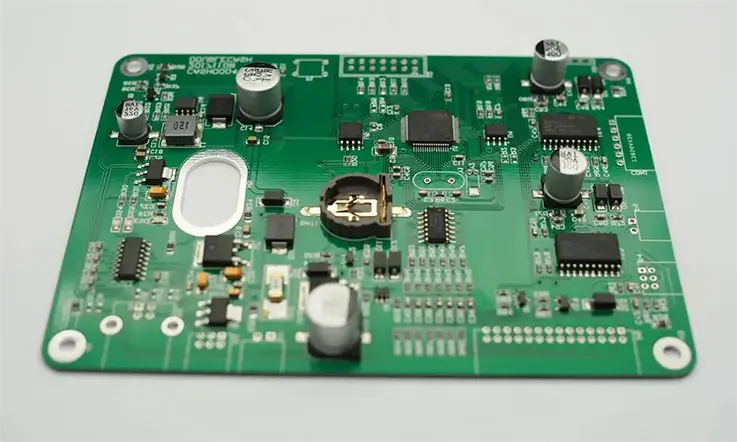
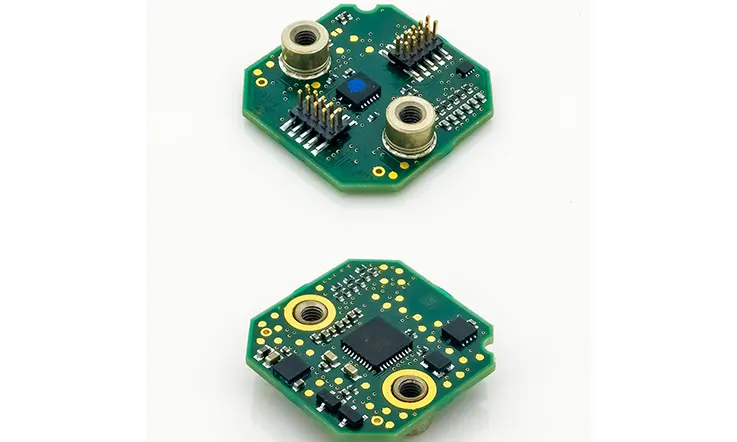
A CCTV PCB board is a compact video recording device integrated onto a printed circuit board, widely known for its versatility. By directly incorporating optical and sensor components into the circuit board, manufacturers can achieve a more streamlined design by eliminating the need for external components. These PCB boards are commonly employed in workplace surveillance systems.
A CCTV camera PCB functions as a digital camera, with the aperture, lens, and image sensor interconnected to the board using standard input and output connections. This allows for a compact form factor, typically featuring a 1/3″ overall lens diameter.
While CCD sensors are frequently utilized, CMOS and CID sensors are also available. CCTV PCB boards maintain the essential functionality of surveillance cameras, even in the absence of specific features.
Components of a CCTV Camera Circuit Board
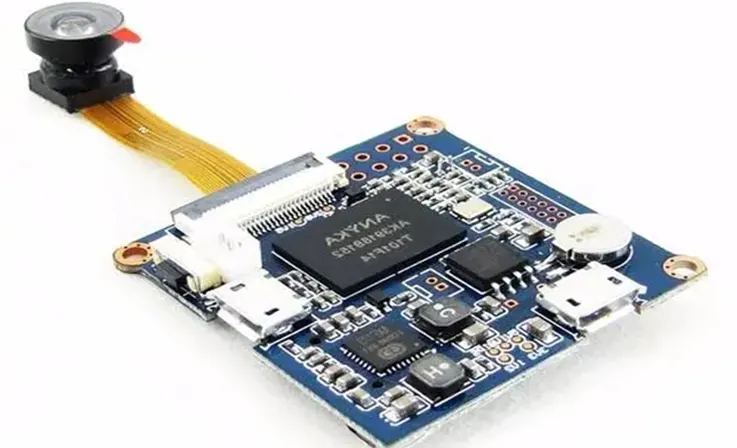
A CCTV camera circuit board is a complex electronic system that includes multiple components. Some of the common components found in a CCTV camera circuit board include:
Image Sensor: The image sensor is the most important component of a CCTV camera circuit board. It captures the light that enters the lens and converts it into an electrical signal.
Lens: The lens is responsible for focusing the light onto the image sensor. It determines the field of view and the level of magnification of the camera.
Processor: The processor is the brain of the CCTV camera circuit board. It processes the images captured by the image sensor and converts them into a digital format.
Memory: The memory component stores the digital images and video captured by the camera. It can be either volatile (RAM) or non-volatile (ROM or Flash memory).
Power Supply: The power supply component provides power to the camera circuit board. It can be either a battery or a power adapter.
Video Encoder: The video encoder converts the digital signal from the processor into a format that can be transmitted over a network or stored on a digital video recorder (DVR).
Connectors: Connectors are used to connect the various components of the CCTV camera circuit board. They include interfaces for the power supply, data transfer, and control signals.
PCB and other supporting components: Printed Circuit Board (PCB) is the backbone of the CCTV camera circuit board, which connects all the components together. Other supporting components such as resistors, capacitors, transistors, diodes, and ICs are also used to ensure proper functioning of the circuit board.
Types of CCTV Camera Circuit Boards
There are various types of CCTV camera circuit boards available in the market. Some of the most common types include:
Analog CCTV Camera Circuit Board: This type of circuit board is used in traditional analog CCTV cameras. It converts the analog signal from the camera into a digital signal to be transmitted over a coaxial cable.
IP CCTV Camera Circuit Board: This type of circuit board is used in IP cameras and is designed to convert the analog signal into a digital signal that can be transmitted over a network.
HD CCTV Camera Circuit Board: This type of circuit board is designed to support high-definition video, typically 720p or 1080p resolution. It can be used in both analog and digital CCTV cameras.
Wireless CCTV Camera Circuit Board: This type of circuit board is designed to support wireless data transmission, allowing the camera to transmit video over a Wi-Fi or cellular network.
PTZ CCTV Camera Circuit Board: This type of circuit board is used in pan-tilt-zoom cameras and includes additional circuitry to control the movement of the camera.
Thermal CCTV Camera Circuit Board: This type of circuit board is designed to support thermal imaging cameras, which use infrared radiation to detect heat signatures.
Day/Night CCTV Camera Circuit Board: This type of circuit board is designed to support cameras that can switch between color and black-and-white modes depending on the lighting conditions.
Dome CCTV Camera Circuit Board: This type of circuit board is used in dome cameras, which are designed to be discreet and blend in with the surrounding environment.
Circuit Board Design Considerations for CCTV Cameras
Designing a circuit board for CCTV cameras requires careful consideration of several factors to ensure optimal performance and reliability. Some of the key design considerations for CCTV camera circuit boards include:
Image Sensor Selection: The selection of an appropriate image sensor is critical for the performance of the CCTV camera. The image sensor should be able to capture high-quality images in low light conditions and have a suitable resolution for the camera’s intended use.
Power Supply: The power supply should be designed to provide stable and reliable power to the camera circuit board. It should also be able to handle the power requirements of the various components on the board.
Signal Integrity: The design should ensure that the signals between different components on the board are transmitted with minimal interference and distortion. This can be achieved by careful routing of the traces on the PCB and by using appropriate shielding.
Thermal Management: CCTV cameras generate heat, which can affect the performance and lifespan of the components. The circuit board design should include adequate thermal management measures, such as heatsinks and thermal vias, to dissipate heat and maintain a stable operating temperature.
EMC/EMI Considerations: CCTV cameras can be sensitive to electromagnetic interference (EMI) and can also generate electromagnetic emissions (EMC). The circuit board design should include measures to minimize EMI and ensure compliance with relevant EMC standards.
Form Factor: The form factor of the circuit board should be designed to fit the intended camera housing or enclosure. This may involve designing the board to be compact and space-efficient, with a suitable arrangement of components and connectors.
Manufacturing and Assembly Considerations: The circuit board design should take into account the manufacturing and assembly processes, including the placement of components, trace routing, and testing procedures.
By considering these factors in the circuit board design, the resulting CCTV camera will be of high quality and reliability.
Manufacturing process of CCTV camera circuit boards
The manufacturing process for CCTV camera circuit boards involves several steps that are similar to those used in the production of other electronic devices. The following are the typical steps involved in the manufacturing process of CCTV camera circuit boards:
Design and Prototyping: The first step in the process involves creating a design for the CCTV camera circuit board and prototyping it. The design is typically done using software tools such as Computer-Aided Design (CAD) software. Once the design is finalized, a prototype is created to test the functionality and design of the circuit board.
Component Sourcing: Once the prototype is approved, the next step is to source the components needed for the circuit board. This involves identifying the required components, selecting suppliers, and placing orders.
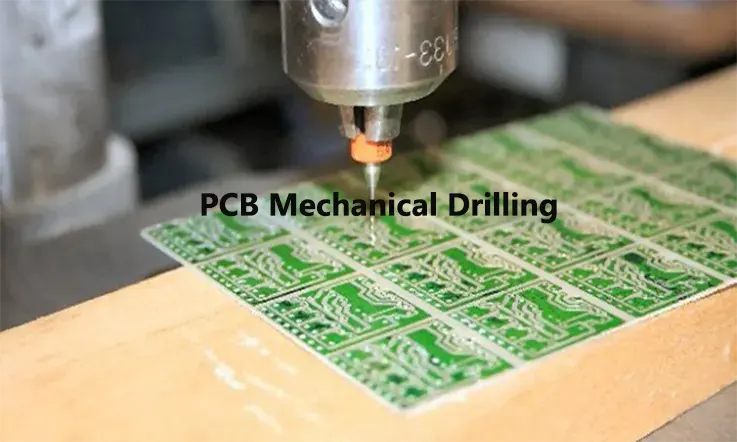
PCB Fabrication: The circuit board is created by printing the circuit design onto a PCB using a photoresist process. The PCB is then drilled and plated to create the required connections between components.
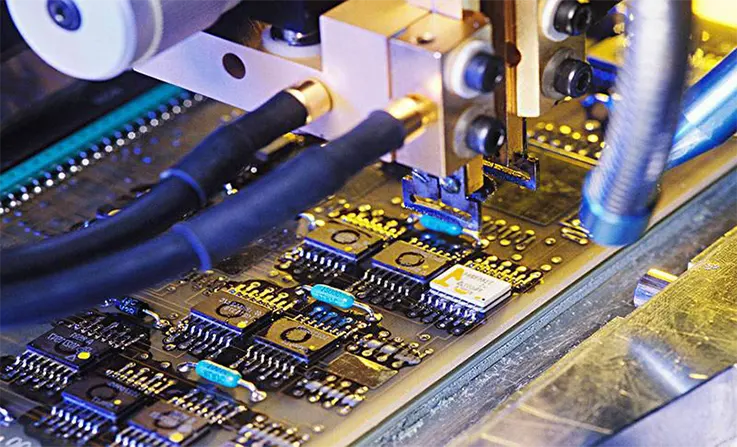
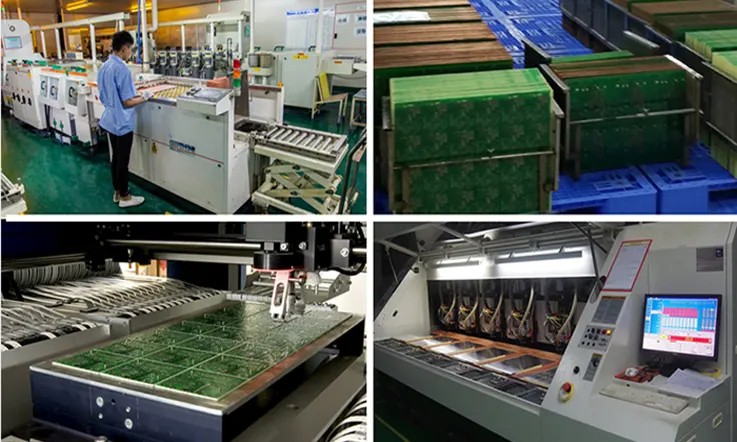
Component Placement: Once the PCB is ready, the components are placed on the board using a pick and place machine. The machine uses computer-controlled arms to place the components accurately and quickly.
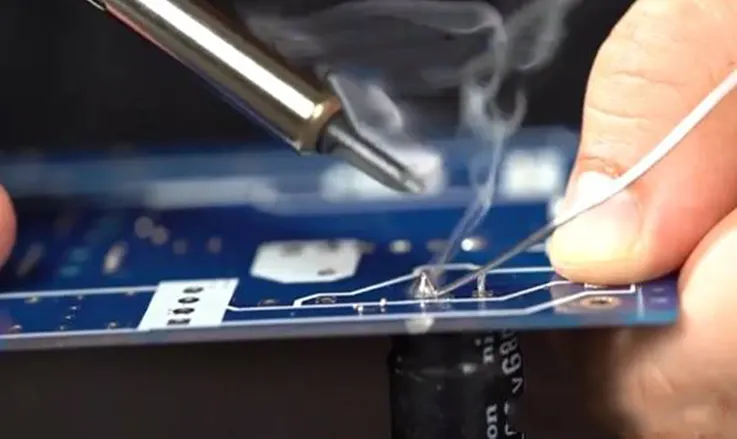
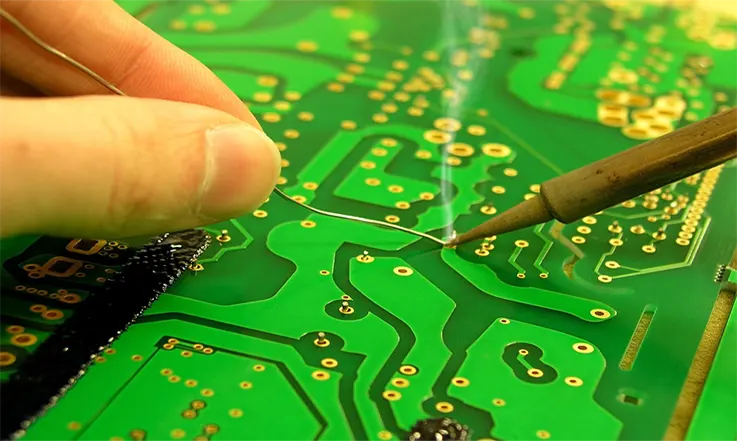
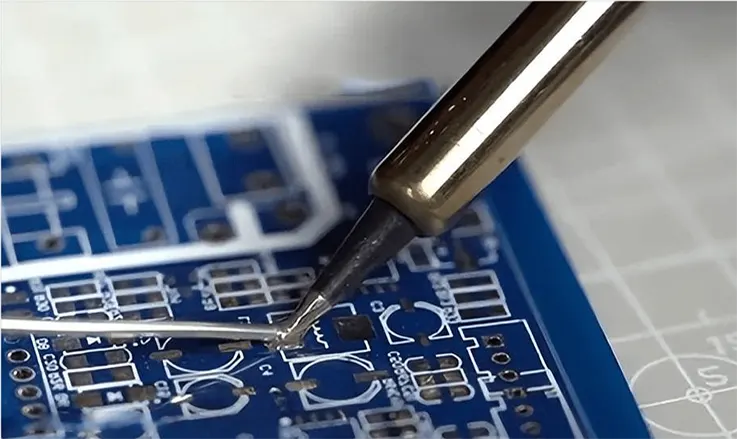
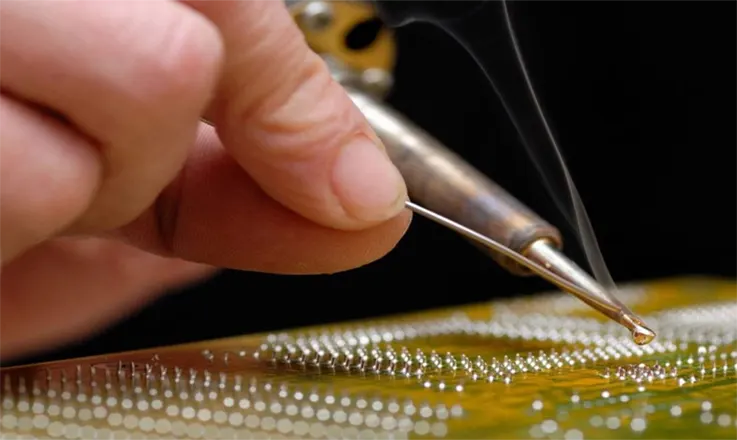
Soldering: The components are then soldered onto the PCB using a wave soldering or reflow soldering process. This ensures that the components are firmly attached to the board and the connections are strong.
Testing: The completed circuit board is then tested to ensure that it functions correctly. This involves checking the connections, testing the power supply, and verifying the functionality of each component.
Assembly: Once the circuit board is tested and approved, it is assembled into the camera housing or enclosure. This involves connecting the circuit board to the other camera components, such as the lens and power supply.
Final Testing: The completed CCTV camera is then tested to ensure that it meets the required specifications and standards. This includes testing the image quality, power consumption, and operational stability of the camera.
Quality Control: Finally, the CCTV camera is subjected to quality control checks to ensure that it meets the required quality standards. This includes checks for reliability, durability, and compliance with relevant regulations and standards.
By following these steps, manufacturers can create high-quality CCTV camera circuit boards that are reliable and functional.
What Are the Materials of CCTV PCB ?
A CCTV PCB consists of two primary components, namely the circuit board and the camera module. The circuit board is responsible for providing the electrical connections and components necessary for the device to function. It is typically manufactured using a range of materials, including but not limited to:
PCB Materials
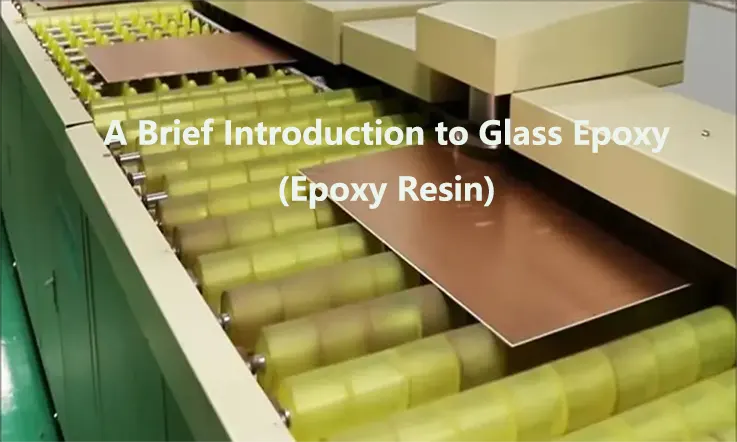
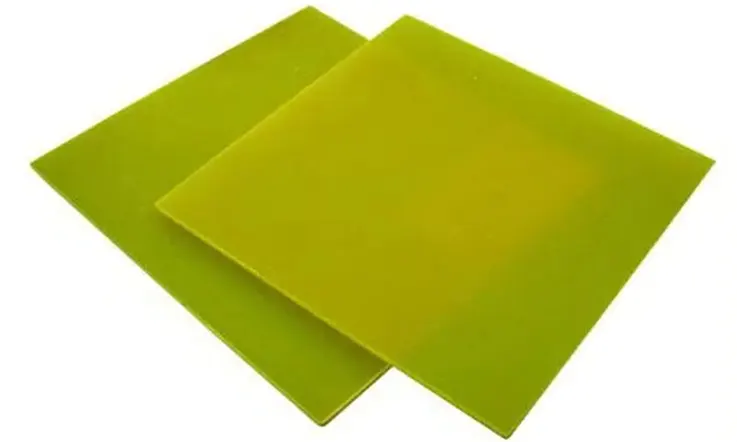
The most widely used substrate material for PCBs is fiberglass epoxy resin, which features copper foil adhered to one or both sides. In cost-effective electronic devices, PCBs made of paper-reinforced epoxy resins with bonded copper foil are commonly employed.
Copper is utilized in the construction of printed circuits, either by coating or etching it away from the substrate surface to achieve the desired circuitry pattern.
To safeguard copper circuits from oxidation, they are coated with a layer of tin-lead. The contact fingers undergo a series of coatings, starting with tin-lead, followed by nickel, and ultimately gold, ensuring optimal conductivity.
When it comes to components, capacitors, resistors, transistors, electronic circuit chips, diodes, and other electronic elements are procured for integration into the PCB assembly.
Camera Materials
Glass is extensively utilized as a lens element material due to its optical properties and scratch resistance. Additional materials employed in lens construction include quartz glass, fluorite, acrylic (Plexiglass), germanium, and meteoritic glass.
Plastics offer the advantage of producing highly aspherical lens elements, a task that is challenging or unachievable with glass. However, plastics are generally limited to inexpensive lenses due to their susceptibility to scratches.
Molded plastic optics have historically been utilized in low-cost disposable cameras, which has garnered criticism from optical experts who prefer to use terms like “optical resin” to describe them.
In contemporary high-performance and expensive lenses, aspherical elements are frequently molded using plastics. Therefore, it is incorrect to assume that cameras incorporating plastic components are inherently of poor quality.
Features of CCTV Camera Circuit Board
CCTV PCBs are employed for their compact design and durable nature, offering distinct advantages over other types of PCBs. The key distinguishing features of CCTV PCBs include:
Video Output
The majority of PCB cameras offer a video feed through a 75-ohm composite output. However, alternative options are available as well. In certain cases, PCB cameras can transmit wireless signals using a basic power supply. USB and Firewire connectivity is typically available when a memory is connected to the camera circuit board, enabling convenient data transfer and storage options.
Sensitivity
The sensitivity of PCB cameras in low-light situations is commonly quantified in lux units. Monochrome PCB cameras exhibit higher sensitivity compared to their color counterparts, and certain monochrome cameras are capable of capturing images even in conditions as dim as .0003 lux. This capability proves beneficial in the design of spy camera circuit boards. On the other hand, colored PCB cameras require more illumination to capture high-quality images. Premier color PCB cameras typically have a minimum lux level of .3 lux to ensure optimal performance.
Shutter Speed/Exposure
PCB cameras employ a sophisticated image sensor instead of a traditional viewfinder, providing a visual representation of the scene. These cameras utilize an electronic shutter mechanism to ensure that the image sensor captures a well-balanced image. In the case of pinhole cameras, a fixed exposure rate is predetermined due to the inability to adjust the aperture. PCB cameras commonly incorporate auto-exposure functionality, allowing for automatic adjustment of exposure settings based on the prevailing lighting conditions.
Frame Rate
Camera PCBs typically operate at a frame rate of approximately 30 frames per second, which is the standard frame rate for television broadcasting. Due to the compact nature of PCB cameras and the trade-offs made to accommodate their small form factor, devices capable of recording at frame rates exceeding 100 frames per second are considered high speed. These higher frame rates are generally unnecessary for PCB cameras since they are not typically used for motion analysis or tracking. Therefore, the standard frame rate of 30 frames per second is typically more than sufficient for their intended applications.
Resolution
Compared to larger cameras, PCB cameras generally have lower resolution capabilities. An excellent resolution for PCB cameras is often around 700 TVL (Television Lines). However, even reasonably priced PCB cameras typically offer resolutions ranging from 380 to 480 TVL.
Testing and Quality Control for CCTV Camera Circuit Boards
Testing and quality control are critical steps in the manufacturing process of CCTV camera circuit boards. Here are some common testing and quality control procedures for CCTV camera circuit boards:
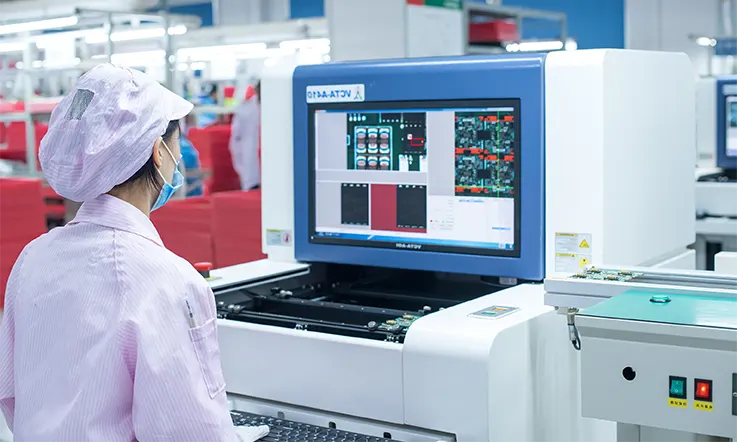
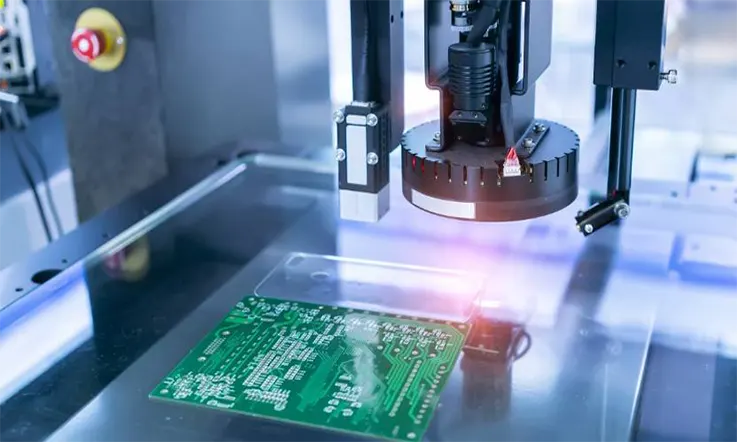
Electrical Testing:Electrical testing involves checking the functionality of the circuit board components, such as the image sensor, processor, memory, and power supply. This is typically done using automated testing equipment that can detect faults in the circuit board.
Image Quality Testing: Image quality testing involves assessing the quality of the images captured by the CCTV camera. This is typically done using a test chart or scene that can be used to evaluate the resolution, color accuracy, and other image quality parameters.
Environmental Testing: Environmental testing involves subjecting the CCTV camera to various environmental conditions, such as temperature, humidity, and vibration. This is done to ensure that the camera can operate reliably in different environments and conditions.
EMC/EMI Testing: EMC/EMI testing involves testing the CCTV camera circuit board for compliance with electromagnetic compatibility (EMC) and electromagnetic interference (EMI) standards. This is done to ensure that the camera can operate reliably in the presence of electromagnetic radiation and can avoid causing interference with other devices.
Reliability Testing: Reliability testing involves subjecting the CCTV camera to long-term use and testing to ensure that it can operate reliably over its expected lifespan. This is typically done using accelerated life testing methods that simulate the expected use conditions of the camera.
Quality Control:Quality control involves ensuring that the CCTV camera circuit board meets the required quality standards. This involves checking for defects, ensuring compliance with relevant regulations and standards, and verifying that the camera meets the required specifications.
By performing these testing and quality control procedures, manufacturers can ensure that the CCTV camera circuit board is of high quality, reliable, and meets the required performance and safety standards.
Considering Factors before Choosing A CCTV Camera Circuit Board
When making a decision about the appropriate CCTV PCB (Printed Circuit Board) for your surveillance system, careful consideration of several factors is crucial.
● Firstly, prioritize compatibility by selecting a CCTV camera PCB board specifically designed for your camera model.
● Additionally, assess the quality of the PCB, taking into account the materials used and adherence to manufacturing standards. Opting for a reliable and durable PCB is vital to ensure consistent and long-lasting performance.
● Furthermore, evaluate the supported features and functionality offered by the PCB, such as resolution, video signal processing, and supplementary capabilities like audio or motion detection.
● Lastly, consider the cost-effectiveness of the PCB and the availability of technical support from the manufacturer, as these elements contribute to a well-informed decision when choosing a CCTV camera PCB board that meets your surveillance requirements.
Troubleshooting Common Issues with CCTV Camera Circuit Boards
CCTV cameras can experience a range of issues with their circuit boards, which can affect their performance and reliability. Here are some common issues with CCTV camera circuit boards and possible troubleshooting solutions:
No Power: If the CCTV camera is not powering on, it may be due to a faulty power supply or a connection issue. Check the power supply and connections to ensure they are properly connected and functioning.
Poor Image Quality: Poor image quality may be due to a faulty image sensor, lens, or image processing circuitry. Check and replace the faulty component as needed.
No Signal: If the CCTV camera is not transmitting a signal, it may be due to a faulty video encoder or a connection issue. Check the video encoder and connections to ensure they are properly connected and functioning.
Overheating: Overheating can cause the CCTV camera to malfunction or shut down. Ensure that the thermal management measures on the circuit board are functioning correctly.
Intermittent Issues: If the CCTV camera is experiencing intermittent issues, it may be due to a loose connection or a faulty component. Check and replace the faulty component or tighten any loose connections as needed.
Noise or Distortion: Noise or distortion in the image signal may be due to electromagnetic interference (EMI) or a faulty component. Check for EMI sources, such as nearby electrical equipment, and replace any faulty components.
Camera Movement Issues: If the CCTV camera is not moving as intended, it may be due to a faulty pan-tilt-zoom (PTZ) circuitry or motor. Check and replace the faulty component as needed.
Network Connectivity Issues: If the CCTV camera is not connecting to the network, it may be due to a faulty network interface or configuration issue. Check and replace the faulty component or reconfigure the network settings as needed.
In general, troubleshooting CCTV camera circuit board issues involves identifying the faulty component or connection and replacing or repairing it as needed. It is also important to ensure that the CCTV camera is properly maintained and that the circuit board is protected from environmental factors that can affect its performance.
Future Developments in CCTV Camera Circuit Board Technology
The field of CCTV camera circuit board technology is constantly evolving, with new developments and innovations being introduced to improve the performance and functionality of CCTV cameras. Here are some potential future developments in CCTV camera circuit board technology:
Artificial Intelligence (AI) Integration: AI technology is being increasingly integrated into CCTV cameras, allowing for advanced features such as facial recognition, object detection, and behavior analysis.
Edge Computing: Edge computing involves processing data at the edge of the network, closer to the source of the data. This technology can improve the performance and reliability of CCTV cameras by enabling faster processing and reducing network latency.
Higher Resolution Image Sensors: Higher resolution image sensors can provide greater detail and clarity in CCTV camera images, allowing for better identification and analysis of objects and people.
Enhanced Low-Light Performance: Low-light performance is a critical factor for CCTV cameras, particularly those used in outdoor or low-light environments. Future developments in image sensor technology and image processing circuitry may improve low-light performance.
Increased Integration with IoT Devices: CCTV cameras may become increasingly integrated with other IoT devices, such as smart home devices, to provide enhanced functionality and convenience.
Wireless Power Transmission: Wireless power transmission technology may eliminate the need for power cables and allow for more flexible placement of CCTV cameras.
Enhanced Security Features: Future developments in security features, such as encryption and authentication, may improve the security of CCTV camera systems.
Overall, future developments in CCTV camera circuit board technology are likely to focus on improving performance, functionality, and convenience while ensuring the security and reliability of the camera systems.
Conclusion and Final Thoughts
In conclusion, CCTV camera circuit board technology plays a critical role in the performance, functionality, and reliability of CCTV camera systems. The design and manufacturing of CCTV camera circuit boards require careful consideration of various factors, including image sensor selection, power supply, signal integrity, thermal management, and quality control. Troubleshooting and testing procedures are also critical to ensure that the CCTV camera circuit board functions as intended.
Developments in AI integration, edge computing, higher resolution image sensors, low-light performance, IoT integration, wireless power transmission, and enhanced security features are likely to shape the evolution of CCTV camera circuit board technology.
We hope that this information has been informative and helpful in understanding the importance of CCTV camera circuit board technology and the potential future developments in this field. As technology continues to evolve, it is important to stay informed and up-to-date on the latest trends and innovations in CCTV camera circuit board technology.
Mixed PCB assembly has become increasingly popular in the electronics industry due to its ability to provide a balance between functionality, reliability, and cost-effectiveness. The combination of SMT and THT components allows for the miniaturization of components while still maintaining the durability and reliability of through-hole components. This makes mixed PCB assembly ideal for a wide range of applications, including aerospace and defense, medical devices, automotive electronics, industrial equipment, and consumer electronics.
Mixed PCB Assembly Services
Printed Circuit Board (PCB) assemblies comprise various components and parts, mounted using either Surface Mount Technology (SMT) or Through Hole Technology (THT). The choice of the assembly method depends on factors such as component quantity and location. However, when time constraints or the need for rapid PCB assembly services arise, mixed model PCB assembly services are the optimal solution.
Mixed model assembly services integrate the advantages of both THT and SMT technologies. The primary advantage of mixed model PCB assembly services is the potential for reduced costs, shorter assembly time, and increased productivity. The mixed technology PCB assembly process is suitable for both small and large scale production. Our company, JarnisTech, boasts a long-standing reputation of delivering top-quality mixed model assembly services at competitive prices.
Benefits of Mixed Model PCB Assembly
Mixed model PCB assembly is a relatively new technique in the PCB manufacturing industry that combines the advantages of manual and automatic assembly methods. This hybrid approach uses automatic machinery for placing Surface Mount Technology (SMT) components on the PCB while employing manual machinery for larger parts, such as through-hole components or heat sinks, to achieve flexibility, precision, and good quality.
One of the primary benefits of mixed model PCB assembly is its cost-effectiveness in PCB manufacturing. By leveraging automation to expedite labor-intensive processes and using human labor to execute necessary tasks that machines cannot handle, businesses can meet their financial goals while delivering products manufactured efficiently and at affordable prices, keeping customers satisfied.
Moreover, mixed model assembly processes can yield higher quality PCBs and increase production speed. They can also reduce labor costs by eliminating hand-soldering in favor of automated soldering, which requires fewer workers for the same amount of work.
Mixed model PCB assembly is an excellent option for manufacturing PCBs with complex routing and interconnections. Many electronics OEMs are now embracing this method to enhance product performance while reducing overall manufacturing costs.
Differences Between Surface Mount Technology and Through Hole Technology in PCB Assembly
In the PCB assembly process, Surface Mount Technology (SMT) components are welded onto the board via a fully automated reflow machine, whereas Through Hole Technology (THT) assembly requires pre-drilled holes on the board and the use of leads to connect components and circuits. Wave-soldering and hand-soldering are the conventional methods of THT assembly.
PCBs with SMT components can be reflow or wave-soldered, whereas those with only THT components can only be wave-soldered. Thus, when both SMT and THT components are used on a board, there are more assembly steps involved, with SMT typically being performed first, followed by THT assembly.
Advanced and precision machines enable high-accuracy and fast-speed SMT assembly, with small-sized and thin components placed precisely, making it suitable for high-density and small-sized PCB applications. THT, on the other hand, is preferred for components with larger sizes and higher reliability requirements due to its stronger connections.
Overall, SMT assembly features high productivity, precision, lightweight, and lower cost, making it more economical and faster for mass production. THT assemblies, on the other hand, are typically highly reliable, have high-stress tolerance, are heavier, and more expensive, making them a preferred option for small quantity PCBs and prototyping fabrication.
Mixed PCB Assembly Process
The mixed PCB assembly process involves the combination of surface mount technology (SMT) and through-hole technology (THT) components on a printed circuit board (PCB). Here are the basic steps of the mixed PCB assembly process:
PCB design: The first step is to design the PCB layout, including the placement of SMT and THT components, as well as the routing of electrical connections.
SMT component placement: Surface mount components such as resistors, capacitors, and integrated circuits are placed on the PCB using pick-and-place machines. The machines use a vacuum to pick up the components from reels or trays and place them accurately on the PCB.
SMT soldering: After the SMT components are placed on the PCB, the board is passed through a reflow oven that melts the solder paste and creates a permanent bond between the components and the PCB.
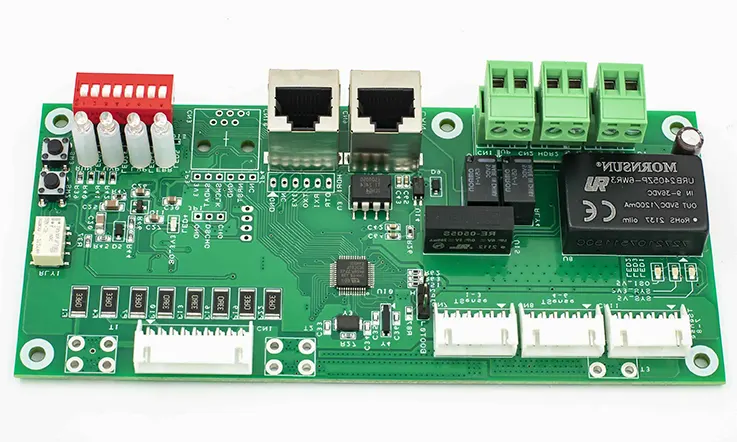
THT component insertion: Through-hole components such as connectors, switches, and transformers are inserted into pre-drilled holes on the PCB. The leads of the components are then bent and soldered to the opposite side of the board using a wave soldering machine.
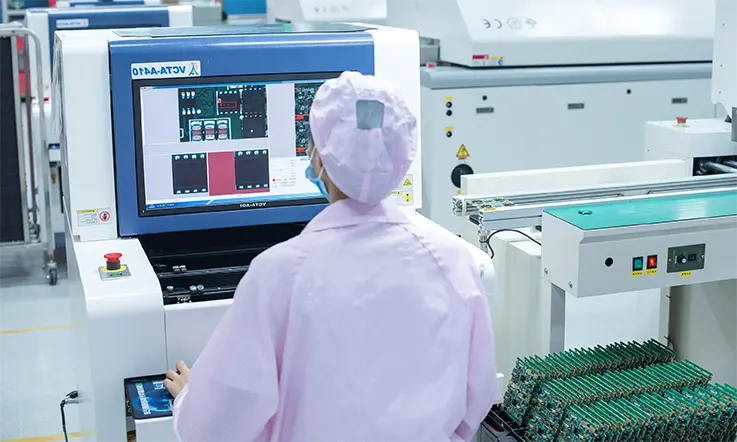
Inspection and testing: After the mixed PCB assembly is complete, the board is inspected for defects and tested for functionality. This includes visual inspection, automated optical inspection (AOI), and functional testing.
Final assembly: Once the PCB passes inspection and testing, it is ready for final assembly into the end product. This may involve additional assembly steps such as enclosure assembly, cable harnessing, and testing.
The mixed PCB assembly process requires specialized equipment and expertise to ensure the proper placement and soldering of both SMT and THT components. It also requires careful consideration of the PCB design to ensure that the components are placed in a way that optimizes the functionality and reliability of the end product.
Choose the Reliable Mixed (hybrid) PCB AssemblyFactory in China: JarnisTech
At JarnisTech, we are dedicated to providing our clients across diverse industries with highly intricate mixed PCB assemblies. Our mixed technology PCB assembly services are tailored to cater to applications that require both surface mount and through-hole components. We specialize in manufacturing double-layer SMT mixed technology PCBs, ensuring that our clients receive highly efficient and reliable products.
Our Mixed Technology Capabilities
We utilize independent automated mixed technology assembly lines for manufacturing PCBs. This enables us to offer our clients complete PCB assemblies and prototypes within short turnaround times. Our customers can take advantage of our broad range of capabilities, which include:
● Chassis wiring and assembly.
● Wave and soldering machines.
● Automated laser sighting and flux dispensing.
● State-of-the-art automated assembly equipment.
● Automated aqueous cleaning at multiple stages of production.
● Fast production of densely populated mixed technology assemblies.
● Fast placement machines for ultra-small and ultra-thin chip components.
Our advanced facilities and equipment enable us to deliver high-quality products and services to our clients, ensuring that we consistently meet and exceed their expectations.
Other Equipment Used
At JarnisTech, we utilize state-of-the-art equipment to deliver high-performance and top-quality PCBs. Our commitment to excellence is reflected in the use of the following best-in-class equipment, which has helped us establish our reputation as a leading provider of double-sided SMT and mixed technology services in China:
● Rheometers.
● Reflow ovens.
● Environment chambers.
● Stencil printing machines.
● Acoustic scanning microscopes.
● Automatic dispensing machines.
Testing and Inspection Procedures at JarnisTech
At JarnisTech, we adhere to stringent testing and inspection procedures to ensure the high accuracy of our circuit boards:
Automated Optical Inspection
Our advanced automated optical inspection (AOI) equipment is designed to provide comprehensive fault coverage, enabling us to thoroughly inspect various components of printed circuit boards (PCBs). This includes optical placement, orientation, value, color differences, short circuits, dry joints, and other potential defects. Our AOI system is highly effective in inspecting mixed technology PCBs, as well as surface-mount technology (SMT), through-hole, and ball grid array (BGA) assemblies. By utilizing this cutting-edge technology, we can ensure that our customers receive high-quality and reliable products.
X-Ray Testing
At our facility, we employ a cutting-edge automated X-ray system to conduct comprehensive inspections of printed circuit boards (PCBs). This advanced testing method is crucial in identifying any hidden faults or defects that may not be visible during traditional visual inspections. By utilizing this state-of-the-art technology, we can ensure the highest quality of PCB components and eliminate any manufacturing defects in the early stages of production. This proactive approach not only helps us avoid potential issues down the line but also saves our customers from costly performance problems. Our commitment to utilizing the latest technologies and techniques is a testament to our dedication to providing top-quality products and services.
Functional Testing
This process is conducted to verify the optimal operation of the printed circuit board (PCB) assembly.
Standards Conformance
At our organization, we prioritize compliance with UL safety standards for printed circuit boards (PCBs). To ensure that our PCBs meet these rigorous safety requirements, we adhere to all relevant industry standards and protocols.
● IPC-CC-830B.
● SBA certified.
● IPC-WHMA-A-610.
● All assemblies built to IPC-A-610-D & ANSI/J-STD-001.
JarnisTech is proud to offer comprehensive RoHS-compliant printed circuit board (PCB) assembly and design services. If you are interested in learning more about our mixed technology PCB assembly services or any of our other PCB assembly offerings, please do not hesitate to contact us. Our team can be reached by phone at 0086-0755-23034656 or by email at [email protected]. We strive to provide timely and informative responses, and you can expect to hear back from us within one business day.
The Applications of Mixed Assembly Technology
Mixed PCB assembly refers to the process of assembling printed circuit boards (PCBs) with a combination of surface mount technology (SMT) and through-hole technology (THT) components. Here are some of the applications of mixed PCB assembly:
Aerospace and defense: Mixed PCB assembly is commonly used in aerospace and defense systems, where the high reliability and durability of through-hole components are required along with the high density and miniaturization of surface mount components.
Medical devices: Medical devices require a combination of through-hole and surface mount components for their complex functionality and safety-critical nature. Mixed PCB assembly is used to ensure the reliability and accuracy of medical devices.
Automotive electronics: Mixed PCB assembly is used in automotive electronics for the combination of high-power through-hole components and miniaturized surface mount components, ensuring the reliability and performance of automotive systems.
Industrial equipment: Industrial equipment requires a combination of through-hole and surface mount components for their ruggedness and durability. Mixed PCB assembly is used in industrial equipment to ensure the reliability and stability of their operation.
Consumer electronics: Mixed PCB assembly is used in consumer electronics such as smartphones, tablets, and laptops, where the miniaturization of components is essential for their compact size and portability, while the durability of through-hole components ensures their long-term reliability.
Overall, mixed PCB assembly is a versatile and widely used technology that enables the combination of various types of electronic components, providing a balance between performance, reliability, and cost-effectiveness.
Future Directions for Mixed PCB Assembly Technology
Mixed PCB assembly technology has come a long way since its inception, and it is likely to continue evolving to meet the changing needs of the electronics industry. Here are some possible future directions for mixed PCB assembly technology:
1. Miniaturization: As the demand for smaller and more compact electronic devices continues to grow, mixed PCB assembly technology will need to keep up with the trend towards miniaturization. This may involve the development of even smaller and more precise pick-and-place machines, as well as the use of more advanced materials and processes to reduce the size of components.
2. Automation: The use of automation in mixed PCB assembly is likely to increase in the future, as manufacturers seek to improve productivity and reduce costs. This may involve the use of more advanced robotics and artificial intelligence to automate the assembly process and improve the accuracy and consistency of component placement and soldering.
3. Integration with other technologies: Mixed PCB assembly technology is likely to be integrated with other emerging technologies such as 3D printing and flexible electronics. This may enable the creation of more complex and innovative electronic devices that are not limited by the constraints of traditional PCB assembly methods.
4. Sustainability: The electronics industry is under increasing pressure to reduce its environmental impact, and mixed PCB assembly technology is no exception. In the future, manufacturers may need to adopt more sustainable practices in the assembly process, such as the use of eco-friendly materials and the implementation of more efficient and energy-saving processes.
5. Improved inspection and testing: The inspection and testing of mixed PCB assemblies are critical to ensuring the reliability and functionality of electronic devices. In the future, manufacturers may develop more advanced inspection and testing methods, such as the use of artificial intelligence and machine learning algorithms to detect defects and improve the quality of the final product.
In conclusion, mixed PCB assembly technology is likely to continue evolving to meet the changing needs of the electronics industry. Whether it involves miniaturization, automation, integration with other technologies, sustainability, or improved inspection and testing, the future of mixed PCB assembly looks promising and exciting.
In Summary
Mixed PCB assembly technology has become an essential part of modern electronics manufacturing, enabling the combination of surface mount technology (SMT) and through-hole technology (THT) components on a single printed circuit board (PCB). This versatile and widely used technology offers several advantages over traditional assembly methods, including improved reliability and durability, increased flexibility and functionality, and cost-effectiveness.
Mixed PCB assembly is used in a wide range of applications, including aerospace and defense, medical devices, automotive electronics, industrial equipment, and consumer electronics. The process involves several steps, including PCB design, SMT component placement, SMT soldering, THT component insertion, inspection and testing, and final assembly. Each step requires specialized equipment and expertise to ensure the proper placement and soldering of both SMT and THT components.
For the past two decades, JarnisTech has been providing exceptional services to our clients, consistently exceeding their expectations. We remain committed to offering affordable mixed model printed circuit board (PCB) assembly services while maintaining the highest standards of quality. Our team takes great care to ensure that all PCBs are assembled using only the finest materials and craftsmanship. We take great pride in providing reliable PCB assembly services and are dedicated to serving our customers in a timely and efficient manner. If you are searching for a trustworthy and cost-effective mixed model assembly service, do not hesitate to reach out to us today.
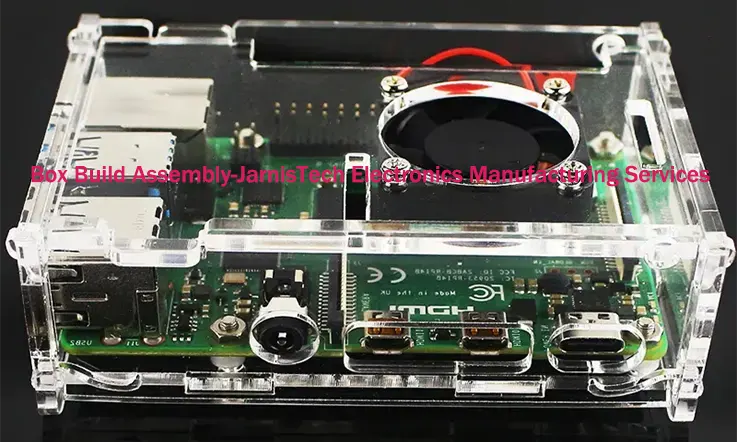
JarnisTech boasts decades of specialized expertise in delivering Box Build Assembly services, ranging from straightforward enclosures to comprehensive sub-assemblies. Our extensive PCB Box Build offerings encompass product assembly, sub-level product assembly, system-level assembly, complete system integration, product testing, packaging and labeling, and more. Additionally, we excel at providing a high mix for low volume PCB box builds or a low mix for high-volume box build assemblies.
We also provide box build turnkey assembly and bespoke assembly services, including cable and harness assembly and electro-mechanical assembly. Our exceptional team of engineers and skilled technicians meticulously constructs your PCB box builds in accordance with custom design specifications while ensuring all safety measures are in place. Our PCB box build services seamlessly integrate all components, PCBs, and any interconnecting wire harness assembly with the utmost precision. Possessing expertise in all three areas, JarnisTech occupies a distinctive position, offering superior box build assembly services.
Essential Components for a Successful Box Build Assembly Project
In order to ensure the success of your box build assembly project, it’s important to have a clear understanding of the electromechanical assembly process involved in creating a functional electronic device. Once you have a grasp of this process, you can provide the necessary components to your chosen electronic contract manufacturing company. This includes all the relevant specifications, drawings, and bill of materials needed to complete the project. Effective communication throughout the assembly process is also crucial for ensuring that the end result meets your expectations.
Bill of Materials (BOM)
The bill of materials (BOM) is a critical document that serves as the formula for building the electronic device. It contains a comprehensive list of all the components required for the assembly of the final electronic product. Each item on the BOM includes essential details, such as part numbers, manufacturer name, quantity, reference numbers, item description, sourcing information, and more. The BOM is the most crucial element of a successful box build assembly project, as it provides the necessary information to ensure that all components are correctly sourced and assembled. By having an accurate and detailed BOM, the electronic contract manufacturing company can ensure that the finished product meets the customer’s specifications and expectations.
Assembly Design Files
The assembly design information for an electronic device can be provided to the electronic contract manufacturing company in the form of printed or electronic files. A 3-D CAD model is the preferred method for conveying this information, as it provides a comprehensive view of the assembly design. A reliable electronic contract manufacturing company can use this information to adapt the design into a functional, manufacturable product. By utilizing a 3-D CAD model, the electronic contract manufacturer can identify any potential issues in the design and provide suggestions for improving manufacturability and efficiency. Therefore, providing accurate and detailed design information is key to ensuring a successful box build assembly project.
Working Prototype
Presenting a working prototype to the electronic contract manufacturing company is an effective way to communicate the product design for manufacturing and production. By analyzing the working prototype, the electronic contract manufacturing company can suggest improvements to make the design more efficient and cost-effective to produce. The ability to identify potential design issues during the prototype stage allows for adjustments to be made before production, reducing the risk of costly errors and delays. Therefore, a working prototype is a valuable tool for both the customer and the electronic contract manufacturing company to ensure a successful product launch.
Test Plan
As part of the box build assembly process, it’s essential to test the functionality and performance of the product’s components. To ensure customer satisfaction, it’s important to provide detailed test cases outlining how the product should be tested before acceptance. These test cases may include a range of tests, such as on-board and off-board programming, functional testing of client and manufacturer-designed features, visual inspections, 3D automated optical inspections, factory acceptance testing, and more. A comprehensive and detailed test plan will ensure optimal results from the electronic contract manufacturer, leading to a successful box build assembly project.
What Is A Box Build Assembly?
Before proceeding with a box build assembly project, it’s crucial to have a clear understanding of its purpose and function. Box builds involve the integration of printed circuit boards (PCBs) and custom cable components to create a complete system, ranging from simple single-PCB enclosures to complex electromechanical systems that undergo multiple subassembly steps.
Box builds typically include components such as modular connectors, custom cable assemblies, batteries, enclosures (either custom or off-the-shelf), heat sink attachments with thermal interface materials, brackets, standoffs, and fans. The capabilities and service levels offered by different manufacturers vary, and some of these components may need to be procured from vendors or partners while others can be purchased off-the-shelf.
To ensure a successful box build assembly project, it’s essential for the designer to work closely with the electronic contract manufacturing company to determine which components should be procured and which can be custom-built. This collaboration is critical for ensuring that the finished product meets the customer’s specifications and performs reliably.
Types of Box Builds
The materials and components utilized in various box build assemblies can exhibit significant variations depending on the specific project requirements. While some box builds may necessitate minimal assembly, others may require a high degree of technical proficiency to accomplish. Regardless of the complexity level, box build assemblies can be broadly categorized into two types: simple and complex box builds.
Simple Box Build Assembly
Box build assemblies that fall under the category of simple box builds typically entail the installation of a terminal block or a printed circuit board (PCB) into an enclosure or box with minimal or no involvement of intricate procedures.
Simple Box Build Assembly
A box build assembly categorized as complex typically involves the incorporation of additional components and procedures, such as the integration of a printed circuit board (PCB) with a user interface display, building fully integrated systems, or other intricate subassemblies.
At JarnisTech, we provide comprehensive solutions for both simple and complex box build assemblies. Our expertise enables us to cater to the specific requirements of your interconnective cable project, ensuring optimal outcomes. Regardless of the complexity level, you can rely on JarnisTech to deliver high-quality results.
To summarize, the success of both complex and simple box build assemblies hinges on the meticulous gathering of project requirements. Ensuring that the electronics manufacturer is equipped with all necessary information during the planning phase can lead to faster, higher quality, and safer product outcomes. At JarnisTech, we are committed to tailoring our box build processes to meet the unique objectives of each customer. Our operations and processes are underpinned by lean manufacturing techniques, enabling us to deliver the finest electronic box assemblies in China.
JarnisTech Box Build Assembly Process
Box build assembly encompasses all aspects of electronic systems manufacturing, from ideation to execution. It involves designing the enclosure, installing circuit boards, cables, connectors, terminal blocks, controllers, and even entire electrical or pneumatic systems.
At JarnisTech, we have the expertise to deliver precise box build assembly solutions that meet the specific requirements of our clients. However, achieving this level of precision requires clear and effective communication from our clients regarding their end goals. This information is conveyed through a bill of materials that distinguishes the components that are truly necessary.
To ensure that your bill of materials is accurate for your order, we have published a recent blog post that covers JarnisTech Group’s entire box build and panel assembly process. This resource will help you prepare and provide us with the information we need to deliver the best possible results for your project.
JarnisTech Assembly’s Box Build Assembly Services
Our company offers a comprehensive range of box build assembly services, including:
1. Product assembly: We can assemble individual components into finished products according to your specifications.
2. Sub-level product assembly: Our sub-level product assembly services involve the integration of multiple subassemblies into a larger product.
3. System level assembly: We can assemble entire systems by integrating multiple subassemblies and components.
4. Complete product testing: Our testing services include functional testing, environmental testing, and burn-in testing to ensure that the finished product meets your requirements.
5. Software loading: We can load software onto your products as part of the assembly process.
6. Complete system integration: Our system integration services involve the integration of multiple subsystems into a larger system.
7. Packaging and labeling: We can package and label your products according to your specifications, including barcoding.
8. Direct shipment: We can ship your finished products directly to your customers, saving you time and money.
At JarnisTech, we are committed to delivering high-quality box build assembly services that meet your exact requirements. Our expertise and experience enable us to provide end-to-end solutions that streamline your product development process and ensure that your products are delivered on time and on budget.
JarnisTech: Competitive Advantages of Box Build Assembly
Our company places a strong emphasis on client collaboration to achieve high-quality results in box build assembly. We have a proven track record of delivering exceptional results, as demonstrated by the following points:
1. ISO 9001:2015 certification: Our facilities are certified to the internationally recognized quality management standard, which ensures that our processes and procedures meet the highest standards.
2. Vast resource pool of testing equipment and automated tools: We have a wide range of testing equipment and automated tools at our disposal, enabling us to deliver accurate and reliable results.
3. Strict adherence to quality procedures: We follow strict quality procedures to ensure that our products meet or exceed the required standards.
4. Experienced IPC trained production assembly staff: Our production assembly staff are experienced and trained to the highest standards set by the IPC.
5. Well-developed global and domestic supplier networks for sourcing custom manufactured components: We have established relationships with global and domestic suppliers to source custom manufactured components that meet our clients’ specifications.
6. Cost-effective assembly services: We provide cost-effective box build assembly services without compromising on quality.
7. Competence in assembling box builds for a variety of complex applications and equipment protection levels: Our expertise enables us to assemble box builds for a range of complex applications and equipment protection levels.
8. Technical support services: We provide technical support services to our clients to ensure that their products meet all necessary requirements.
With our company’s box build assembly services, you can expect high-quality results at cost-effective prices. Contact us today via phone at 0086-0755-23034656 or email us at [email protected] to learn more.
Benefits of Box Build PCB
Box build PCB services can provide significant advantages for businesses seeking to streamline their operations. In-house assembly requires a dedicated staff, specialized tools, and additional production space. Outsourcing PCB box build assembly from JarnisTech, on the other hand, offers a range of benefits, including cost-effective assembly and higher quality control standards.
Here are some additional benefits of box build PCB services for organizations:
Expertise and experience: JarnisTech has the expertise and experience to deliver high-quality box build PCB assemblies that meet the specific requirements of our clients. Our team of professionals is trained to the highest industry standards and can provide end-to-end solutions that streamline the product development process.
Cost savings: Outsourcing box build PCB assembly can result in significant cost savings for businesses. By eliminating the need for specialized tools, additional production space, and a dedicated staff, businesses can save money on overhead costs and focus on their core competencies.
Quality control: JarnisTech follows strict quality control procedures to ensure that every box build PCB assembly meets or exceeds industry standards. Our advanced testing equipment and automated tools ensure that every product is thoroughly tested before it is delivered to our clients.
Faster turnaround times: Outsourcing box build PCB assembly can result in faster turnaround times for businesses. JarnisTech has the resources and expertise to complete projects quickly and efficiently, delivering finished products on time and on budget.
Scalability: Outsourcing box build PCB assembly allows businesses to scale their operations up or down as needed. JarnisTech can accommodate large-scale projects or small-scale runs, depending on our clients’ needs.
In summary, outsourcing box build PCB assembly from JarnisTech can provide businesses with a range of benefits, including expertise and experience, cost savings, quality control, faster turnaround times, and scalability.
JarnisTech: Box Build Assembly Capabilities
JarnisTech offers tailored PCB box build assembly services for clients seeking high-quality, efficient, and cost-effective solutions. Our team works diligently to provide immediate solutions related to PCB box build assembly services, using only the highest quality components.
Comprehensive designs for box build PCBs provide flexibility in PCB manufacturing, and we ensure that our services are flexible enough to meet our clients’ unique needs. With years of experience in PCB manufacturing, we have a complete understanding of creating effective box build PCB services that meet our clients’ expectations. At JarnisTech, we never compromise on the quality of the box build PCB.
Our advanced testing mechanisms ensure that every Printed Circuit Board box build meets the highest quality standards. During testing, we perform all necessary repairs to ensure the highest quality PCB box build.
JarnisTech compiles all crucial components for the PCB box build with proper system integration and completes all necessary tests for higher PCB box build manufacturing. Our team is committed to ensuring that every aspect of the box build assembly process is carefully managed and executed to deliver the best possible result.
Therefore JarnisTech provides tailored PCB box build assembly services that are efficient, cost-effective, and of the highest quality. With our advanced testing mechanisms, flexible manufacturing processes, and experienced team, we are committed to delivering exceptional results for our clients.
Final Thought
JarnisTech is a leading provider of high-quality box build integrated assemblies. Our team of highly skilled and experienced manufacturing specialists is dedicated to delivering custom box build assemblies that go beyond the limits of standard Printed Circuit Board Assemblies (PCBA).
We specialize in offering flexible and responsible production of custom box build assemblies that meet the unique needs of our clients. Our team is committed to delivering the highest quality products that exceed our clients’ expectations.
If you are looking to partner with a reliable and experienced provider of box build integrated assemblies, JarnisTech is the ideal choice. Please feel free to contact us to learn more about our services and how we can help you achieve your production goals.
Selecting the ideal drone controller board to fulfill all of your requirements can be a challenging undertaking due to the vast array of options available. Each controller board exhibits its own advantages and limitations, compounding the difficulty of choosing the right one.
Thanks to technological progress, drone controller boards have experienced significant advancements in the last decade. Manufacturers have integrated advanced micro-controllers capable of providing reliable and potent drone performance.
Compelling technological advancements have been made since the days of the KK2 boards. The prior KK2 controller board and its subsequent models were more substantial and had more processing ability compared to their contemporary counterparts — smaller in size yet equally potent.
Numerous factors must be considered when deciding on a drone controller board, therefore this guide aims to assist you in selecting the appropriate controller board that best suits your needs.
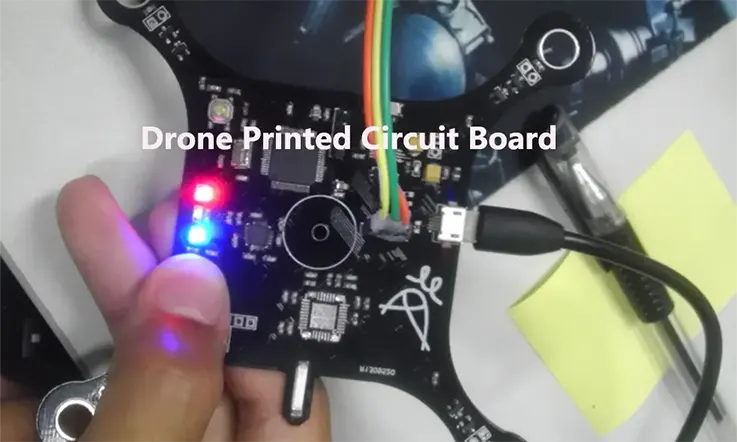
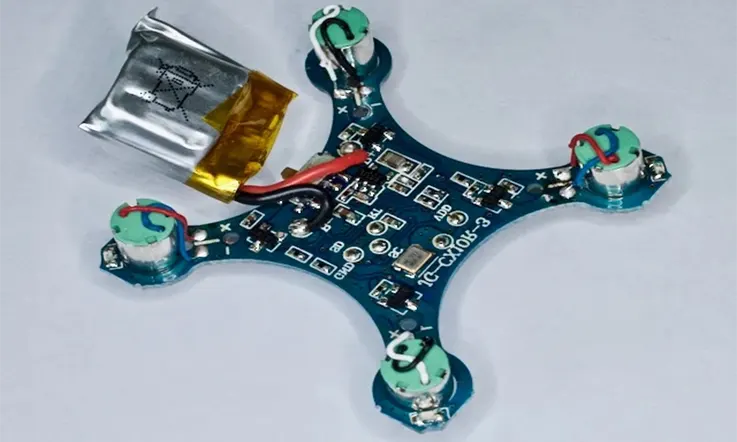
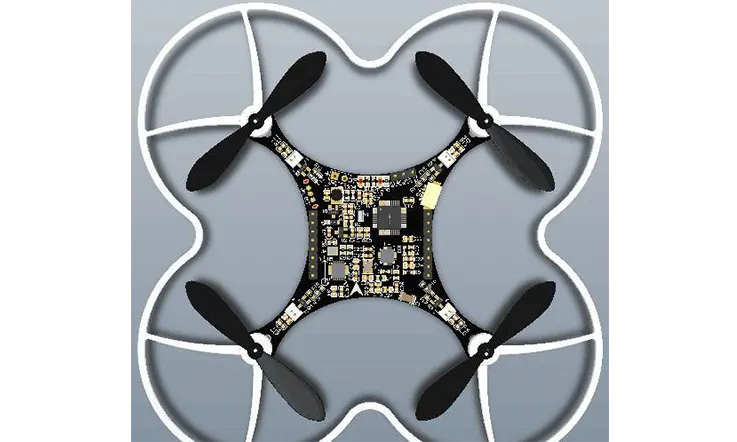
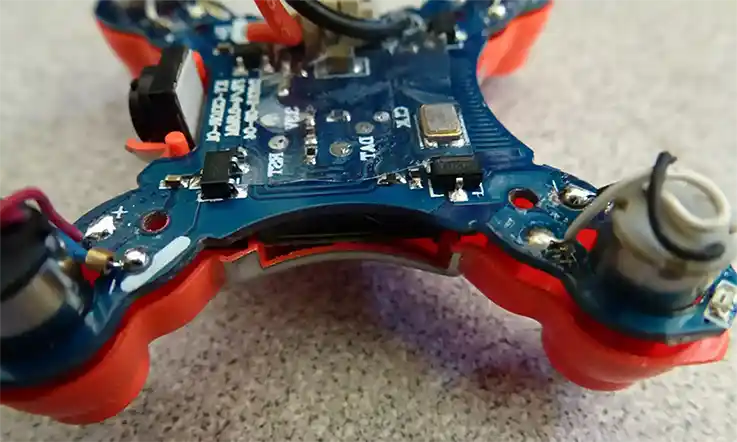
What is Drone PCB?
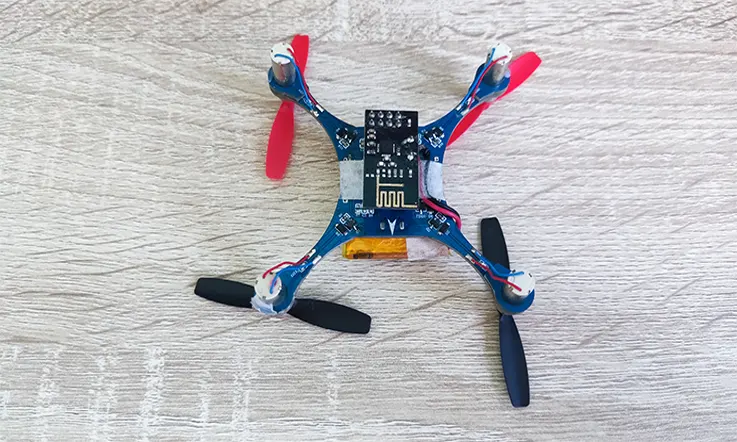
A drone PCB refers to a specific type of printed circuit board used in drone technology primarily responsible for powering the different parts of the drone during operation. This circuit board has enabled engineers and drone manufacturers to create compact and precise connections between electrical components.
Previously, wires were the primary means of connecting various drone parts, but the use of copper and heavy solder joints in drone PCBs has significantly increased drone efficiency. There are several versatile types of drone PCBs, each with unique features and functions, particularly as voltage controllers on drone boards.
Drone PCBs distribute voltage throughout the circuit, providing clean power for excellent performance. They come in various sizes and layouts, making it easier for users to select the right size or design suitable for their drone.
Drone PCBs have a higher voltage and current capacity than other types of printed circuit boards, and they play a vital role in controlling the RPM of the motors in the input circuit. Overall, drone PCBs are essential components in achieving optimal drone functionality.
What are the Features of Drone PCB?
A drone board is equipped with a suite of sensors that enable it to detect both the movements of the device itself as well as any commands received from the operator. Utilizing this information, the board is able to precisely modulate the speed and orientation of the drone’s propulsion systems to effect the desired motion. These capabilities represent the primary functions of a drone board.
● Firmware: The ability to install various firmware on drone boards provides a means to customize and optimize their functionality for specific tasks and applications. For example, iNav firmware is designed with GPS functionality in mind, while the KISS firmware is well suited for racing purposes. Further information about the diverse range of firmware options available for drone boards can be found in section four of this guide, which offers an in-depth examination of their features and capabilities.
● Processor: The drone board processor is commonly referred to as a microcontroller unit (MCU), which serves the important function of storing firmware code and performing complex calculations. Based on their respective processing power and memory capacity, five distinct types of drone board processors can be identified: F1, F3, F4, F7, and H7.
● UART: The acronym UART denotes Universal Asynchronous Receiver/Transmitter, which represents a hardware-based serial interface for enabling communication between a drone board and external components, such as Telemetry modules. While having multiple UART ports is beneficial, the presence of such ports on a drone board is contingent upon the board’s particular design and architecture.
● Layout: The layout of a drone board includes arrangements of solder pads which are a critical element in its design. While some may overlook their importance, boards with pads situated on the edges of the board typically deliver superior performance compared to those that feature all pads clustered in a single location.
● BlackBox: To facilitate the optimization and diagnostic assessment of your drone, the use of a BlackBox is essential.
Types of Drone PCB
Drone Power Production Board
A printed circuit board (PCB) referred to as a drone electric supply board (PDB), is an essential component responsible for distributing electricity to the different parts of a drone. In the past, drone sections were connected using wires that resulted in large weights due to the copper and solder connection points in the wire.
PDBs come in various forms, but many have similar features. Initially, PDBs were constructed using heavy copper PCBs. However, engineers have integrated voltage regulators into PDBs as the need for precise voltage management of various components developed, ensuring dependable and clean power distribution.
This is particularly critical when connecting video devices as they are vulnerable to electrical noise from motors and electronic speed controllers (ESCs). By minimizing noise and providing a stable voltage supply, PDBs enable video devices and other drone components to function optimally and contribute to the overall performance of the drone.
Drone Controller Board
As previously mentioned, a drone controller board is a circuit board that comes in different sizes and controls the RPM of the motors in response to input signals. It procures user commands to fly and maintains the drone’s stability by controlling the speed of the motor.
The drone is commanded by a drone controller, which transmits instructions from a remote control. The flight controller board transmitters relay critical information, which the drone’s receiver receives.
Apart from the drone controller board, other types of drone circuit boards include tiny drone circuit boards, drone motherboards with remotes, and drone receiving boards with remotes, and the drone electrical distribution board or drone controlling board.
Each circuit board type provides unique functions that contribute to the overall drone function. By selecting the appropriate drone circuit board, users can ensure drone performance and maximize the drone’s capabilities for their specific needs.
Software for Drone PCB Controllers
● ArduPilot: ArduPilot is the latest and most advanced open-source flight controller software available for drones, offering a comprehensive range of features and unrivaled reliability. This software platform has the capability to manage a wide range of unmanned aerial vehicle (UAV) systems, including those utilized in helicopters, multi-rotors, aircraft, and even underwater naval vehicles like submarines. ArduPilot’s versatility and adaptability make it a highly sought-after software for drone enthusiasts who require a robust software platform capable of supporting a diverse range of applications and environments.
● PX4: Utilizing PX4 software for your drone offers a range of capabilities that have been lauded by experienced drone enthusiasts. It enables you to concentrate on enhancing your device without needing to engage in a complex development environment. This software platform provides a seamless and straightforward approach to optimizing your drone’s performance and functionality, freeing up your resources to focus on other areas of innovation and development.
● BetaFlight: BetaFlight is a popular drone control software utilized by both multi-rotor and fixed-wing drones, renowned for its cutting-edge features, high-performance capabilities, and top-notch customer support. It stands apart from other similar software platforms like Cleanflight and Baseflight due to its exceptional performance and innovative functionality. Moreover, BetaFlight is compatible with most drone controller circuit boards, and its utilization of the STM32F3 Processor is a feature that boosts its efficiency and practicality.
● LibrePilot: The LibrePilot software is a versatile program that facilitates the control and management of multi-copters and other unmanned aerial vehicles (UAVs). With a strong connection to the Open UAV project, the software platform strives to promote the advancement and evolution of both hardware and software technologies that are critical to industries such as robotics, drones, and automotive systems. Its overarching goal is to foster research, development, and innovation in these vital areas.
How to Program a Drone Flight Control Board ?
To program your drone flight control board, follow these simple steps:
● Connect Properly: Ensure that the receiver channels are appropriately linked to the corresponding channels.
● Software Installation: Download the preferred controller software and connect the controller to your laptop using a micro USB plug. Activate the power source of the receiver to enable connection with the transmitter.
● Drone Stabilization: Utilize the switches to program flight modes and other functions. Set the stabilisation mode breaker to either of the 3-way switches. Though you may also schedule in the transmitter menu, you can promptly verify the settings upon the transmitter screen.
● Keep it Level: Some programs enable users to visualize their drones’ alignment and distance and fine-tune them to ensure the optimal functioning of stabilization programming.
Materials Used to Make Drone PCB
A typical drone PCB is made up of several layers of materials that serve different functions. Here are some common materials used to make drone PCBs:
● Copper: used to create electrical conductivity between components and traces on the PCB.
● Solder Mask: a protective layer that is applied over copper traces to prevent oxidation, contamination and to insulate electrical conductivity.
● Silkscreen: a layer of white or colored ink used to label or identify different components or areas on the PCB.
● Gold or Silver Plating: used to improve electrical conductivity, to prevent corrosion or oxidation, or to enhance solderability.
● Adhesives: used to bond different layers of PCBs and components, typically an epoxy or acrylic based adhesive.
● Encapsulation or Coating: for components and the entire board, a protective layer such as conformal coating or potting is applied to provide environmental protection, insulation and to improve weather resistance.
These materials may vary depending on the type of drone PCB and specific design requirements.
Design Considerations for Drone PCB
Designing a PCB for a drone requires consideration of various factors to ensure optimal performance, reliability and safety. Here are some key PCB design considerations for drones:
● Size and shape: The size and shape of the PCB should be carefully designed to fit within the drone’s body and meet any other specific design requirements.
● Power Management: The PCB should be designed to effectively manage power consumption and distribution, to ensure stable and adequate power supply to all components on the board.
● Signal Integrity: Proper routing of signal traces on the PCB is essential to minimize interference and ensure signal integrity, especially for sensitive components such as sensors and control modules.
● Thermal Management: The PCB should be designed to dissipate heat effectively to prevent overheating and component damage.
● Weight: The PCB’s weight should be minimized to reduce the overall weight of the drone, which is critical for drone performance and flight time.
● Environmental Factors: The PCB should be designed to withstand environmental factors such as vibration, temperature, humidity, and potentially harsh weather.
● Electromagnetic Compatibility (EMC): EMC is important for avoiding interference with other electronics in the drone and achieving reliable operation.
● Testing and Validation: The final PCB design should be thoroughly tested and validated to ensure proper functionality, reliability, and safety before being integrated into the drone.
By taking these design considerations into account, designers can create effective and reliable PCBs for drones that meet specific design requirements.
Drone PCB Manufacturing Process
Here are the steps involved in drone printed circuit board (PCB) manufacturing:
Step 1: Cut and Prepare the Film
Cut a piece of film slightly larger than the circuit, as larger films are required for transparency. Avoid cutting to the same size as the circuit, allowing for more space to include the tape.
Step 2: Place the Cut Film onto the PCB
Put the cut film onto the PCB and use sticky tape to hold it down. Compress the space between the film and the PCB to avoid any air gaps.
Step 3: Mark the Solder Mask Points
Mark the areas where you do not need a solder mask, i.e., the points where you will solder the board. Since ultraviolet rays harden the paint, highlight where we will use solder. A permanent marker fails to block ultraviolet rays adequately. An alternative method is to design the paste points on the PCB and copy them to the cut board using an inkjet machine.
Step 4: Cut Another Film
After marking all the soldering points, remove the board and cut another film of identical measurements.
Step 5: Paste Solder
Apply some solder paste to the board using a stick. Place the cut film on top and attach it to the remaining frame board. Use a ruler to distribute the mask uniformly.
Step 6: Pair the Plugs Together
Put the labeled piece on the upper side and pair up all the plugs with those of the PCB.
Step 7: Dry in the Sun
Take it outdoors, where there are plenty of ultraviolet rays, and allow it to dry for roughly four to five minutes, depending on the depth of the paste. The deeper the paste, the longer it should be left to dry.
Step 8: Gently Remove Transparent Film
Gently remove the transparent film to avoid any damage.
Step 9: Clean the Surfaces
Clean the surfaces using a soft paper or cloth and alcohol to remove any dirt that may have accumulated.
Step 10: Scrape Off Hardened Solder Paste
Use a knife to scrape off any hardened solder paste.
Step 11: Apply Flux
Apply flux to the pad for a thorough cleaning. Please note that this step is not mandatory as soldering wires have undergone significant changes over time.
Step 12: Solder the Edge and Pads
Solder the edge and then use it on the pads.
Step 13: Buff with Sandpaper
Buff any rough edges with sandpaper, providing the mask with a lusterless look.
After completing these steps, the drone PCB is ready for use. Before use, solder all parts to prevent oxidation.
How to Choose the Best Drone Boards ?
Selecting the right drone controller board is crucial as it serves as the heart of the drone. To determine which drone flight controller board best suits your needs, consider the following points:
● Functionality: Consider the board’s functionality and ensure that it satisfies your requirements. Different drone controller boards offer a varying range of functionalities that cater to specific needs. Therefore, a thorough evaluation of your needs is necessary before choosing the right board.
● Level of Expertise: Consider your level of expertise in operating drones. If you are a beginner, choose a drone that is easy to operate and control. If you possess more advanced skills, you can explore drone controller boards with more extensive functionalities.
● Compatibility: Ensure that the flight controller board is compatible with the specific drone model or design you intend to build.
● Cost: Consider the cost of the drone board and determine whether it falls within your budget. While the cost should not be the sole determinant, it is essential to establish value for the money you spend.
● Reliability: Check product reviews and determine the drone board’s reliability in terms of performance, durability, and consistency in achieving your desired results.
Therefore, choosing the most appropriate drone board requires careful consideration of its functionality, level of expertise, compatibility with drone models, cost, and reliability, among other factors.
How Much a Drone Printed Circuit Board ?
The cost of a drone PCB can vary widely depending on factors such as size, complexity, quantity, and materials used. Generally, smaller and simpler PCBs cost less than larger and more complex ones.
Additionally, the cost of PCBs can decrease with larger production runs due to economies of scale, and higher quality materials and manufacturing techniques can also increase the overall cost.
As a rough estimate, a single drone PCB made using basic materials and manufacturing processes may cost anywhere from a few dollars to tens of dollars. However, the cost can increase significantly for more complex or specialized requirements.
Why Choose JarnisTech For YourDrone PCB ?
JarnisTech is a well-established drone printed circuit board (PCB) manufacturer, with a wealth of experience in the industry. We offer a diverse array of PCB prototypes, components, designs, layouts, and features that are backed by ISO, REACH, UL, and RoHS certifications, ensuring quality and safety.
Our team of highly skilled engineers and technical experts has over 20 years of experience, supporting the entire drone PCB manufacturing process. We provide unparalleled satisfaction to our clients through our products, which have earned us a reputation as a leading drone PCB manufacturer and supplier both locally and internationally.
At JarnisTech, we aim to provide our customers with practical solutions to all their drone PCB needs. With us, you can rest easy knowing that all your concerns and requirements will be met with the utmost professionalism and efficiency. Trust JarnisTech for all your drone PCB manufacturing needs.
Conclusion
Drone PCBs are an integral component in the operation and performance of drones. They are designed to be lightweight, durable, compact, and efficient, while effectively managing power and signal distribution. Recent advancements in materials, manufacturing processes, and testing of drone PCBs have resulted in the development of highly advanced drones, with increased capabilities.
If you plan to build a drone PCB or require PCBs that meet your unique needs, it is crucial to note that these boards form an essential part of the drone, which incorporates several other parts. In our earlier discussion on drone boards, we advocated the importance of understanding their features, the different types of drone circuit boards available, the software used to control drones, and how to select the most appropriate drone board.
For successful and safe flight operations, drone controller boards are a prerequisite for most UAVs. Therefore, selecting the best drone board for your specific purpose is critical in obtaining the desired results.
The design and manufacturing of Inverter PCBs require high precision and attention to detail in order to ensure efficient and reliable operation. Inverter PCBs must also be able to handle high loads and operate over extended periods without overheating or failing, which underscores their importance in a wide range of applications.
For those seeking comprehensive knowledge on inverter printed circuit boards (PCBs), this guide offers detailed information on topics including PCB design, material selection, classification, features, applicable standards, specifications, and fabrication processes. Whether you are looking to expand your expertise in this domain or seeking answers to specific questions about inverter PCBs, this guide provides a valuable resource for any PCB engineer.
Why are Inverter PCBs Important?
Inverter PCBs are important for several reasons:
● AC Power Conversion: Inverter PCBs are designed to convert DC power into AC power, which is necessary for operating many appliances and devices that require AC power.
● Energy Efficiency: Inverter PCBs enable greater energy efficiency by converting DC power into AC power with greater precision and control, reducing energy consumption and improving overall performance.
● Cost Savings: Inverter PCBs can lead to cost savings through increased energy efficiency and reduced maintenance costs.
● Reliability: Inverter PCBs are designed to operate over extended periods without failure, providing reliable power conversion for a wide range of applications.
● Renewable Energy: Inverter PCBs play a critical role in renewable energy systems, such as solar and wind power systems, by converting DC power produced by the solar panels or wind turbines into AC power that can be used for homes and businesses.
Overall, Inverter PCBs are important because they enable the efficient and reliable conversion of DC to AC power, which is essential for many appliances and devices. Their use can result in energy savings, cost savings, and improved reliability, making them a critical component in a wide range of applications.
What is Inverter PCB?
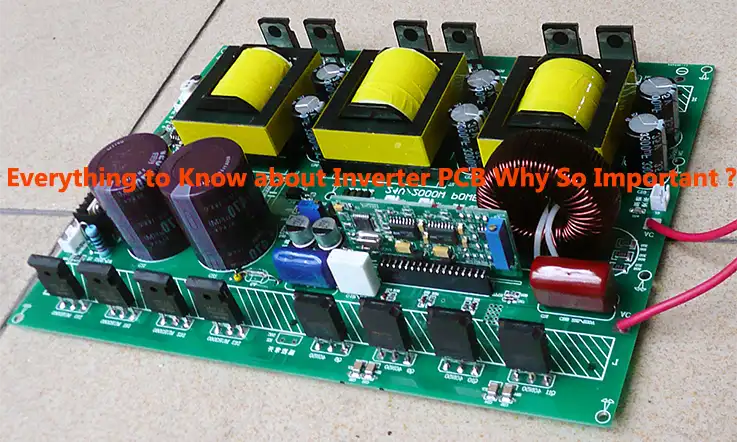
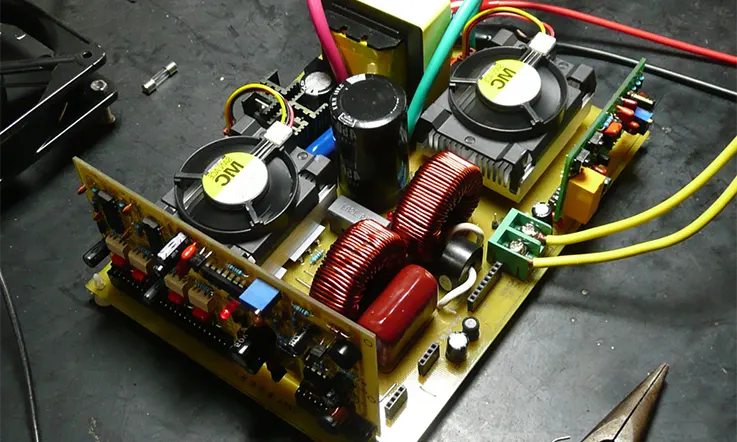
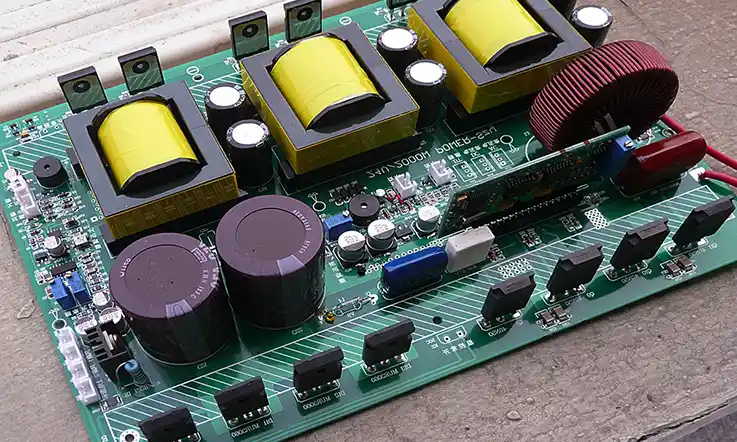
An inverter PCB is a printed circuit board utilized within equipment that converts direct current (DC) electrical energy, typically from a battery or accumulator jar, into alternating current (AC) at a nominal output voltage of 220 volts and a frequency of 50Hz sinusoidal waveform. The composition of this inverter typically includes an inverter bridge, control logic, and filter circuit. Inverters are commonly found in household appliances such as air conditioners, home theaters, electric grinding wheels, sewing machines, DVDs, VCDs, computers, televisions, washing machines, smoke lampblack machines, refrigerators, video recorders, massagers, electric fans and lighting.
Due to the increasing prevalence of automobiles, individuals who travel or commute frequently may also use an inverter to power various electrical appliances and tools using an onboard battery. Inverters for use in vehicles are commonly available in power specifications of 20 W, 40 W, 80 W, 120 W, and 150 W, typically designed to be powered via the vehicle’s cigarette lighter socket. For higher power output inverters, a connection to the vehicle’s battery is required. By connecting the inverter output to household electrical appliances as mentioned earlier, it is possible to use these devices while traveling in an automobile.
Which Material is Used to Manufacture anInverter PCB?
The selection of materials for manufacturing inverter PCBs is dependent upon the specific requirements of the application. While various materials can be used to fabricate inverter PCBs, copper is one of the most commonly employed primary materials. This is mainly attributed to its high electrical conductivity, which allows for efficient transmission of electrical energy and signals without disruption. In addition to copper, other materials may be used in the production of inverter PCBs, depending on the specific needs of the application:
Inverter PCBs are available in three main types, offering a range of options for individuals seeking to select the appropriate circuit board for their application needs. These types can be classified based on their design, layout, and specific features to suit different requirements.
● Single Sided Inverter PCB: Single-layer (or single-sided) inverter PCBs are designed with just one layer of material or base substrate, featuring a single copper coating layer on one side followed by a silkscreen or solder mask. All necessary components are positioned on one side of the board, making circuit design and manufacturing a more straightforward process. Single-layer inverter PCBs are a cost-effective and user-friendly option, particularly suitable for applications with simpler circuit designs.
● Double Sided Inverter PCB: Double-layer (or double-sided) inverter PCBs feature copper metals on both sides of their base plates, with holes connecting the circuits from one side to the other. These PCBs may utilize through-hole or surface-mounting technology for component connection. Double-layer inverter PCBs are ideal for applications of moderate complexity, such as power supplies.
● Multilayer Inverter PCB: Multilayer inverter PCBs are designed with at least three double-sided inverter PCBs placed in alignment and secured together using a specialized type of glue. These PCBs also feature various insulation materials placed between the boards to provide additional protection against heat damage.
Multilayer inverter PCBs are an excellent choice for complex electrical applications such as GPS technology and file servers due to their advanced design and technical capabilities. By utilizing these PCBs, individuals can achieve optimal electrical performance while maintaining maximum thermal stability and protection.
Benefits of Using Inverter PCB
Inverter PCBs are widely recognized as a vital component utilized in modern electronic equipment. These circuit boards enable connections between various passive and active components, offering a range of benefits such as optimal electrical performance and efficient circuit design. Inverter PCBs have become an essential element of many electronic devices, contributing to their functionality, reliability, and longevity.
● Saves wire via its compact size: The use of copper tracks on inverter printed circuit boards provides a space-saving solution by replacing the need for bulky wire types. Wires may take up a considerable amount of space on a circuit board, potentially leading to an increase in size. However, the compact nature of copper tracks allows for a more efficient use of space, resulting in smaller and more streamlined inverter PCB designs. This promotes overall device miniaturization and enables the development of smaller, more portable electronic products.
● Diagnosing and Repairing is Easy: In the event of a malfunction with an inverter PCB, identifying the source of the problem is a relatively straightforward process. This can save time and resources that would otherwise be required to diagnose or troubleshoot the issue. Additionally, replacing faulty parts of the inverter PCB is a cost-effective solution that does not require extensive personnel or material resources. This ensures that repairs can be made efficiently, minimizing any potential disruptions or downtime for the device or system.
● Saves Time: Assembling the parts of an inverter PCB is an efficient process that can save a significant amount of time. The use of advanced machinery and technology in connecting the circuit components offers a cost-effective solution compared to traditional assembly methods, reducing labor costs and saving time for other tasks or projects. By utilizing modern PCB assembly techniques, the inverter PCBs can be produced efficiently without compromising on quality or durability.
● Prevents Frequent Movement: Inverter PCB components are securely mounted onto the board, limiting the possibility of movement and potential damage. This ensures stability and reliability, making it easier to handle and transport devices without compromising their integrity.
● Low Noise: Inverter PCBs are recognized for their capacity to operate silently, producing minimal electronic noise. With proper connections and installation, these circuit boards are capable of reducing the level of electronic noise generated in a system, resulting in improved overall performance and reduced interference.
What are the Limitations of the Inverter PCB?
Although the inverter PCB offers several advantages, there are also several limitations associated with their use. Here are some of the drawbacks to consider when utilizing inverter PCB technology.
● Requires Concrete Layout Efforts: Designing an inverter PCB requires careful attention to detail, particularly in laying out the entire circuit. This is a crucial step in ensuring that the PCB functions optimally and meets the required performance standards. Given the complexity of many inverter PCB designs and the presence of sensitive components, a high degree of vigilance and skill is necessary to ensure that the layout is accurate and error-free. This process may require extra effort and expertise, given that mistakes in the layout can have significant consequences, including causing time delays and potential damage to the circuit itself.
● No Chances of Updates: One of the potential limitations of inverter PCBs is that once printed, the board layout becomes permanent and cannot be easily modified or updated. This permanent nature of the layout makes it crucial to ensure that all necessary design elements are correct before proceeding with the printing process to avoid costly errors and reprints. In situations where updates are required, the only recourse may be to design and print an entirely new PCB. Hence, careful planning and consideration are necessary to ensure that the initial PCB design accurately meets all system requirements.
● High Initial Cost: The upfront costs associated with the planning, design, and development of an inverter PCB can be substantial. As such, it is essential to have a well-defined budget in place that can support the various expenses involved in the PCB creation process. This is particularly important given that the design and development of inverter PCBs typically involve advanced technology, specialized software, and skilled labor. By allocating adequate resources and budget for the project, you can ensure that the product meets the necessary quality standards while also remaining financially viable.
● Environmental Pollution: The manufacturing process of inverter PCBs typically involves etching, which can produce a significant amount of chemical waste that poses environmental pollution risks. This highlights the importance of responsible and sustainable production practices that minimize the harmful impact on the environment. As such, it is essential to follow appropriate health and safety guidelines as well as disposal regulations when working with chemicals during the production process.
How Does an Inverter PCB Work?
Inverter PCBs are designed to convert direct current (DC) into un-interrupted alternating current (AC), which is a crucial function in many power supply applications. When AC power is present, the inverter PCB senses its presence and allows for charge to flow to the battery charging section. The sensors then activate a relay, which passes the AC mains supply through to the output socket. Using line voltage, the AC is inverted into DC, which charges the battery until sensors detect that it is fully charged.
Some inverter PCBs come equipped with trickle charging circuits that help maintain the battery at full capacity. This feature ensures that the battery is kept in its ideal operational state, prolonging its lifespan and maintaining optimal performance. The overall functionality of an inverter PCB is a highly complex process that requires careful design and engineering to ensure that it can perform reliably and efficiently in real-world conditions.
Troubleshooting Inverter PCBs
Troubleshooting Inverter PCBs typically involves the following steps:
● Identify the Problem: The first step is to identify the specific problem with the Inverter PCB. This can include issues such as component failure, power supply problems, or incorrect wiring.
● Inspect the PCB: Visually inspect the PCB for any obvious signs of damage, such as burn marks, cracked components, or loose connections.
● Test the Components: Use a multimeter or other testing device to check the components on the PCB. This can include checking for continuity, resistance, capacitance, and voltage levels.
● Check the Power Supply: Ensure that the power supply is providing the correct voltage levels and is properly connected to the PCB.
● Check the Wiring: Check that the wiring between the PCB and any external components is correct and properly connected.
● Check for Shorts: Use a continuity tester to check for any short circuits on the PCB.
● Replace Components: Replace any faulty components, such as damaged capacitors or burned out diodes.
● Re-solder Connections: Check and re-solder any loose or broken connections on the PCB.
● Re-test the PCB: After making any repairs, re-test the PCB to ensure that the problem has been resolved.
● Document the Troubleshooting: Document any repairs or changes made to the PCB, as well as any testing procedures used, in case similar issues arise in the future.
How to Design a Perfect Inverter PCB ?
● To achieve an optimal layout for an inverter PCB, designers should prioritize components with fixed positions or that are critical to the system’s performance, following the principle of “fix first and move later, big first and small later, difficult first and easy later.” Additionally, components that require a specific location, such as tooling holes or connectors, should be given an immovable attribute and marked with dimensions.
● Temperature-sensitive components should be placed away from heating components, and high heat components should be positioned near the air outlet or an area favorable for convection. Radiators should be placed to promote convection. Furthermore, decoupling components should be located near the power input end, while RF chips, which are sensitive to power noise, require capacitors and shielded inductors placed near them to filter out potential noise radiation.
● Designers should arrange the layout according to the schematic diagram, placing components in the order of their importance and signal flow direction. Furthermore, the layout should aim to fulfill certain requirements, such as minimizing overall trace length, separating high voltage and large current signals from low voltage and weak current signals, and separating analog and digital signals. High-frequency components should be adequately spaced, and the center of gravity should be balanced and aesthetically pleasing.
● In addition, inductor or magnetic beads should not be placed side-by-side, as they can form an air-core transformer that generates interference signals. Instead, a distance greater than the height of one of the components or a right-angle arrangement should be used to minimize mutual inductance.
● Additionally, voltage dividing circuits, differential circuits, and circuits within the same structure should be symmetrically arranged whenever possible, while components with the same power supplier should be positioned together.
Manufacturing of Inverter PCBs
The manufacturing of Inverter PCBs typically involves the following steps:
● Design: The first step is to design the Inverter PCB. This involves creating a schematic diagram, selecting components, and laying out the PCB board.
● Cutting: The PCB board is then cut to the desired size and shape.
● Drilling: Holes are drilled into the board for the components, connectors, and mounting holes.
● Electroless Copper Plating: A thin layer of copper is plated onto the PCB board in order to create the conductive traces that connect the components.
● Imaging: A photosensitive layer is applied to the board, and the PCB design is “printed” onto the board using a UV light.
● Etching: The board is then placed in a chemical bath which removes the copper from the areas not covered by the photosensitive layer, leaving only the desired conductive traces.
● Solder Mask and Silkscreen: A layer of green solder mask is applied to the board, which covers the copper traces. A silkscreen layer is also applied, which adds text and symbols to identify the different components on the board.
● Component Placement: The components are then placed on the board using pick-and-place machines.
● Soldering: The board is then placed in a soldering oven where the components are soldered onto the board.
● Testing: The finished Inverter PCB is then tested to ensure that it functions correctly.
● Final Assembly: The Inverter PCB is then assembled into the final product, which may include additional components such as heat sinks, power supplies, and enclosures.
Specifications to Consider before Choosing the Right Inverter PCB
The specifications required for the appropriate inverter PCB selection vary based on several factors. These factors must be considered when determining which inverter PCB to choose for a particular application.
● Thermal Expansion:When selecting materials for an inverter PCB, it is essential to use materials with the same rate of thermal expansion to avoid losses due to temperature differences. The rate of thermal expansion refers to the tendency of a material to change in size or shape with temperature changes.
If different materials with different thermal expansion coefficients are combined, it can result in thermal stress and mechanical stress that can lead to distortion, cracks, or incomplete bonding in the PCB. Therefore, the use of materials with a matching thermal expansion coefficient will help in avoiding such issues and ensure optimal performance, reliability, and longevity of the inverter PCB.
● Dielectric Loss:When selecting an inverter PCB, it is essential to evaluate the PCB’s impact on signal transmission quality because it is crucial to the application’s operation. Therefore, it is necessary to choose an inverter PCB with very minimal or no dielectric loss to prevent signal wastages.
Dielectric loss is the energy lost between plates as a result of the dielectric material’s resistance. When the loss is minimal, it helps to preserve signal integrity and prevent the loss of signal quality. Hence, selecting an inverter PCB with a low dielectric loss will help ensure that the printed circuit board maximizes signal transmission quality while minimizing energy loss.
● Water Absorption:Another critical factor to consider when selecting an inverter PCB is the rate of water absorption. Water absorption can have an impact on both the PCB’s dielectric constant and dielectric loss. Therefore, when planning to use an inverter PCB in a wet environment, it is essential to choose components that can withstand the effects of moisture or water.
This consideration can help prevent damage to the PCB, maintain optimal performance, and extend the lifespan of the components. It is crucial to take into account all factors that may affect the inverter PCB’s performance to ensure that the device operates efficiently and reliably for its intended purpose.
● Other Resistances:Apart from the considerations mentioned above, it is advisable to ensure that the materials used in constructing the inverter PCB have high ratings in terms of durability, chemical resistance, and heat resistance. These ratings are essential for the long-term operation and reliability of the inverter PCB.
In addition, the inverter PCB must possess excellent endurance and impact resistance to withstand normal wear and tear, accidental damage, or other harsh environmental or operational conditions. Choosing PCB components with material properties tailored to withstand such conditions can help prolong the PCB’s lifespan and improve its functionality.
As a result, selecting a high-quality inverter PCB with materials and components that possess these desired properties can help ensure that the PCB will function optimally, remain reliable, and be less prone to failure or damage.
How Much Does an Inverter PCB Cost ?
The cost of an Inverter PCB (Printed Circuit Board) can vary widely depending on several factors, including the complexity of the design, the quality of the components used, and the quantity ordered. Some Inverter PCBs can cost as little as a few dollars, while others can cost hundreds or even thousands of dollars, especially for high-end, specialized or custom designs.
Inverter PCBs used in consumer electronics, such as air conditioners, refrigerators and washing machines, typically cost between 5 to 50, depending on their complexity. Inverter PCBs used in industrial equipment or renewable energy systems tend to be more expensive and can cost hundreds or thousands of dollars. This is because they often require higher power capacity, more advanced technology, and more durable components to withstand harsh environments.
Custom-made Inverter PCBs are usually more expensive than off-the-shelf alternatives, and quantities ordered can also impact the price, as ordering higher quantities can provide cost savings. Overall, the cost of an Inverter PCB is highly dependent on the specific application and requirements, and can vary widely depending on a number of factors.
Conclusion and Future Outlook
Inverter PCBs are critical components for many electronic devices that require converting DC power to AC power. Inverter PCBs are typically designed with high precision and quality to ensure efficiency and reliability in their operation.
Looking forward, the future of Inverter PCB manufacturing and design will continue to focus on improving efficiency and functionality while reducing costs. Advancements in technology, such as the increased use of AI in PCB design and the development of new materials, can further enhance the performance of Inverter PCBs. The demand for renewable energy will also likely increase the demand for advanced Inverter PCBs in applications such as solar and wind power.
Overall, the future of Inverter PCBs is likely to be characterized by innovation and continuous improvement, as the electronics industry continues to evolve and adapt to new technologies and changing market demands.
Inverter PCBs have become increasingly popular in the electronics industry due to their lightweight nature and the ability to incorporate copper tracks. As more people look for compact electronic devices, manufacturers are turning to these PCBs as a solution. Therefore, if you are looking to invest in the PCB industry, Inverter PCBs are a viable option to consider.
We hope that this explanation has provided clarity on what Inverter PCBs are and their key features. If you have any questions about this topic, please do not hesitate to contact us for further information.
For a prolonged period, lead solder has been the preferred material for employment in PCB manufacturing. However, there has been a recent upswing in apprehensions of consumers regarding the environmental and health effects of products containing lead. As a result, the European Union’s Restriction of Hazardous Substances in Electrical and Electronic Equipment (RoHS) Regulation mandating the restrictions on leaded electronic products was enacted in July 2006.
Despite the absence of legal restrictions on the utilization of lead in consumer goods in certain countries, including the United States, some businesses demand lead solder usage for their electronic products. Given this scenario, which solder is considered the optimal choice for use within the electronics industry ?
This article will provide an overview of lead and lead-free solder, their characteristics and properties, and a comparison of their advantages and disadvantages. By examining these factors, we hope to provide a better understanding of the use of solder in various industries and the current trends towards more sustainable and environmentally friendly solutions.
Roles of Solder in Electronics Manufacturing
● Solder is a fundamental aspect of electronic device manufacturing, as it is used to join electronic components, such as resistors, capacitors, diodes, and integrated circuits, to a printed circuit board (PCB). This soldered joint provides mechanical stability, electrical conductivity, and thermal transfer between the component and the PCB.
● Without good quality and proper application of solder, these connections can become weak or fail entirely, leading to unreliable or non-functioning electronic devices. For example, a poor solder joint could result in a lack of electrical connectivity between the component and PCB, leading to a malfunction in the device.
● Additionally, the quality and composition of solder used for electronic devices affects their overall reliability and performance. The properties of solder (such as melting temperature, thermal expansion coefficient, and electrical conductivity) must be compatible with the electronic components being soldered to the PCB and the temperature requirements of the manufacturing process.
In a word, solder plays a critical role in electronics manufacturing by ensuring that electronic components and PCBs are connected in a secure and reliable way, allowing for functional and durable electronic devices.
What is Solder ?
Solder, a metal alloy, is applied to bond two metals, with extensive use, in electronics production. A variety of solder types cater to different metals to be joined, sorted by three elemental features, namely:
● Composition ● Core Style ● Form
It’s crucial that the solder’s melting temperature remains inferior to that of the metals being joined.
In electronics, soldering refers to the process of connecting one component to a printed circuit board by heating a metallic junction. Assemblers then apply solder to the joint to create a strong, durable bond before cutting the component leads. This action secures the electronic component to the circuit board, rendering it functional.
Many PCB Hardware Electronic engineers, it can be challenging to select the appropriate solder given the multitude of options available in the market. However, you can simplify your search by concentrating on the two fundamental types of solder, which include distinct categories based on:
● Lead Solder. ● Lead Free Solder.
By using these parameters, you should be able to narrow down your selection to identify the optimal solder type for your specific project requirements.
Lead Solder
As PCB assembly manufacturers, it is essential to understand that SNPB solder, or lead solder, is a metal alloy primarily composed of lead (Pb) and tin (Sn). There has been increasing awareness of the potential occupational risks associated with lead soldering, which is leading to it being seen as a health concern within the workplace. This is due to the fact that lead solder is a toxic substance, and the dust and vapours created during soldering can contain neurotoxic elements that pose risks to human health.
Due to its detrimental impact on both human health and the environment, lead solder is gradually being phased out of production processes. Despite its undeniable benefits, it is crucial to adopt alternative soldering methods that are safer and more sustainable in the long run. As printed circuit boards factory, it is our responsibility to prioritize the health and well-being of workers and the wider community while still ensuring the effectiveness and reliability of electronic manufacturing processes.
Advantages of Lead Solder
Lead solder offers several advantages over lead-free alternatives:
● Firstly, it produces fewer joint quality issues and reduces the risk of harmful thermal effects on soldered components due to its lower melting point of 183°C, compared to lead-free solder at 217°C.
● Furthermore, lead solder exhibits a brighter color when cooling, which makes it easier to identify potential issues such as oxidation. This color distinction aids in the detection of any anomalies in the soldering process and assists in ensuring the quality of the final product.
● Lastly, lead solder is more cost-effective and easier to use than lead-free solder, as it costs only ten times as much as tin-based substitute solders. This affordability and ease of use make lead solder a more accessible and widely used option in electronic manufacturing. However, it is important to consider the potential health and environmental risks associated with lead solder and to make informed decisions accordingly.
Disadvantages of Lead Solder
● As electronic manufacturers, preserving the environment and ensuring the safety and well-being of workers are paramount concerns. The neurotoxic properties of lead are a significant cause for the increasing adoption of lead-free solder as a safer alternative to lead-based solder.
● Even minor but prolonged exposure to lead can result in its accumulation in the human body, leading to potential health risks. Workers engaged in industries with high lead emissions from production processes face continuous exposure to lead hazards by inhaling lead vapors or via contact with contaminated surfaces. Lead can also quickly enter the body through the skin, mouth, or nose.
● To this end, there has been a phase-out of lead-based paints, a shift towards unleaded petrol, and increasing adoption of lead-free soldering practices among EMS service providers. The RoHS directive (Restriction of Hazardous Substances) implemented by the European Union (EU) in 2006 and tax credits provided in 2008 by the United States to businesses that reduced their usage of lead-based solders highlight the growing awareness of the need to minimize the use of lead and other hazardous substances, especially in the production of electronic manufacturing equipment.
The adoption of lead-free soldering presents a viable solution that is safer and gaining momentum in the electronics manufacturing industry to safeguard worker health while also prioritizing environmental conservation.
Lead Free Solder
In the electronics industry, lead-free solders have emerged as a viable alternative to commonly used 60/40 and 63/37 SnPb lead solders. These solders are composed of elements such as copper, tin, silver, nickel, zinc, bismuth, and antimony, among others, and are often reinforced with trace metals to enhance their mechanical properties.
By incorporating various elements and trace metals, lead-free solders produced offer superior mechanical properties, meeting stringent quality requirements. Their mechanical properties often surpass those of traditional lead-based solders, promoting longer-lasting, high-quality products.
Tin-copper, a lead-free soldering compound, is the most widely used alternative, with a composition of 99.3 percent tin and 0.7 percent copper and a melting point of 217 degrees Celsius. The utilization of these elements produces high-performance solder alloys that are easy to work with and offer high-quality mechanical properties that meet the required standards.
By adopting alternatives to traditional lead-based solders, such as tin-copper, PCBA manufacturers can reduce their impact on the environment while delivering products that meet the highest industry standards.
Advantages of Lead Free Solder
The utilization of non-lead solders in electronic manufacturing processes is gaining popularity due to their positive impact on both the environment and human health. As a consequence, a growing number of EMS manufacturers and service providers are opting for lead-free soldering. This trend is driven by a common commitment among electronic engineers to reduce the ecological footprint of their products, while simultaneously enhancing the well-being of industry personnel.
Disadvantages of Lead Free Solder
It has been acknowledged that the use of lead solders is backed by a sound rationale as a result of the distinct characteristics of lead-free solders. These characteristics may render lead-free solders unsuitable for certain purposes. Thus, it is reasonable for certain industries and applications to rely on lead solders to meet their specific needs.
● Lead-free solders pose greater challenges in terms of workability when compared to solders containing lead. This is due to their inferior surface wettability and a softer composition as compared to lead solder, which makes it more difficult to achieve comparable joint dependability. Moreover, lead-free solders tend to form surface oxides, flux contamination, and alloy deposits, which may lead to insufficient contact resistance. As a result, switching from lead-containing solder to lead-free solder may not provide the same level of electrical and mechanical qualities of the solder joint.
● It is worth noting that wire flux core and lead-free fluxes often comprise severe reducing agents that can cause substantial irritation to employees’ mucous membranes. Prolonged exposure to these substances can cause sinus, throat, and eye irritation, thus posing a potential threat to the health and safety of workers.
How to Choose the Right Type of Solder ?
To choose the right type of solder for your application, consider the following factors:
● Composition: Decide whether you want leaded or lead-free solder. Lead-free solder is often required by regulations, but leaded solder may still be used in some applications.
● Melting point: Look for a solder alloy with a melting point appropriate for your application. Higher melting point solders may be more suitable for applications that require higher temperatures or involve heat-sensitive components.
● Flux: Consider the type of flux that is best suited for your application. Some solders come with a built-in flux core, while others require a separate flux application.
● Size: Choose a solder diameter appropriate for the size of the components being soldered. Thicker solder may be needed for larger components or heavier connections.
● Application method: Consider the method of application, such as hand-soldering, wave soldering, or reflow soldering, and choose a solder alloy that is compatible with the equipment and techniques being used.
● Environmental considerations: Consider any environmental or safety concerns related to the materials and processes used in your application, and choose a solder alloy that meets the appropriate regulatory standards.
● Compatibility: If you are working with pre-existing components or surfaces, consider the materials being used and choose a solder alloy that is compatible with those materials.
In addition, consult with the manufacturer or supplier of the solder for guidance on choosing the appropriate type of solder for your specific application.
Comparison of Lead Solder and Lead-Free Solder
● Chemical composition: Lead solder typically contains lead and tin, whereas lead-free solder may contain a variety of other metals, such as silver, copper, and zinc.
● Melting point: Lead solder typically has a lower melting point than lead-free solder. This can make it easier to work with but may also make it less reliable under certain conditions.
● Strength and durability: Lead solder tends to be more ductile and have higher tensile strength than lead-free solder. However, lead-free solder can be engineered to have similar properties.
● Environmental impact: Lead solder is known to be toxic to humans and the environment. As a result, many countries have banned or restricted its use. Lead-free solder is generally considered to be more environmentally friendly.
● Cost: Lead-free solder can be more expensive than lead solder, depending on the specific composition and manufacturing process.
● Compatibility: Lead-free solder may not be compatible with some older components or manufacturing equipment that were designed for use with lead-based solder.
These are just a few factors to consider when comparing lead and lead-free solder. The choice of which type to use will depend on the specific application and any relevant regulations or industry standards.
When to Use Lead Solder or Lead Free Solder ?
Whether to use lead or lead-free solder may depend on several factors, including the specific application, local regulations, and personal preferences. Here are some considerations:
● Application: Lead-based solder may provide better flow, wetting, and adhesion characteristics and may be preferred when working with certain materials or components. On the other hand, lead-free solder has a higher melting point and may be better suited for high-temperature applications.
● Regulations: In many regions, the use of lead-based solder is restricted or banned due to environmental and health concerns. In such cases, lead-free solder is the only option.
● Compatibility: Lead-free solder may not be compatible with some older components or equipment designed for lead-based solder. This may require modifications or replacement of parts to ensure proper performance.
● Safety: Lead-based solder releases hazardous fumes when melted, and exposure can lead to lead poisoning. However, if proper ventilation and safety precautions are taken, the risk can be minimized.
In general, if environmental regulations allow and compatibility is not an issue, lead-based solder may be preferred for its ease of use and excellent wetting properties. However, if environmental concerns or safety considerations are a factor, lead-free solder may be the better option. Ultimately, the choice of solder will depend on the particular application and the specific requirements of the user.
Safety Precautions when Working with Solder
Here are some possible safety precautions when working with solder:
● Use proper ventilation: Soldering releases fumes that can be harmful if inhaled, so it’s important to work in a well-ventilated area or use a fume extractor.
● Wear protective equipment: Safety glasses can protect your eyes from hot solder or debris, while gloves and aprons can protect your hands and clothing from burns.
● Avoid skin contact: Solder can get very hot and cause burns if it comes into contact with skin. Avoid touching hot solder, and wash your hands thoroughly after working with it.
● Use the right equipment: Make sure you use the right soldering iron or gun for the job, and keep it in good condition. Check that the equipment is grounded and has no exposed wires.
● Store solder safely: Keep solder and flux in sealed containers in a cool, dry place, away from heat sources and open flames.
● Dispose of waste safely: Used solder and flux can be hazardous waste and should be disposed of properly. Check with your local authorities for guidelines.
● Know what to do in case of emergency: Have a fire extinguisher nearby and know how to use it. Know where the first aid kit is located, and seek medical attention if you get burned or exposed to fumes.
Future Directions and Challenges in Solder Technology
The field of solder technology is constantly evolving to address emerging challenges and requirements in electronics manufacturing. Some future directions and challenges in solder technology include:
● Lead-free solder: The use of lead in solder has environmental and health concerns, and regulations worldwide are shifting towards lead-free solder. However, lead-free solder has its own technical challenges due to its higher melting temperature and effects on reliability.
● Miniaturization: Electronic devices are continually becoming smaller and more compact. This presents challenges for soldering smaller components, as well as for ensuring that the solder joint is reliable and mechanically resilient.
● Alternative materials: New materials and alloys are being developed to improve the properties of solder and address environmental concerns. For example, there is interest in using various metals, such as copper, silver, and bismuth, in solder alloys.
● Advanced manufacturing techniques: Advanced manufacturing techniques, such as 3D printing and laser-assisted soldering, have the potential to improve precision and control in soldering, as well as enable new designs and functionality.
● Thermal management: The increasing power density of electronic devices requires improved thermal management, which can affect the properties and performance of solder joints. New thermal management techniques are being explored to address this challenge.
Summary
Solder is a metal alloy that is used to create a permanent bond between two metal surfaces in a variety of applications. While traditional lead-based solder had long been used, modern environmental concerns have led to the increased use of lead-free solder. Choosing the right type of solder for an application and using proper techniques are important for achieving a strong and reliable bond while ensuring safety and environmental responsibility. With the right equipment and precautions, soldering can be a useful and necessary skill in many industries.
The utilization of lead solder in the production of electronics has been widely favored due to its numerous advantages. However, it is evident that the shift towards lead-free soldering is inevitable and may occur shortly across all industries that frequently use solder in their processes.
At JarnisTech, we are a PCB manufacturing and assembly factory, we understand that varied projects may necessitate the utilization of different soldering techniques. Hence, we offer both lead and lead-free soldering options specifically for PCB assembly. Whether you require any of these distinct soldering methods, we are ready to provide you with tailored services. Contact us now to receive a no-obligation quotation for turnkey PCB assembly.
To establish connectivity between different layers in Printed Circuit Boards (PCBs), holes need to be drilled through or partially drilled in the laminate. These holes serve to connect the traces and pads of different layers. However, the process of drilling is costly and time-consuming in PCB manufacturing because even a slight error can lead to significant losses. Therefore, two technologies, mechanical drilling and laser drilling, are used to drill holes in the PCB manufacturing process.
In this artcle, we will dicuss definition of Mechanical drilling, advantage, disavantage, important in the PCB fabrication and And the difference between it and laser drilling. Now, lets go.
What Is PCB Mechanical Drilling ?
PCB mechanical drilling is a process in which small holes are drilled into printed circuit boards (PCBs) using a mechanical drill. The drill makes contact with the surface of the PCB, and rotates at a high speed to produce a hole with the desired diameter and depth. This process is a critical step in PCB fabrication as it creates holes for the insertion of electronic components, such as leads and pins, allowing them to be soldered onto the PCB. The process can be performed manually or with computer-controlled (CNC) machinery.
When mechanically drilling holes in a PCB, manufacturers rely on a rotating bit tool. These bit tools have a special design making them capable of cutting through various types of laminate materials. Bit tools are available in many sizes defining their diameter, and made from hardened carbide steel material. As a standard PCB consists of glass fiber and resin, and has a copper foil covering on top, it is a tough material for the bit to cut through. The hard material prevents the bit from wearing out fast and allows it to cut many holes before needing a sharpening.
Advantages of Mechanical Drilling
● One of the key benefits of utilizing drill bits for mechanical drilling in PCB manufacturing is the ability to produce high-quality holes consistently, regardless of the number required. The drill bit facilitates the creation of holes with uniform diameter, devoid of any tapering, knees or bevels, even when passing through multiple substrates. Furthermore, the surface of these holes maintains a sharp finish, meeting the stringent design requirements.
● Compared to other drilling methods, mechanical drilling stands out for its efficiency, speed, and consistent performance levels, making it a preferred choice for high-throughput PCB manufacturing. Manufacturers can rely on mechanical drilling to create large numbers of high-quality holes, reducing the risks of errors, defects, or damage to the material.
● In addition, mechanical drilling is a critical technology in PCB manufacturing, delivering high-quality output, consistent results, and fast production cycles. The versatility and reliability of this method also contribute to the production of superior PCBs, ensuring that manufacturers meet their customers’ demands for quality and performance.
Disadvantages of Mechanical Drilling
● Mechanical drilling is an effective method for PCB production, but it has several drawbacks that manufacturers must consider. One significant limitation is the size of the drill bit, which can easily break when drilling narrow holes through multiple layers of material. This is especially true for high-density PCBs with small via holes, which require tiny drill bits that increase the risk of breakage.
● Another challenge of the mechanical drilling process is the formation of elevated copper ends after drilling holes, which requires additional deburring steps to remove. Depending on the number of holes drilled, deburring can be time-consuming and add to the cost.
● Mechanical drilling is an expensive process, and several pre- and post-processing steps are necessary to achieve quality results. Proper tool selection, drill bit preparation, and setup are essential for efficient and effective drilling. However, when multiple diameter holes are required, the process can become time-consuming, particularly if performed manually, increasing the chance of errors and creating more waste.
● To mitigate these challenges, manufacturers must carefully match the drilling method to the PCB design and production process, and equip themselves with suitable handling, equipment, and processing practices to reduce the drawbacks’ impact. By doing so, they can ensure a reliable and efficient production cycle that meets their customers’ demands for quality and performance.
PCB Layout Considerations for Mechanical Drilling
Here are some PCB layout considerations for mechanical drilling:
● Hole-to-edge clearance: There needs to be enough clearance between the drilled hole and the edge of the PCB to avoid any potential damage to the board or drilling equipment.
● Hole alignment: The holes to be drilled should be accurately positioned on the PCB layout to ensure that they are in the correct location with respect to the other circuit components.
● Drill hole size: The hole sizes for mechanical drilling should be chosen based on the size of the components that will be mounted on the PCB and the specific tolerances required for each hole.
● Hole density: The spacing between holes should be sufficient to allow for proper alignment, but also optimized to minimize the number of holes and reduce the drilling time for manufacturing.
● Hole aspect ratio: The ratio between the hole diameter and the board thickness, also known as the aspect ratio, should be kept at appropriate levels to ensure that the holes are mechanically and dimensionally stable.
● Drill breakage and damage prediction: In addition to designing the drill holes, it is also important to consider the possibility of drill breakage or damage, which can be predicted using analysis or simulation tools to redesign the board accordingly.
● PCB material: The type and thickness of material used for the PCB can affect the choice of drill bit or drill machine, as well as impact the accuracy and quality of the drilled holes.
By taking into account these considerations during the PCB layout process, manufacturers can optimize the design for mechanical drilling and ensure that the final product adheres to the required standards for quality and accuracy.
Drilling Techniques and Practices
Here are some common drilling techniques and practices used for PCB mechanical drilling:
● Peck drilling: This technique is used for drilling deeper holes and involves retracting the drill bit periodically to remove any chips and to allow coolant into the hole for lubrication.
● Back drilling: This technique involves drilling holes from the back of the board to partially remove conductive layers or isolation to avoid transmission of signals to unwanted layers.
● Step drilling: This technique involves drilling holes in multiple steps using progressively larger drill bits, which allows for precise control of the hole diameter and depth, particularly for deeper holes where full depth drilling can cause inaccurate results.
● Controlled-depth drilling: This method uses equipment that is able to accurately set and control the drilling depth, which is particularly useful for drilling on multilayer PCBs, as it can prevent damage to inner circuitry.
● Automatic tool change: With the use of a CNC drilling machine, automatic tool change can be facilitated, which minimizes changeover time, allowing for efficient drilling and higher productivity.
● High-precision micro-drilling: This practice uses specialized equipment and high-quality diamond-coated drills for the drilling of extremely small holes with diameters that range between 0.1 mm and 0.5mm.
By using these techniques and practices, manufacturers can achieve greater accuracy and speed, reduce tool wear, and improve the overall productivity of the drilling process in PCB fabrication.
Importance of Mechanical Drilling in PCB Fabrication
Mechanical drilling is an essential process in the fabrication of printed circuit boards (PCBs). Here are some reasons why:
● Required for Component Placement: Holes drilled during the mechanical drilling step allow electronic components to be mounted and secured onto the PCB. These components may include resistors, capacitors, diodes, ICs, and other electronic devices.
● Precise and Accurate: The mechanical drilling process is highly precise and accurate, allowing for the creation of small and uniform holes. This precision is essential to ensure that the finished board functions properly.
● Versatile: Mechanical drilling can produce holes of varying diameters, depths and shapes, making it a versatile manufacturing capability that meets diverse design requirements of PCB.
● Automation Capability: PCB mechanical drilling can be automated using computer numerical control (CNC) machines, which can drill multiple holes at once and offer consistently high accuracy in a short period of time.
● Cost-effective: Mechanical drilling is a cost-effective means of creating holes on PCBs, as the drill bits are relatively inexpensive and it requires no special material like lasers.
Because of these reasons, PCB mechanical drilling is a vital step in PCB manufacturing that ensures that the finished board meets functional and performance requirements.
Mechanical Drilling Technology vs. Laser Drilling Technology
For continuity to exist between different layers of a printed circuit board (PCB), holes must be drilled through or partially in the laminate to connect the respective traces and pads. Drilling these holes is a crucial and complex step in PCB manufacturing, as small errors can lead to significant losses in time and resources. Two primary technologies used for drilling holes during PCB manufacturing are mechanical drilling and laser drilling.
Mechanical Drilling Technology
Mechanical drilling is a popular method for drilling holes in different types of laminate materials in PCB production. This technology utilizes a rotating drill bit, typically made of micro-granular cemented carbide, that is capable of drilling numerous holes before replacement. The drill bit can also undergo resharpening up to three times.
One of the significant advantages of mechanical drilling is its ability to create high-quality and consistent holes, regardless of the number required. Also, holes drilled using this technology lack taper, and the knee of the wall is blocked without bevels. Additionally, mechanical drilling is faster than other methods, contributing to a higher throughput.
However, after every drilling cycle, deburring is necessary to remove elevated copper ends that may remain. This process can be time-consuming and lead to production delays. Besides, mechanical drilling may not be suitable for microvias due to its limitations. The technology cannot drill holes smaller than 6 mils in diameter, making it unable to achieve the precision depth required for microvias.
Laser Drilling Technology
Laser drilling is a technology used in PCB manufacturing that utilizes high-density laser beams to create microvias. Two commonly used types of lasers used in laser drilling are UV and CO2 lasers. Through beam shaping technology, the laser beam targets the material surface, breaking chemical bonds and generating steam that applies downward force on the remaining molten material, allowing for the flow of molten material out of the hole.
Laser drilling’s primary advantage over mechanical drilling is its ability to ablate various substrate materials using different diameters not obtainable through mechanical drilling. As a non-contact technique, laser drilling requires less processing and tool selection than mechanical drilling, leading to faster processing times and higher throughput.
However, laser drilling also presents several drawbacks. Without a metal stop layer, it is difficult to achieve precise depth control, leading to tapering from large aspect ratios. Additionally, laser drilling can carbonize the cutting edges, resulting in a burnt or black appearance.
When to Use Mechanical Drilling or Laser Drilling ?
Deciding on the drilling method to use when creating holes in a printed circuit board (PCB) primarily depends on the aspect ratio of the holes and the pad-to-hole diameter ratio. The aspect ratio refers to the ratio of hole diameter to its depth, while the pad-to-hole ratio is more critical during the PCB fabrication process than its design phase.
● Through-Hole Vias: A typical via hole diameter is 0.010 inches, with a tolerance of ±0.003 inches, and manufacturers usually place via holes in the center of the conjoining pad. The smallest diameter of the drilled hole and the overall thickness of the board before the plating process determines the aspect ratio, with larger aspect ratios making the plating process more challenging, increasing the plating time, and the likelihood of creating cracks in the hole wall due to expansion.
To reduce the chances of creating cracks in the hole wall, fabricators often use a rule of thumb to employ larger vias for thicker boards. During fabrication, the usual practice for the copper pad of a via hole is to make it 0.015 inches larger than the desired finished size of the hole. For example, a 0.010 inch via hole would need a 0.025-inch copper pad. The manufacturer can drill a via hole with a diameter of 0.015 inches, with final plating and surface finish eventually bringing the hole diameter to 0.010 inches ±0.003 inches.
Consequently, the aspect ratio and pad-to-hole diameter ratio are determinants in selecting the appropriate drilling method for creating holes in a PCB. To enhance the quality of the holes and reduce production costs, fabricators should use larger vias for thicker boards and ensure greater precision in the placement of via holes.
● Buried and Blind Vias: To optimize the design and functionality of multi-layered printed circuit boards (PCBs), fabricators commonly employ buried and blind vias instead of through-hole vias that pass straight through the board. Through-hole vias are usually reserved for simpler two-layered PCBs.
While both mechanical drilling and laser cutting techniques can be used to create buried and blind vias, laser cutting can result in less accurate depth and generate tapering along the hole edges. Fabricators may introduce an etching step to assist the laser with cutting through the substrate, while ensuring that the copper pad beneath is not ablated. Strict adherence to proper procedures and precautions is necessary to achieve the desired manufacturing results for the PCBs.
Common Mechanical Drilling Defects and How to Avoid Them
Here are some common mechanical drilling defects that can occur in PCB fabrication and some ways to avoid them:
● Drilled Hole Breakout: This defect takes place when the drill bit exits at the wrong location or breaks through to an adjacent layer or the board’s edge, and causes unacceptable damage. To avoid this defect, accurate pre-drill alignment and suitable design rules for board contours and drilling have to be considered. Additionally, drill parameters must be carefully fine-tuned to optimize drilling quality and minimize the risk of drill breakout.
● Burr Formation: This defect occurs as a drill exits the board material and creates burrs or protrusions around the hole. Burr formation is influenced by several factors such as the drill’s clearance angle and the hole aspect ratio, which must be controlled to minimize this defect. Proper drill sharpness, chips evacuation, and lubrication can also help to prevent burrs formation.
● Drilled Hole Residue: Residue can occur during drilling due to chip and material fragments getting stuck in the holes. This defect can be avoided by using optimized pecking cycles to remove the waste chips and keeping the drill bit sharp and lubricated.
● Drill Bit Fracture: The drill bit is prone to fracture when it encounters hard or abrasive material, or due to feed rates that exceed the recommended parameters. To prevent drill bit fracture, appropriate drill selection such as using diamond or carbide coated bits with a suitable flute number, adequate cooling and use of compatible drilling parameters are recommended.
● Oversizing/undersizing of holes: This defect takes place when holes exceed or are below the specified size, affecting precise incorporation of components. This defect can be avoided by proper drill tool selection, regular operator calibration of drills and machines, and having drill control mechanisms in place.
By following recommended procedures and guidelines during the manufacturing process, as well as using proper equipment and techniques, these common mechanical drilling defects can be prevented, leading to a higher quality and more reliable final product.
Conclusion
PCB mechanical drilling is a critical process in the fabrication of printed circuit boards. It involves the removal of material through a rotating drill bit to create holes for components and vias that connect different layers of the PCB. Although it is a mature technology, there are still challenges in achieving high precision and quality while minimizing costs and time-to-market.
With the increasing demands for smaller and more complex devices, there is a need for advanced drilling techniques and equipment. PCB manufacturers are exploring the use of lasers, robots, and automation to improve accuracy, consistency, and efficiency. They are also experimenting with new materials and drilling methods to meet the evolving needs of the electronic industry.
However, even with new technologies, mechanical drilling will continue to play a significant role in PCB fabrication. It remains a cost-effective and reliable way to create holes in a wide range of materials and sizes. To optimize the mechanical drilling process, it is essential to understand the various factors that affect it, such as drill bit type, speed, feed rate, and coolant delivery.
Overall, PCB mechanical drilling is a critical process that warrants careful attention and optimization. By staying abreast of the latest developments in drilling technology and understanding the underlying principles, PCB manufacturers can ensure high-quality and reliable products that meet the needs of the electronic industry.
JarnisTech, as a PCB and PCBA manufacturer in China, has been serving the industry for 20 years. We take immense pride in providing high-quality one-stop service to our esteemed clients, from PCB manufacturing to component procurement and full turnkey PCB assembly. Our commitment to excellence has earned us trust and support from clients worldwide.
Glass-epoxy composites are an exceptional material solution that provides superior thermal and electrical insulation properties, making them an ideal choice for electronic manufacturing. This material offers exceptional resistance to high temperatures, dimensional stability, and mechanical strength, thereby ensuring that products remain durable and reliable. In addition to its desirable performance characteristics, the combustibility of glass-epoxy composites can be controlled expertly, further bolstering their safety and reliability in electronic devices.
For these reasons, glass-epoxy composites are frequently used in PCB and electronic manufacturing when high-performance and dependable thermal and electrical insulation properties are required.
In this article, we will discuss the properties, manufacturing process, advantages and disadvantages, and applications of glass epoxy.
What Is Glass Epoxy and How Is It Used in PCBs ?
Glass epoxy, also known as FR-4 (flame retardant 4), is a type of composite material made of woven fiberglass cloth and an epoxy resin binder. It’s commonly used as a substrate material for printed circuit boards (PCBs) due to its high tensile strength, low thermal expansion coefficient, electrical insulating properties, and flame-retardant nature.
In PCBs, Glass Epoxy is used as the base material for the board and is laminated with copper foil layers, which are etched to create a circuit pattern. The copper acts as the conductive pathway, and the Glass Epoxy provides the mechanical support and insulation for the circuit. The combination of the two materials results in a stable and reliable PCB, capable of withstanding harsh operating environments.
Types and Properties of Glass Epoxy Materials
There are several types of glass epoxy materials used in PCBs. Some of the most common types include:
FR-4: This is the most widely used type of glass epoxy material in PCBs and is made from woven fiberglass and an epoxy resin. It is known for its high strength, dimensional stability, and resistance to moisture and chemicals.
FR-2: This type of epoxy material is made from paper and resin instead of fiberglass. It is less expensive than FR-4 and is commonly used in low-cost consumer electronics.
FR-3: Also known as CEM-1 (Composite Epoxy Material), this type of epoxy material is made from a blend of woven fiberglass and cellulose paper.
The properties of glass epoxy materials vary depending on the specific formulation and type of reinforcing fibers used. Generally, glass epoxy materials have high strength, low dielectric constant, low dissipation factor, and high thermal stability. They are also resistant to moisture, chemicals, and high temperatures, making them ideal for use in high-reliability electronic applications such as PCBs.
Benefits and Drawbacks of Using Glass Epoxy in PCBs
Benefits of using Glass Epoxy in PCBs include:
● High mechanical strength: Glass Epoxy has a high tensile strength to weight ratio which makes it a robust and durable material for PCB applications.
● Excellent electrical insulation: Glass Epoxy has excellent electrical insulation properties which make it a great choice for PCB substrates, where electrical isolation is critical.
● High thermal resistance: Glass Epoxy has a low thermal expansion coefficient, making it ideal for components that generate heat. It has a high glass transition temperature, enabling it to withstand high temperatures without losing its mechanical integrity.
● Flame retardant: Glass Epoxy is a self-extinguishing material, making it an ideal substrate material for PCBs operating in environments with a high risk of fire.
Drawbacks of using Glass Epoxy in PCBs include:
● High dielectric constant: The high dielectric constant of Glass Epoxy may reduce the high-frequency performance of PCBs.
● Poor moisture resistance: Glass Epoxy can be sensitive to moisture absorption, which can degrade its electrical properties over time.
● Manufacturing limitations: Glass Epoxy can be challenging to process and manufacture, requiring specialized techniques and equipment.
● Higher cost: Glass Epoxy is typically more expensive than other PCB substrate materials, which can make it less cost-effective for some applications.
Properties of Glass Epoxy and How to Affect PCB Design
The properties of Glass Epoxy directly affect PCB design as it determines the performance, reliability, and manufacturability of the circuit board. Some important properties of Glass Epoxy in relation to PCB design are:
● Dielectric constant: Glass Epoxy has a relatively high dielectric constant, which can affect the signal integrity and cause undesirable crosstalk between adjacent signal traces. PCB designs must account for this parameter to minimize signal interference.
● Thermal expansion coefficient: Glass Epoxy has a low thermal expansion coefficient, which makes it less prone to thermal stress. This factor must be considered when designing PCBs for applications with significant temperature variation.
● Tensile strength: Glass Epoxy has a high tensile strength, which makes PCBs more robust and durable. PCB designers can take advantage of this trait by designing thinner, lighter PCBs with high mechanical stability.
● Moisture absorption: Glass Epoxy can absorb moisture that can affect the dielectric properties of the PCB material and lead to reliability issues.
● Flame retardancy: Glass Epoxy is flame retardant, making it an ideal material for PCBs used in high-risk environments prone to fire. PCB designs should incorporate additional safety features to further reduce the risk of fire.
PCB Substrate Materials: Why Glass Epoxy is the Preferred Choice
PCB substrate materials must have good insulating properties, high mechanical strength, low thermal expansion coefficient, and be able to withstand high temperatures, humidity, and corrosive environments. Glass Epoxy is the preferred choice as it is a type of reinforced plastic material that offers a high degree of dielectric strength, excellent dimensional stability, and good thermal and chemical resistance.
Additionally, Glass Epoxy has a low dielectric constant and loss factor, making it ideal for high-frequency circuit applications. These properties make Glass Epoxy the preferred substrate material for PCB production in different electronic industries.
Manufacturing Process for Glass Epoxy PCBs
● Panel preparation: The Glass Epoxy substrate material is cut to the required size and shape. The panels are then cleaned and prepared for lamination by removing any contaminants present on the surface.
● Copper foil lamination:Copper foils are laminated onto the Glass Epoxy substrate using a heat and pressure process called hot press lamination. The copper foil circuit patterns are created using photoresist and etching.
● Drilling: Holes are drilled into the PCB panels for component insertion and copper plating. Automated drilling machines are used to drill precise holes at predefined locations.
● Electroless copper plating: The drilled holes are electrolessly plated with copper to provide the required electrical connectivity between layers of the PCB.
● Outer layer etching: The outer layer copper is etched away to define the final circuit pattern using photolithography and etching techniques.
● Solder mask application: A solder mask is applied to the PCB surface to protect the circuit traces from oxidation and contamination and to facilitate component assembly.
● Surface finish: The PCB surface is finished with a layer of a suitable metal such as gold, silver, or tin to provide a protective coating, improve solderability, and ensure reliable electrical connectivity.
● Testing and inspection: PCBs are inspected using automated optical inspection and electrical testing equipment to identify any manufacturing defects and verify their performance.
Glass Epoxy PCBs require specialized manufacturing techniques due to the material’s unique properties, including high mechanical strength, thermal resistance, and electrical insulation capabilities. PCB manufacturers must use appropriate equipment, such as laminating machines and drillers, and follow stringent quality control measures to ensure that the final product meets the desired specifications and performance requirements.
Tips and Best Practices for Designing and Working with Glass Epoxy PCBs
Some tips and best practices for designing and working with Glass Epoxy PCBs include:
● Proper handling and storage: Glass Epoxy should be stored in a dry environment to prevent moisture absorption, which can affect its properties. When handling, avoid bending or dropping the material to prevent cracking or damage.
● Design for manufacturability: During the design stage, consider the manufacturing process and the limitations of Glass Epoxy. Ensure the board layout is optimized for efficient trace routing and allow adequate spacing between components to avoid unintended shorts.
● Thermal management: When designing with Glass Epoxy, consider the thermal conductivity properties of the material to help dissipate heat. Thermal vias can be incorporated to improve heat dissipation.
● Avoid crevices and sharp corners: Sharp corners, creases or uneven surfaces on Glass Epoxy can trap air and moisture, a potential cause of delamination, or poor soldering quality. Avoid them when designing and fabricating a PCB.
● Choose appropriate surface finish: The choice of surface finish on the copper and component leads can impact the soldering process’s reliability. Select a suitable finish that can provide good solderability, protect the copper, and withstand the environment.
● Test and inspect: Thoroughly test and inspect PCBs during and after the manufacturing process to detect any defects or issues that may affect their functionality or reliability.
By following these tips and best practices, designers and manufacturers can maximize Glass Epoxy PCBs’ performance, reliability, and longevity.
Examples and Case Studies of Glass Epoxy PCB Applications
Glass Epoxy PCBs are widely used in various electronic applications, including but not limited to:
● Computing and data processing equipment: High-performance computing and data processing systems require reliable and durable PCBs made from Glass Epoxy materials to withstand the rigors of continuous operation.
● Automotive electronics: Glass Epoxy PCBs are used in automotive electronics, where high-temperature stability, mechanical strength, and durability are vital for harsh automotive environments.
● Aerospace and defense applications: Glass Epoxy PCBs are used in aerospace and defense applications due to their high thermal resistance, mechanical strength, and flame-retardant properties.
● Industrial equipment: High-voltage power supplies, motor controllers, and other industrial equipment require PCBs made from Glass Epoxy materials to provide adequate insulation, reliability, and durability.
● Consumer electronics: Mobile devices, audio equipment, and other consumer electronics require PCBs made from Glass Epoxy materials to meet the design requirements such as thin profile, high-density circuitry, and durability.
One case study of Glass Epoxy PCB application is its use in LED lighting technology. Glass Epoxy PCBs provide the high thermal conductivity needed to dissipate heat efficiently, enabling LEDs to operate at a higher power density more effectively. This results in brighter, more energy-efficient LED lighting fixtures.
Another example is in the Medical device industry. Glass Epoxy PCBs are useful in implantable and wearable medical devices that must be able to withstand environmental and temperature changes, have high mechanical strength, build tolerance to radiation, and be biocompatible with human tissues.
Overall, Glass Epoxy PCBs can be used in various applications where high-temperature, high mechanical strength, and high reliability are required, and these properties make it ideal for use in mission-critical environments.
Trends in Glass Epoxy PCB Technology
● Increased use of Glass Epoxy PCBs in high-frequency applications: As demand grows for high-speed data transmission, Glass Epoxy PCBs will be capable of meeting the frequency requirements, and digital systems will benefit from utilizing the material.
● Improved thermal conductivity: Research is underway to improve the thermal conductivity of Glass Epoxy PCBs, which would enable more effective cooling solutions for electronic devices.
● Development of new laminates: Manufacturers are exploring new methods of creating Glass Epoxy laminates, such as using advanced resins, fibers, and adhesives, to improve mechanical strength and reduce costs.
● Advancements in the manufacturing process: Continued advances in PCB manufacturing technology will make it easier and more cost-effective to produce PCBs in intricate designs and configurations with high levels of reliability and performance.
● Adoption of environmentally friendly materials: The industry is focusing on the development of halogen-free, environmentally friendly Glass Epoxy substrates to meet regulatory requirements and market demand.
Future Outlook of Glass Epoxy
As technology advances and electronic devices become more complex and sophisticated, the demand for high-performance PCBs made from glass epoxy is likely to continue to increase. However, PCB designers will need to keep up with the changing trends in the industry and continued adoption of new technologies such as IoT, edge computing, and 5G.
In addition, the rise of environmental sustainability is likely to drive innovation in eco-friendly PCB materials, which could potentially pose a challenge to the dominance of glass epoxy. Despite this, glass epoxy remains a popular and reliable choice for high-reliability electronic applications, and its versatility makes it a key player in the manufacturing of cutting-edge electronic products.
Final Words
Choose JarnisTech as Your PCB Provider
Glass epoxy is a critical material in the manufacturing of printed circuit boards (PCBs). Its high mechanical strength, resistance to heat and chemicals, and electrical insulation properties make it an ideal choice for PCB substrates. Glass epoxy PCBs are widely used in various electronic devices, from smartphones to high-performance computing equipment. As technology advances and demand for high-speed and high-density PCBs increases, glass epoxy materials play an even more significant role in meeting those demands.
However, it is crucial to adhere to proper handling and disposal procedures to avoid any environmental or health hazards associated with the production and use of glass epoxy materials. Overall, glass epoxy is an essential component in the world of PCB manufacturing, and its importance will continue to grow as technology progresses.
JarnisTech has been a leader in the printed circuit board (PCB) industry since 2000, thanks to our unwavering commitment to utilizing unparalleled epoxy conformal coating in both PCB fabrication and assembly (SMT & DIP). We are ideally positioned to assist you in meeting your coating requirements. Our operations take place in facilities that have been certified to meet the rigorous requirements of both the International Organization for Standardization (ISO) 9001:2015 and the Aerospace Standard (AS) 9100D. This certification assures you that our PCB and PCBA products will be of the highest possible quality. As a PCB manufacturer, we are confident that our expertise and superior coatings will deliver a PCB and PCBA product that exceeds your expectations.
Electronics is a complex field that encompasses a multitude of phenomena. The use of acronyms and abbreviations, especially those consisting of three letters, can pose a challenge to professionals and students working in this field, potentially leading to confusion.
In this article, we aim to provide a comprehensive understanding of printed wiring boards (PWBs). These are frequently used in electronic product design and manufacturing, alongside printed circuit boards (PCBs). Hence, it is crucial to discern the differences between the two.
This piece will begin by defining what printed wiring boards are before delving into the major factors that affect their performance, including PWB types and manufacturing methods. Lastly, we will highlight the differences between printed wiring boards and printed circuit boards, as well as the various PWB manufacturers’ types.
Read on for an in-depth exploration of the subject; we will deliver detailed explanations to provide you with a comprehensive understanding.
What Is a Printed Wiring Board (PWB)?
A Printed Wiring Board (PWB) is a type of circuit board that is composed of an epoxy glass substrate which is utilized to establish linkages to form an electrical circuit. PWB fabrication involves the creation of an electrical network over a substrate, where conductive paste is used to assemble the circuits. When it comes to creating an electrical connection, designers typically use a conductive plate during the design process.
PWB, which stands for printed wiring board, is a board employed by manufacturers to affix components and wire them together. This board is placed on top of a dielectric substrate and serves as a means for designers to link wires from one location to another. Printed Wiring Boards do not contain printed circuits, instead, during PWB fabrication, materials are etched away to develop conductive-isolating surfaces between traces. Manufacturers utilize plating through holes to link the conductive layers on a PWB, allowing for component installation and electrical connection.
Printed Wiring Boards (PWBs) do not contain any printed circuits, and serve as substrates without any components. During the manufacturing process of PWBs, materials are etched away to create conductive-isolating surfaces between traces, which is necessary for their function. In order to link conductive layers on a printed circuit board, manufacturers typically utilize plating through holes. These perforations not only facilitate installation of components, but also enable electrical connections to take place.
Fabrication Process of Printed Wiring Boards
The fabrication process of printed wiring boards typically includes the following steps:
● Material preparation: The process begins with the selection of the appropriate substrate material, usually fiberglass-reinforced epoxy. The substrate is then coated with a layer of copper on one or both sides to form the conductive pathways.
● Image etching: A resist material is applied to the copper layer, which is then exposed to ultraviolet light through the use of a patterned mask. The unexposed resist is then removed, leaving behind a patterned copper layer, essentially forming the circuit.
● Drilling and plating: Holes are drilled in the substrate for component leads and interconnections. The holes are then plated with a thin layer of copper to ensure electrical continuity.
● Solder mask and surface finishing: A solder mask is applied to the board to protect the exposed copper and prevent shorts. The board is then coated with a surface finish to protect it from environmental factors like oxidation and wear.
The fabrication process may also include additional steps such as lamination to create multi-layer boards, silk screening for labeling, and electrical testing to ensure functionality.
Printed Wiring Boards Advantage and Disadvantages
Advantages of Printed Wiring Boards:
● Reliable Connectivity: Printed wiring boards provide a reliable means of connectivity for electronic components, which leads to fewer failures and improved performance.
● Reduced Size and Weight: By using printed wiring boards, electronic systems can be made smaller and lighter, which is beneficial for the development of compact and portable devices.
● Efficiency: The use of printed wiring boards streamlines the electronic manufacturing process and reduces the need for wire harnesses, cables, and components, thereby improving the efficiency of the manufacturing process.
● Reproducibility: Printed wiring boards can be produced in large quantities, and the process can be tightly controlled to ensure consistent quality and performance.
● Cost-Effective: Printed wiring boards have a low manufacturing cost due to the efficiency and automation of the process.
Disadvantages of Printed Wiring Boards:
● Initial Design Cost: Printed wiring boards require designing and prototyping, which can be costly during the initial stages of product development.
● Limited Component Placement: The placement of components on printed wiring boards can be limited by the board’s size and layout, making it challenging to accommodate complex or specialized components.
● Difficult to Repair: Repairing printed wiring boards may be challenging, especially when dealing with multilayered boards, which may require specialized equipment.
● Environmental Concerns: The manufacturing process involves the use of chemicals and materials that can be harmful to the environment when not disposed of properly.
● Fragility: Printed wiring boards can be fragile and susceptible to damage during handling, transport, and assembly, which may affect their performance.
So, the advantages of printed wiring boards, such as reliable connectivity, reduced size and weight, and efficiency, outweigh the disadvantages such as environmental concerns, fragility, and the difficulty of repair. It is essential to weigh the advantages and disadvantages of printed wiring boards when deciding whether to use them in electronic devices.
Printed Wiring Boards (PWBs) Types
● Printed Wiring Boards (PWBs) can be categorized in a number of ways. One way is based on the complexity of the end product which is determined by the number of layers present. PWBs can be divided into three distinct groups based on the number of layers: single-sided, double-sided, and multilayer. Multilayer PWBs have more than two layers of circuitry, indicating that there is at least one layer beneath the surface of the circuit board.
A multilayer PWB may include as many interconnected layers as necessary, but most commonly have 4, 6, or 8 layers. Double-sided PCBs have only two interconnected layers, making them easier to manufacture compared to multilayer boards. Single-sided printed wiring boards have a layer of circuitry printed on one side of the substrate.
● Professionals also classify PWBs based on their substrate material and use. PWBs can be categorized as flexible, rigid, or rigid-flex, depending on their purpose. Flexible PWBs are made from substrates made of polyester and polyimide, and are able to maintain their flexibility making them suitable for a variety of applications. Flexible PWBs can be bent multiple times and can sustain a significant number of flexing cycles.
Rigid PWBs, on the other hand, are made from a glass-reinforced epoxy-resin by manufacturers. These PWBs are typically less than 0.1 inches thick. Rigid-flex PWBs combine the advantages of both rigid and flexible boards.
● Another way PWBs can be divided is based on the procedures used in their production. Both subtractive and additive processing are used. Subtractive processing involves carefully removing copper from a printed wiring board to create a circuit, followed by adding additional metals during the plating process. In subtractive processing, an image from a digital file is transferred to a copper circuit on a board using image transfer.
Additive processing, on the other hand, adds copper to a substrate to form the image. This process does not involve any etching or removal of copper. The additive process has been widely used for PWB manufacturing for a significant amount of time.
Testing and Inspection of Printed Wiring Boards
Testing and inspection are crucial steps in the manufacturing process of printed wiring boards to ensure that the final product meets the required quality standards. The following are the most commonly used methods for testing and inspection of printed wiring boards:
● Electrical testing: This method is used to verify the electrical connectivity of the boards. Automated testing equipment is used to apply electrical signals to each point on the board and compare the results against a predetermined set of parameters, such as resistance, voltage, and impedance.
● Visual inspection: This method involves a comprehensive examination of the board to check for any defects such as scratches, cracks, or misaligned components. Visual inspection can be conducted manually or with automated systems using optical cameras.
● X-ray inspection: This method is used to inspect the internal components of the board for any defects that cannot be detected by visual inspection. X-ray images can reveal issues such as solder bridging, insufficient soldering, or cracks in the substrate.
● Microsection analysis: This method involves taking a cross-sectional sample of a board for detailed microscopic analysis. It can provide valuable information about the quality of the plating and the bonding between layers in a multi-layer board.
● Thermal cycling: This test involves subjecting the board to a range of high and low temperatures to simulate the effects of thermal stress on the board. The board is inspected before and after the thermal cycles for any changes in its electrical or physical properties, such as delamination or cracking.
By using a combination of these testing and inspection methods, manufacturers can ensure that printed wiring boards meet the required quality standards and function reliably in their intended applications.
Applications of Printed Wiring Boards
Printed wiring boards, also known as printed circuit boards, have a wide range of applications in various fields. Some of the common applications of printed wiring boards include:
● Consumer electronics: Printed wiring boards are extensively used in a variety of consumer electronics, including smartphones, televisions, laptops, and gaming systems. They serve as a crucial component for the electrical connectivity of these devices.
● Industrial automation: Printed wiring boards are used in industrial automation systems, such as control panels, motor controls, and robotics. They help streamline the electrical connections and improve the overall performance of the system.
● Medical devices: Printed wiring boards are used in various medical devices, such as electrocardiogram machines, blood glucose meters, and patient monitors. These devices rely on printed wiring boards for reliable and accurate electrical connectivity.
● Aerospace and defense: Printed wiring boards are widely used in the aerospace and defense industries for applications such as navigation systems, satellite communications, and defense equipment. They provide a reliable means of electrical connectivity in harsh environments and demanding operating conditions.
● Automotive: Printed wiring boards are commonly used in automotive applications, such as engine control modules, navigation systems, and entertainment systems. They help reduce the size and weight of electrical systems, while improving their reliability and performance.
The above applications are just a few examples of where printed wiring boards are used. They are widely utilized in various other industries as well, such as telecommunications, energy, and transportation.
Factors of Influencing Printed Wiring Board Performance
The performance of a finished product is heavily reliant on the quality of the Printed Wiring Board (PWB) structure. PCB designers and assemblers must take a multitude of factors into consideration before creating the PWB. These considerations include numerous elements that must be carefully evaluated to ensure the desired level of performance is achieved.
Operational Speed
After the design and assembly process is complete, the currents in a printed wiring board (PWB) flow through the circuit’s traces, leading to the components and back again, powered by a power supply. Copper traces embedded in the board play a fundamental role in this function, and the substrate surrounding these traces can have an impact on signal strength and speed.
The substrate material negatively affects the time it takes for a signal to travel from one location to another, also known as “time of flight.” This impact is mathematically expressed as an inverse proportion to the square root of the dielectric constant of the substrate material. Simply put, the signal will face more resistance if the substrate is thicker and less conductive.
The length of conductors traversed by the signal also affects the time it takes for it to travel. Assemblers are required to use shorter conductors to create designs that are both brief and quick. If the desired performance is greater than 25 MHz, then strip lines and micro-strips can be used as a supplement to the conductors in order to improve performance.
Power Consumption
Power consumption is a critical concern when it comes to fabricating printed circuit board assemblies. Issues with power consumption can arise as early as the PWB stage. The amount of power required to run a circuit is directly proportional to the number of gates present. When developing a PWB, it is necessary to consider the appropriate power supply and adjust the number of gates and clock rate accordingly.
In addition, when high-speed switching circuits are involved, it is crucial to consider the ground return current flow of the traces. Without sufficient grounding, switched circuits can quickly cause overheating, burnout, or disruptions in the flow of current.
If a board has multiple layers, it becomes necessary to include a ground plane between each of the layers to maintain low resistance. These ground planes function as extensive grounding regions that efficiently scatter the return current.
Thermal Management
Printed Wiring Boards (PWBs) are typically poor heat conductors. The substrate material’s ability to absorb and retain heat necessitates the incorporation of additional heat-dissipating mechanisms in PWB designs to prevent excessive temperatures from developing.
FR4 is an ideal substrate material for most circuits as it can absorb a reasonable amount of heat. However, high-speed circuits require significantly better thermal management capacity. Fortunately, there are several approaches to achieve this goal. These include:
● Heat Vias: Heat vias, also known as thermal vias, are small holes present on a circuit board lined with a conductive material to allow heat to escape from the board. In addition, the air surrounding the board can help dissipate the heat.
● Heat Sinks: Heat vias or thermal vias are designed to remove heat from the printed circuit board, allowing it to dissipate without damaging the circuit.
● Conductive Planes: Conductive planes are layers of conductive material deposited between two layers of a board, typically employed with multilayer boards. They are capable of safely distributing the heat generated by the surrounding boards, as they can absorb heat and release it across a larger area.
Incorporating these components into the PWB design can enhance heat management, current, and component utilization. The choice of approach depends on the number of PCB layers and the PCB layout.
Printed wiring boards (PWBs) are a vital component in the printed circuit board (PCB) assembly process. Designing these components is just as important as planning for the product as a whole. A poorly designed PWB will result in a PCB with poor design. Therefore, it is crucial to consider the quality of the PWB when choosing a partner for PCB assembly.
What Is the Difference Between PWB and PCB ?
Printed Wiring Boards (PWB) and Circuit Boards are two distinct types of boards, and their differences are as follows:
● Electrical Components: When comparing Printed Circuit Boards (PCBs) to Printed Wiring Boards (PWBs), one of the main and significant differences is that a PCB refers to a board that already contains the entire circuitry, while PWBs consist of a board without any components.
This fundamental distinction signifies that PCBs are essentially finished versions of circuit boards and are ready for use in various electronic products. On the other hand, the use of PWBs is useful in identifying the initial stages of circuit board creation, as well as demonstrating the usefulness of circuit boards in electronics, which do not require highly complex capabilities.
● Area and Location: The terms “Printed Wiring Board” and “Printed Circuit Board” can be used interchangeably in the context of the electronics manufacturing industry in the United States, depending on the region or place.
During the early stages of the electronics industry, the term “Printed Wiring Board” was widely used, as the connections present on the boards were primarily from one point to another. Later, when the technology of circuit boards had advanced significantly, the term “circuit” became more appropriate due to the complex functionalities offered by printed circuit boards. Initially, this term was only used for internal purposes, but it eventually gained widespread use.
Printed wire boards, also known as design substrates, are limited to the preproduction of electronic devices, as the technological breakthroughs have made PCBs available to the general public. Printed wire boards have no components attached to them, and their design includes openings for the soldering of electrical components both into and through the components themselves.
Before the necessary electronic components can be attached to printed circuit boards, printed wiring boards must undergo a series of chemical and physical procedures.
Additional Terms That Are Associated with PWB and PCB
In addition to PCB and PWB, other common terms used in reference to printed circuit boards include PCBA, CCA, PCA, and PWA.
PCBA stands for Printed Circuit Board Assembly, referring to the process of assembling a printed circuit board. This term has been widely used since the shift in 1999 and is preferred by both users and technical committees.
● PWA, or Printed Wire Assembly, is an obsolete term for printed circuit board assembly and is now rarely used.
● CCA, or Circuit Card Assembly, is another term used to refer to the assembled circuit board. While it refers to the same substance as PCBA, CCA is not a widely used term.
● PCA, or Printed Circuit Assembly, is essentially the same as PCBA but is not commonly used nowadays.
As a result, PWB, PCB, and Circuit Cards all refer to the bare printed circuit board, while PCA, CCA, PWA, and PCBA refer to the assembled circuit board. PCB and PCBA are the most commonly used terms out of these options.
PWB Manufacturers Types
The production of PWBs is a complex and technically demanding process that requires significant pieces of machinery. Companies in the PWB industry design these boards for various purposes, and the level of competition in this sector is extremely high. The manufacturers of printed wiring boards can be categorized into two groups: independent and captive manufacturers.
● Independent manufacturer: Independent PWB manufacturers specialize in creating printed wiring boards for integration into electronic goods, and the industry is characterized by fierce competition among various regional manufacturers. These companies engage in cutthroat competition to win contracts from a diverse range of clients, manufacturing PWBs for sale on the open market. To secure a contract, an independent PWB manufacturer typically submits a proposal highlighting their ability to meet a customer’s specific product requirements.
● Captive manufacturer: The term “Original Equipment Manufacturer” (OEM) is sometimes used to refer to captive manufacturers who create their own printed wiring boards (PWBs) to produce electronic devices. However, this type of manufacturer is relatively rare in the global market. Unlike independent manufacturers, OEMs do not produce printed circuit boards (PCBs) for distribution on the open market and instead focus on creating their own electronic products.
Conclusion
Printed wiring boards are an essential component in modern electronic devices across various industries. They enable reliable electrical connectivity, streamline the manufacturing process, and reduce the size and weight of electronic systems. With advancements in technology, printed wiring boards are becoming more complex and efficient, with the ability to accommodate smaller components and improved electrical and mechanical performance. The manufacturing process involves several stages, including material preparation, etching, drilling, and inspection, to ensure high quality and reliable performance.
This article provides a comparison between PWB and PCB, the two commonly used types of circuit boards used in electronic devices. While both terms share similarities, there are also distinct differences between them. Despite this, both types of boards offer support for various technologies and products across a broad range of industries. It is worth noting that preferences for the use of PWB or PCB may differ depending on geographic location.
Epoxy resin is a primary constituent of Copper Clad Laminate (CCL), which serves as the substrate material for Printed Circuit Boards (PCBs). The molecular architecture and properties of epoxy resin play a vital role in defining the performance of CCL. Continuous advancements in epoxy resin development have facilitated incremental improvements in the performance of CCL.
As the electronic information industry has undergone rapid growth, PCB fabrication technology has shifted towards microvia, fine trace, high-density tracing, and multiple layers. These trends demand heightened efficacy in thermal dissipation capacity, dimensional stability, and dielectric loss of CCL. Consequently, the progress of epoxy resin material science has embraced new performance requirements.
Definition of Epoxy Resin
Epoxy resin is a synthetic polymer widely utilized across several industries due to its exceptional mechanical, chemical, and electrical properties. This material is composed of two components – the epoxy resin and a hardener. The combination of these components results in a robust and durable material.
The versatility of epoxy resins allows for their use in the manufacture of adhesives, coatings, and composites. They have the ability to bond strongly with a wide range of materials, exhibit resistance to water and chemicals, and possess favorable mechanical properties. In the electronics industry, epoxy resin serves as a substrate material for Printed Circuit Boards (PCBs). This is due to its excellent insulation capabilities, mechanical strength, low water absorption, and chemical resistance.
Property of Epoxy Resin
● Low Water Absorption: Epoxy resin boasts an exceptional attribute of minimal water absorption, rendering it highly suitable for deployment in Printed Circuit Boards (PCBs) that may encounter moisture exposure.
● Electrical insulation: Epoxy resin exhibits outstanding electrical insulation characteristics, rendering it a desirable material choice for Printed Circuit Boards (PCBs). Its high dielectric strength, low dielectric constant, and low dissipation factor are instrumental in averting signal loss and interference.
● Chemical resistance: The excellent chemical resistance of epoxy resin positions it as a suitable option for use in Printed Circuit Boards (PCBs) that face exposure to severe environmental conditions.
● Mechanical properties: Epoxy resin is characterized by elevated mechanical strength and rigidity, thus rendering it an appropriate choice in the manufacturing of Printed Circuit Boards (PCBs). This material is capable of withstanding high temperatures and possesses commendable dimensional stability; this allows the PCBs to retain their shape and size throughout the production process.
● Thermal properties: Epoxy resin possesses favorable thermal stability that averts degradation of the Printed Circuit Board (PCB) due to heat impact. The material exhibits the capability to endure high temperatures, and its low coefficient of thermal expansion makes it an appropriate option for use in PCBs.
In a words, the combination of excellent electrical, mechanical, and thermal properties, along with chemical resistance, makes epoxy resin a popular choice for CCL in PCB manufacturing.
Common Epoxy Resin in PCB Manufacturing
Epoxy resins are commonly used in the manufacturing of Printed Circuit Boards (PCBs). They are used as the primary material for Copper Clad Laminates (CCL), which are the base material for most PCBs. Within epoxy resins, the following types are commonly used:
● PTFE Resin.
● High Tg Epoxy Resin.
● Low Dk Epoxy Resin.
● Low CTE Epoxy Resin.
● Hight CTI Epoxy Resin.
● Low Flow Epoxy Resin.
● Lead-free Epoxy Resin.
● Thermoset Epoxy Resin.
● BT Modified Epoxy Resin.
● Halogen-free Epoxy Resin.
● Ceramic Filled Epoxy Resin.
● Polyimide Modified Epoxy Resin.
● High Thermal Conductive Epoxy Resin.
The choice of epoxy resin in PCB manufacturing is determined by the specific requirements of the application, including factors such as cost, thermal stability, dielectric constant, and glass transition temperature.
Quick Overview of Epoxy Resin CCL
Copper Clad Laminate (CCL) is the primary material component of a Printed Circuit Board (PCB). The PCB substrate acts as a base for the fabrication of traces, pads, and vias. CCL is essentially a substrate material that has been pre-impregnated with an epoxy resin adhesive. Copper foil is then applied to the top and bottom of the pre-impregnated sheet, followed by processing through a high-temperature, high-pressure, and high-vacuum pressing machine to form a “lamination.”
The lamination formed from the sandwich of the PCB base substrate, copper foil, and epoxy resin adhesive is referred to as CCL. This pre-manufactured CCL is a necessary and essential material used to produce PCBs through subsequent fabrication processes.
Epoxy Resin Based CCL Types
● Copper Clad Laminates (CCLs) exist in diverse forms, with more than 70 percent of all CCLs being epoxy resin-based. The primary types of epoxy resin composite CCLs comprise CEM-1 and CEM-3 while the leading categories of epoxy resin paper-based CCLs consist of FR-1 and FR-3. In comparison, the most commonly used epoxy resin glass fiber CCLs include FR-4, G-10, G-11, and FR-5.
● High-performance, multifunctional, epoxy resin glass fiber CCLs comprise various types as follows: those featuring a high glass transition temperature (Tg: 175°C), lead-free compatibility, high Comparative Tracking Index (CTI), Conductive Anodic Filament (CAF) resistance, high thermal conductivity, FR-4 suited for the manufacture of High Density Interconnect (HDI) substrates, polyimide modified epoxy, BT modified epoxy, PPO modified epoxy, CE modified epoxy glass fiber CCL, and epoxy glass fiber prepreg and Resin Coated Copper (RCC) employed in the production of multilayer PCBs and Build-Up Multilayer (BUM) PCBs.
Currently, there is a broad range of Copper Clad Laminates (CCLs) available and utilized in the fabrication of Printed Circuit Boards (PCBs). These CCLs vary considerably in terms of material types, compositions, and properties. Generally, the thickness of CCLs used to manufacture PCBs ranges between 0.05 and 3.2 mm, depending on the specific application requirements and design considerations.
Progress and Direction of Epoxy Resin CCL
Copper Clad Laminate (CCL) technology has seen continual progress for close to a century, with PCB sector advancements driving such progress. Cutting-edge research and development in electronic machine goods, semiconductor fabrication, electronic assembly, and PCB fabrication have been instrumental in the advancement of CCLs.
Electronic packaging engineering and technology are the primary drivers behind the development of CCLs. As such, the rapid advancements in light weight, thinness, miniaturization, high performance, multiple functions, high reliability, and IC chip performance contribute significantly to the high-speed development of electronic packaging technology.
The rapid progression of electronic packaging technology led CCLs to pursue characteristics such as miniaturization, light weight, high speed, thermal dissipation, high-temperature resistance, eco-friendliness, CAF and CTI tolerance, high intensity, high modulus, multi-functionality, and high reliability. This continuous technological development calls for even higher and more stringent demands.
CCL’s Requirement on Epoxy Resin
● As one of the most essential substrate materials for electronic devices, the primary function of Copper Clad Laminates (CCLs) is to provide efficient insulation for traces and electronic products. For this reason, high purity, low humidity, and robust mechanical properties are crucial requirements for epoxy resin in CCLs. Moreover, the ongoing progress of technology demands that the performance of epoxy resin continues to improve.
● High purity is a fundamental requirement for epoxy resin, especially concerning the concentration of alkali metals (Na+) and chlorine content, with stringent regulation to ensure specific levels. Although the majority of electronic-grade epoxy resin available in the market meets the required standards regarding alkali metal and chlorine content, hydrolysable chlorine ions can still affect device performance.
● The presence of hydrolysable chlorine ions in epoxy resin accelerates erosion in electronic devices when exposed to water, thereby reducing their lifespan significantly. Thus, it is crucial to keep the overall amount of chlorine in epoxy resin below 500 ppm and the amount of hydrolysable chlorine ions below 300 ppm.
● In addition to low humidity and high purity, robust mechanical properties enable CCLs to perform a supporting function in electronic goods, making them highly dependable.
CCL’s New Requirement on Epoxy Resin
With the upsurge of microvia, fine trace, high-density tracings, and high and multiple layer trends in Printed Circuit Board (PCB) fabrication technology, new requirements are emerging in Copper Clad Laminates (CCLs) regarding their thermal withstanding, low Coefficient of Thermal Expansion (CTE), high dimensional stability, and low dielectric loss. These requirements are critical to maintain pace with the rapid growth of the electronic information industry.
As a result, epoxy resin, which is the primary raw material in CCLs, faces increasing challenges from modern technology requirements. However, it remains a critical component of CCLs due to its excellent insulation and adhesive properties. Therefore, researchers and manufacturers are continually seeking ways to enhance the performance of epoxy resin-based CCLs to meet the latest technological demands.
Common New Requiremnet:
● High comparative tracking index (CTI) epoxy resin CCL: The CTI measures the breakdown voltage of an insulating material when a potential difference is present. The conventional FR-4 based epoxy resin CCL has a typical CTI index of around 200V, while it should be in the region of 600V. The high leakage rate is usually due to carbon routes that have formed within the material. Therefore, choosing an epoxy resin that exhibits low leakage and excellent electrical insulation is highly desirable.
● Low dielectric constant (Dk) and Low dissipation factor (Df) epoxy resin: To enhance signal integrity, engineers and scientists are focusing their efforts on reducing the dielectric constant and the dissipation factor, also known as Dk and Df, respectively. This research is beneficial in minimizing signal losses, decreasing inductance in the signal path, and minimizing the impact of cross-talk and electro-magnetic interference (EMI) in high-speed, high-frequency, and high-density printed circuit boards (PCBs) and circuits.
Important of Epoxy Resin Used For CCL in PCB Manufacturing
Epoxy resin is an essential component in the manufacturing of Copper Clad Laminates (CCLs) for Printed Circuit Boards (PCBs). CCLs provide insulation for electronic products and traces in electronic devices. The increasing trend towards microvia, fine trace, high-density tracings, and high and multiple layer PCB designs demands higher performance from CCLs. This trend necessitates continuous improvements in the quality of epoxy resin used in CCLs to meet the latest technological demands of the electronic information industry.
Thermal withstanding, low CTE, high dimensional stability, low dielectric loss, and environmental protection are critical performance parameters in CCLs. Epoxy resin is the primary raw material that determines the quality of these parameters. CCL manufacturers require epoxy resin that has high purity and mechanical strength, low humidity absorption, low dielectric constant, low dielectric loss, and high thermal resistance. Additionally, epoxy resin used in CCL manufacturing must have excellent adhesion to copper and other materials used in PCBs while maintaining good chemical resistance.
As engineers and scientists push the limits of PCB technology with high-speed, high-frequency, high-density, low-loss, and low-cost PCBs, the demands on CCLs are increasing. This increase in demand is driving the development of better-performing epoxy resin for use in CCLs. As such, epoxy resin plays a pivotal role in the manufacturing of CCLs and ultimately contributes to the overall performance of electronic products.
Sum Up
In line with the development of high-speed, high-frequency, high-integration, high-reliability, high-density, low-loss, and low-cost Copper Clad Laminates (CCLs), the performance demands placed on epoxy resin are continuously increasing. This is driven by developments in electronic assembly technology, High-Density Interconnect (HDI) engineering, and cost performance advancements.
As CCLs continue to evolve at a rapid pace, manufacturers are demanding higher performance attributes from epoxy resin. These requirements include excellent thermal resistance, low humidity absorption, low dielectric constant, and eco-friendliness. Moreover, the manufacturability and cost-effectiveness of epoxy resin have to comply with the demands of CCL manufacturing. Hence, it is imperative to continually improve the quality and performance of epoxy resins to keep up with the evolving needs of CCL technology.