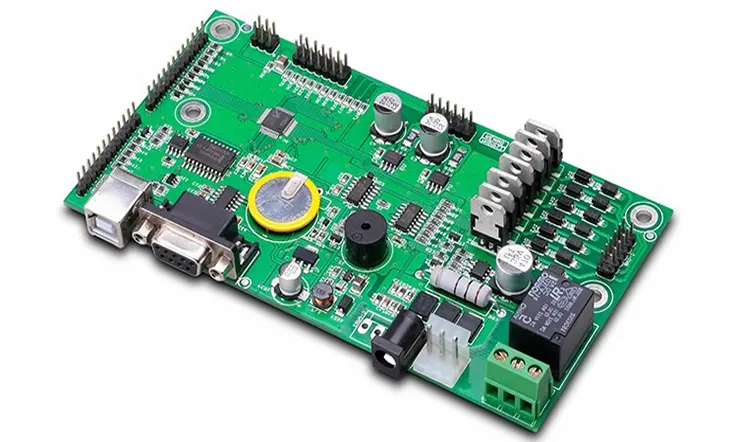
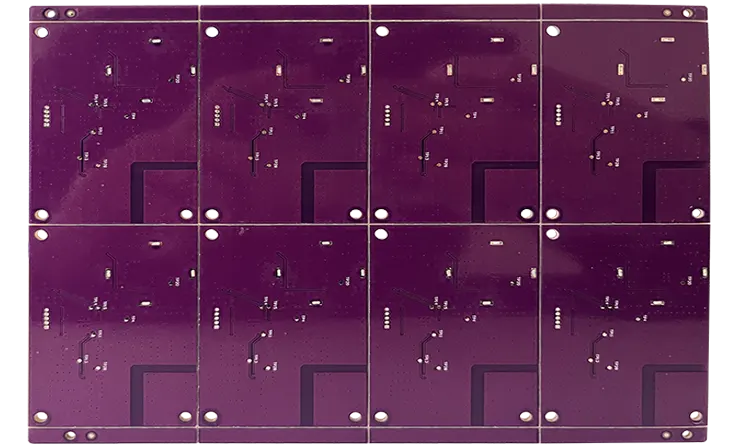
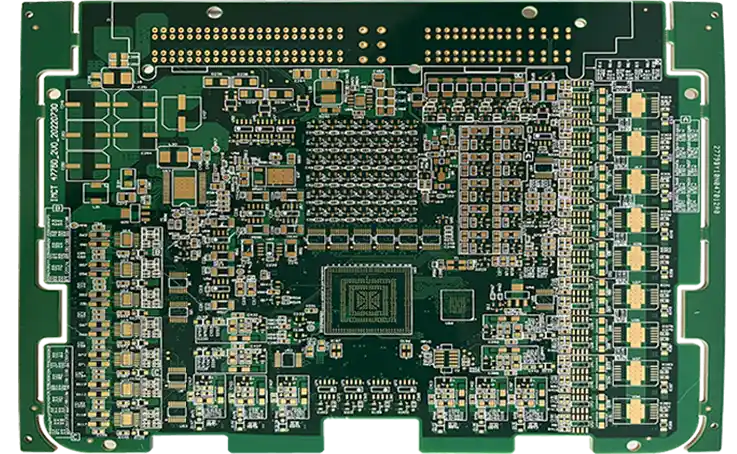
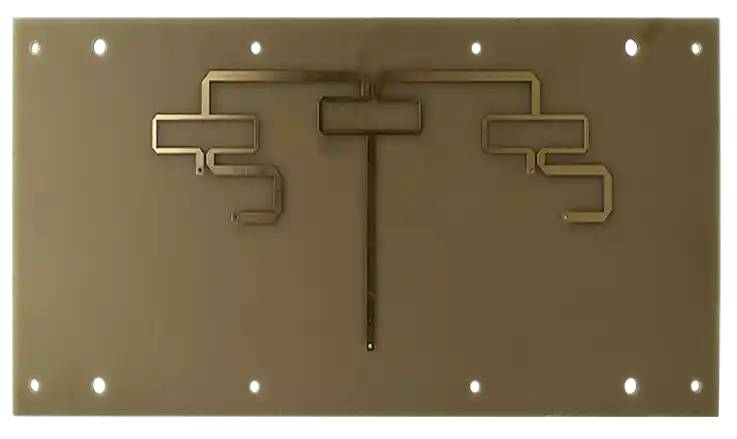
Printed circuit boards (PCBs) are critical components of modern electronic devices, providing a platform for connecting various electronic components and enabling their precise control. The development of a new PCB design requires careful planning, design, and manufacturing, all of which entail significant costs.
PCB non-recurring engineering (NRE) refers to the one-time expenses associated with the development of a new PCB design, including design layout and prototyping, tooling preparation, and other non-recurring costs. These costs are primarily incurred in the early stages of the product development cycle and can have a significant impact on the overall project budget and timeline.
Careful management of PCB NRE is critical to ensuring the overall profitability of the final product. In this article, we will discuss the key factors that affect PCB NRE, strategies for reducing these costs, and best practices for successful management of PCB NRE throughout the product development cycle. By understanding the key considerations involved in PCB NRE, you can make informed decisions that will help ensure the success of your product development efforts while minimizing the associated costs.
What Is Non-Recurring Engineering (NRE) ?
As an electronic manufacturer, NRE, or Non-Recurring Engineering, is a term that refers to the comprehensive investment needed to successfully take a new product project from ideation to large-scale production. This investment covers all costs associated with the development of the new launch, from its conceptual stage to mass production, and it represents a one-time expense.
NRE costs involve all expenses incurred during the pre-production phase, including investments in critical requirements like molding tools, die casting tooling, fixtures and jigs, and test rigs that are necessary to uphold consistent product quality during mass production. It is widely recognized that this stage is pivotal for new launches as the decisions made during pre-production determine the impact of the product on the market.
Understanding NRE costs is crucial for electronic manufacturers when developing a new product. Proper planning, early identification of requirements, and efficient utilization of resources during this phase can help to minimize overall costs while maximizing the success of the product launch.
PCB Non-recurring Engineering
PCB non-recurring engineering (NRE) refers to the one-time costs associated with the development of a new printed circuit board design, ranging from initial concept to final product release. These costs typically include activities such as design layout, prototyping, and tooling preparation, as well as any other non-recurring expenses that may arise during the manufacturing process. The NRE cost is a significant factor in any PCB design project, and it should be carefully managed to ensure the product’s overall profitability.
What Is the PCB NRE Cost ?
As a PCB manufacturer, NRE (Non-Recurring Engineering) is an essential charge that incorporates the development, design, and testing of new PCB designs, in addition to up-front costs incurred during the design and manufacturing of a new product. This charge is an inevitable part of any PCB manufacturing process.
It is crucial to budget and plan for NRE costs as part of the project plan. This charge includes the cost of labor, materials for prototypes, and testing products, as well as expenses incurred during pre-production requirements and activities, encompassing all software and electronics development.
It’s important to note that NRE is a one-time cost. Hence, every process and material should undergo thorough review and analysis to ensure that the NRE cost accurately reflects the production or unit cost of the product.
To ensure that NRE expenses are correctly allocated, PCB manufacturers must prioritize proper planning, early identification of requirements, and efficient use of resources during the design and development phase. This approach will help to minimize overall costs and maximize the chances of a successful product launch.
PCB NRE Cost Estimation and Factors Affect
PCB NRE cost estimation is a critical aspect of the PCB NRE process. The following are some of the factors that can affect the cost of a PCB NRE project:
● Complexity of the design: The more complex the PCB design, the more time and resources required to develop it, which can increase the NRE cost.
● Prototype iterations: If multiple iterations are required for a PCB design, this can increase the overall NRE cost.
● Materials: The type of materials used for the PCB can affect the NRE cost. For example, specialty materials or high-grade copper can be more expensive.
● Labor costs: The cost of the labor required to design and manufacture the PCB can be a significant factor in the NRE cost estimation.
● Testing requirements: The more rigorous the testing requirements for a PCB design, the more expensive the NRE cost can be.
● Tooling costs: Tooling costs, such as the cost of making a steel stencil for the PCBs, can also be a factor in NRE cost estimation.
Accurate NRE cost estimation is important to ensure that a PCB NRE project is completed within budget and on time.
What Are the Common PCB Non-recurring Engineering Costs ?
As a PCB design engineer, it’s important to have a comprehensive understanding of NRE (Non-Recurring Engineering) charges and tooling costs in the PCB industry. NRE costs in PCB manufacturing are divided into two categories, covering non-recurring engineering tooling costs and programming expenses. It’s worth noting that these costs are not based on the main regular cost of the NRE.
Non-recurring engineering tooling cost is unique to each customer and is added to the regular NRE cost for that particular customer. This cost covers tools that are crucial for specific customer orders, including metals, press-fits, artworks, stencils, jigs, and other important tools.
The tools used in NRE tooling are highly selective, and the expenses required for them are non-recurring. They are mainly used to design products as per customer requirements. After completing the design process, the customers receive their orders.
● Programming: In PCB manufacturing, a setup fee, also known as “programming costs,” is necessary when programming machines for producing a specific PCB. This fee covers the labor and time required to program the machines, and it is a non-recurring cost. Once the programming is completed, the contract manufacturer can use the programmed data to produce the PCBA.
To accurately calculate the NRE cost in PCB manufacturing, programming costs play a crucial role. It’s worth noting that these costs vary based on the complexity and particular needs of the PCB designs. As such, careful planning, efficient utilization of resources, and early identification of programming requirements can help to minimize the overall cost and ensure successful product launches.
● Tooling: In the PCB manufacturing process, specific tools are collected, and their costs are added up to form the NRE (Non-Recurring Engineering) cost. These tools include fixtures, metals, stencils, artwork, among others, and are made specifically for a particular product and customer. For example, solder stencils are unique and can only be used for one type of circuit board, making them like fingerprints.
Once a stencil is designed and fabricated for a specific PCB, there’s no need to make new stencils to continue manufacturing the assembly. However, the tooling cost is often the most complicated item when it comes to circuit board production as it constitutes a significant portion of the overall NRE cost.
It is essential to note that consistency is a vital factor when calculating tooling costs. Some engineers make the mistake of assuming that the PCBs involved in a project require multiple layers, leading to an overestimation of the tooling cost.
Therefore, as a PCB design engineer, careful planning, meticulous identification of project requirements, and effective utilization of resources is imperative in managing the tooling cost.
Strategies for Minimizing PCB NRE
Minimizing non-recurring engineering (NRE) costs associated with printed circuit board (PCB) manufacturing is a crucial aspect of any successful PCB design project. Implementing effective strategies for reducing NRE costs can help ensure that a project stays within budget and meets its timeline goals. Here are some strategies for minimizing PCB NRE costs:
● Choose a PCB fabrication company that offers comprehensive design support and has a thorough understanding of the nuances of PCB design and fabrication. This way, the fabrication company can work collaboratively with the design team to identify and address any potential design or manufacturability issues early in the development process, helping to minimize the need for design iterations.
● Optimize your design for manufacturability. This involves designing your PCB layout in a way that simplifies the manufacturing process, minimizes the use of specialized tools and materials, and reduces the number of necessary fabrication steps. By designing a board layout that is simpler and easier to manufacture, you can minimize the costs associated with tooling preparation and production runs.
● Use simulation and testing tools to identify any potential design or manufacturing issues early in the product development cycle. This approach helps avoid expensive design iterations later in the process, reducing NRE costs.
● Consider using off-the-shelf or pre-validated components in your PCB design rather than creating custom components from scratch. This can help reduce the design complexity and number of unique parts, ultimately simplifying the manufacturing process.
● Engage in value engineering activities that focus on optimizing the balance between design function, performance, and cost. This can help identify areas where cost savings can be achieved without sacrificing quality.
By implementing these strategies, you can reduce PCB NRE costs and help ensure that the design project stays within budget and timeline goals. Working collaboratively with both the design and manufacturing teams can further streamline the process and help minimize the risk of costly design iterations and fabrication errors.
Why Choose JarnisTech ?
● In the Printed Circuit Board (PCB) industry, the Non-Recurring Engineering (NRE) cost is an important factor that affects the success or failure of a product launch. The NRE cost comprises the NRE tooling and programming costs, which are necessary to provide a design in the orders. JarnisTech PCB stands out from normal PCBs by offering a greater number of tools to customers. Additionally, JarnisTech PCB provides two ways to pay the NRE cost: breakout and amortization.
●The breakout payment method requires customers to pay the entire NRE cost before paying the unit cost. This cost includes the NRE tooling cost and programming cost. In contrast, the amortized payment method allows customers to add the NRE cost, including the NRE tooling cost and programming cost, to the unit cost without having to pay the NRE cost upfront. While the breakout payment method is preferred by most customers due to its simplicity, the amortized method can be a viable option for some.
● Investing in the NRE process is crucial for the development of a successful product launch. The quality of machinery and tools used during the pre-production stages significantly impacts the final product’s performance and marketability. Hiring skilled employees, devising sound strategies, and utilizing advanced tools are crucial factors that contribute to the product’s success. Therefore, investing in high-quality products and prerequisites is essential for generating sales and profitability. Neglecting the NRE process can lead to significant losses in the long run.
PCB NRE Design Considerations
PCB NRE design considerations play a crucial role in the success of a PCB project. The following are some of the important considerations related to PCB NRE design:
● PCB layout: The layout of the PCB plays a critical role in its functionality and performance. Designers must consider factors such as signal integrity, power integrity, and thermal management when designing the layout.
● Components: The selection of appropriate components for the PCB is essential to ensure optimal performance and reliability. Factors such as compatibility, availability, and cost must be considered when selecting the components.
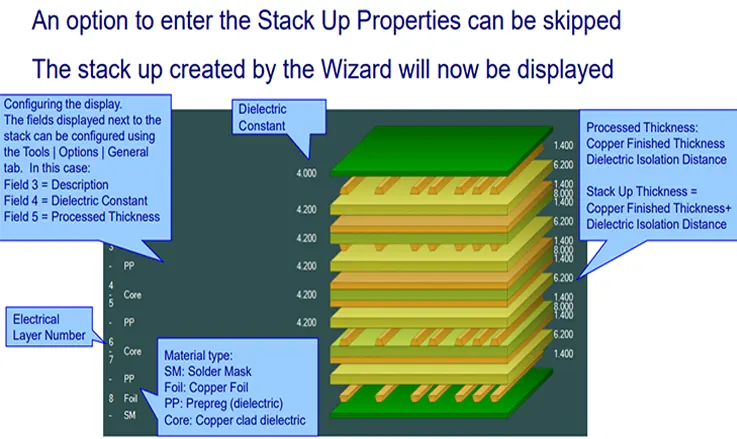
● Materials: The type of materials used for the PCB can impact its performance, reliability, and manufacturability. Designers must consider factors such as thermal properties, dielectric constant, and thermal expansion when selecting materials for the PCB.
● Signal Integrity:Signal integrity is critical in ensuring that the PCB functions as intended. Designers must consider factors such as impedance, routing, and crosstalk when designing the PCB.
● Power integrity: Power integrity is essential to ensure stable power delivery to components on the PCB. Designers must consider factors such as decoupling capacitance, voltage drop, and current carrying capacity when designing power networks on the PCB.
● Thermal management: Effective thermal management is crucial to ensure the reliability of the PCB. Designers must consider factors such as heat dissipation, thermal conductivity, and thermal resistance when designing the PCB layout and selecting materials.
By taking into account these design considerations, designers can create a PCB that meets the performance specifications while also being reliable and manufacturable.
PCB NRE Manufacturing Process
The PCB NRE manufacturing process involves a series of steps, each of which requires specific equipment and expertise. The following are the key steps involved in PCB NRE manufacturing process and the equipment used:
● PCB design: The initial step in PCB NRE manufacturing is the design of the PCB. This step involves the use of specialized software such as Altium, Eagle or KiCAD to create the PCB layout.
● CAM processing: Once the design is complete, the data is converted into a format for manufacturing. This step is called CAM processing, which involves the use of software to generate the necessary manufacturing instructions.
● Pre-production: The next step is the preparation of materials and equipment before manufacturing can begin. This includes the selection of the appropriate materials, the calibration of the equipment, and the setup of the production line.
● Printing: The printing process involves the transfer of the PCB layout onto a laminate substrate using a photosensitive process. Equipment such as a plotter or printer is used to print the layout onto the laminate substrate.
● Etching: The next step is etching, which involves the removal of unwanted copper from the PCB using a chemical process. This process can be done either by hand or using specialized equipment called etching machines.
● Drilling: Once the copper has been etched away, holes must be drilled in the substrate for the insertion of components. This step involves the use of a drilling machine, which can create precise and accurate holes.
● Plating: The plating process involves the deposition of a thin layer of copper over the entire surface of the PCB. This layer serves to protect the circuitry and also helps to improve the conductivity of the PCB.
● Solder Mask: The next step is the application of a solder mask over the PCB. This step involves the use of specialized equipment such as a screen printer or spray gun to apply the solder resist.
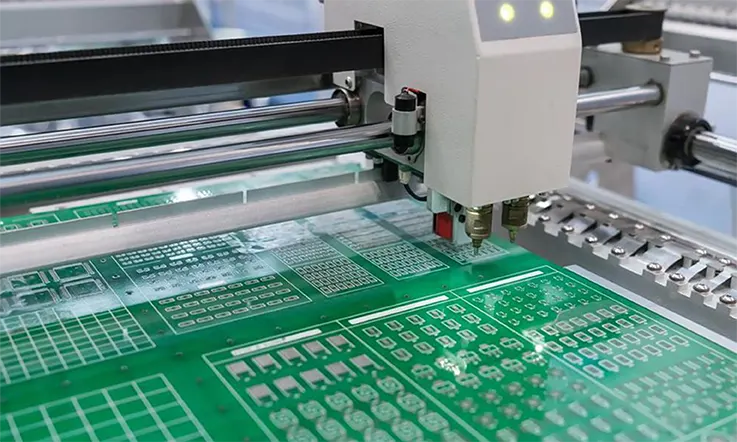
● Component Assembly: The final step is the component assembly, which involves the placement of components on the PCB and their subsequent soldering. This step can be done manually or using automated equipment such as pick-and-place machines or SMT (Surface Mount Technology) machines.
By using appropriate equipment, materials, and techniques, manufacturers can ensure that the PCB is produced to the required specifications.
PCB NRE Quality Control and Testing Methods
Quality control and testing are crucial aspects of the PCB NRE process to ensure that the PCB is manufactured to the required specifications and meets the desired performance and reliability standards. The following are some of the quality control and testing methods used in PCB NRE:
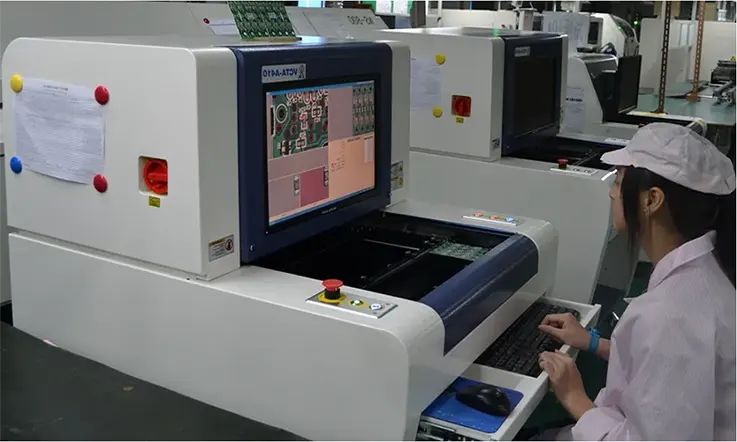
● Visual inspection: Visual inspection is the simplest and most common method used for quality control. It involves the visual inspection of the PCB for defects such as missing components, misaligned components, or soldering defects.
● Electrical testing: Electrical testing is a crucial aspect of PCB NRE. It involves the testing of the electrical properties of the PCB, such as impedance, continuity, and insulation resistance. Electrical testing equipment such as digital multimeters or oscilloscopes may be used to perform these tests.
● Functional testing:Functional testing involves testing the functional aspects of the PCB to ensure that it meets the performance requirements. This testing can be performed manually or using automated equipment and may involve simulating real-world scenarios to test the PCB’s performance.
● Thermal testing: Thermal testing involves subjecting the PCB to temperature extremes to ensure that it can operate reliably in high or low-temperature environments. This testing can be performed using environmental chambers or thermal shock testing equipment.
● X-ray Inspection: X-ray inspection is performed to check internal component and pad connections for accuracy and quality. The equipment used in this process includes x-ray machines.
● In-circuit testing:In-circuit testing involves testing the PCB’s components while powered on to identify defective or faulty components. It includes machine testing as well.
By applying a combination of these testing methods, manufacturers can ensure that the PCB is reliable, functional, and meets the required quality standards.
Case Studies of Successful PCB NRE Management
Effective management of non-recurring engineering (NRE) costs associated with PCB manufacturing is critical to ensuring the profitability and success of any PCB design project. Here are some case studies of successful PCB NRE management:
● CASE STUDY 1: A medical device manufacturer was developing a new PCB design for a specialized diagnostic tool. To minimize NRE costs, the company engaged in an intensive design review process with the PCB fabrication company early in the development cycle. By identifying and addressing potential design issues early on, the company was able to streamline the process and reduce the need for expensive design or fabrication iterations.
● CASE STUDY 2: A consumer electronics manufacturer was developing a new PCB design for a new wearable device. To minimize NRE costs, the company used pre-validated components and off-the-shelf components wherever possible, rather than creating custom components from scratch. This helped simplify the design and manufacturing process and ultimately kept NRE costs within budget.
● CASE STUDY 3: A defense contractor was developing a new PCB design for a complex military communications system. To minimize NRE costs, the company engaged in value engineering activities to identify and optimize the balance between design function, performance, and cost. By identifying areas where cost savings could be achieved without sacrificing quality, the company was able to keep NRE costs within budget.
● CASE STUDY 4: A technology startup was developing a new PCB design for an innovative consumer device. To minimize NRE costs, the company used simulation and testing tools extensively throughout the design process to identify and address potential design and manufacturing issues before they could become more significant problems. This helped streamline the process and minimize the need for expensive design iterations later in the process.
In each of these case studies, effective management of PCB NRE costs played a critical role in the successful development of a new product. By engaging in value engineering activities, using pre-validated components, optimizing designs for manufacturability, using simulation and testing tools, and engaging in an intensive design review process early in the development cycle, these companies were able to keep NRE costs under control and ensure the profitability of their final products.
Future Directions in PCB NRE
In conclusion, PCB NRE design and manufacturing technology has made significant advancements in recent years, driven by advances in materials, software, and manufacturing processes. PCB NRE projects are becoming increasingly sophisticated, with more complex designs, larger board sizes, and the integration of multiple functionalities. As a result, PCB NRE projects are becoming more challenging and require specialized skills and expertise to produce high-quality results.
Future directions in PCB NRE technology include the development of new materials and fabrication techniques. For example, the use of nanomaterials and 3D printing technologies can enable designers to produce PCBs with higher performance, greater functionality and improve thermal management. Additionally, Machine Learning and Artificial intelligence techniques can aid in improving traceability, yields, and throughput.
Summary
As PCB NRE technology continues to evolve, project management practices should evolve to adapt and leverage new technologies that help to improve the efficiency of the design, manufacturing and testing processes. Better approaches in documentation, risk assessment, team collaboration and communication ensure a better success rate in delivering quality products which meet customer need in terms of time, quality and costs.
Now you know what PCB non recurring engineering. Any questions? Ask JarnisTech immediately.
JarnisTech is a leading circuit board manufacturer with an excellent reputation in the industry. As a one-stop-factory for circuit board solutions, JarnisTech provides comprehensive services, from circuit board design to rapid production, to meet the varying needs of their clients. Whether small-scale custom production or mass production is required, JarnisTech can provide satisfactory solutions.
As a comprehensive circuit board company, we not only focuses on producing high-quality products but also maintains excellent communication with clients. Their professional team can provide expertise in circuit board design, production, and logistics. They work with clients throughout the entire production process to ensure that clients’ needs are met. With their knowledge and skills, clients can obtain the most suitable and high quality circuit board.
Radio-frequency identification (RFID) technology has emerged as a game-changer in various industries, including the printed circuit board (PCB) manufacturing industry. RFID technology utilizes radio waves to communicate information between RFID tags and readers, allowing for real-time tracking of a wide range of objects, including PCB components and finished products.
The incorporation of RFID technology in the PCB industry offers manufacturers numerous benefits, including streamlining inventory management, facilitating higher product quality control, improving traceability, and boosting production efficiency. Additionally, RFID technology can provide greater visibility into the supply chain, enabling manufacturers to detect bottlenecks and other inefficiencies and optimize operations accordingly.
Innovations in RFID technology continue to emerge, promising even more advancements and benefits for businesses that use this technology. Specifically within the PCB industry, RFID technology is poised to play an increasingly critical role in shaping the future of the industry. By incorporating RFID technology into their operations, PCB manufacturers can gain a competitive edge and remain at the forefront of innovation in this ever-evolving marketplace.
What Is Radio Frequency Identification(RFID)?
Radio Frequency Identification (RFID) is a wireless communication method that utilizes electromagnetic or electrostatic coupling in the radio frequency range of the electromagnetic spectrum. This process uniquely identifies an item, animal, or person and has the capability to track their location. Essentially, RFID search, identifies, tracks, and communicates with objects and individuals via radio frequency transmissions.
RFID is a technology that retrieves data using digital encoding from an RFID tag, and this information can be read using a reader. During this process, the device functions as a tag or label that is readable by a reader. Unlike traditional barcodes and QR codes, RFID functions by transmitting information wirelessly and through the internet. RFID can be applied using either passive or active methods and provides the ability to read from a concealed location. The collected data is then stored in a database for later retrieval.
Radio-Frequency Identification (RFID): Types
There are two types of such tags:
Active RFID
The apparatus comprises radio frequency identification (RFID) tags that are powered by a connected power supply for transmitting a signal. Concurrently, the apparatus also incorporates an antenna to facilitate the reception of data.
In the case of an active tag, it employs a dedicated power source such as a battery to enable autonomous operation without requiring energy from the source or reader. Therefore, the active tag’s circuitry can operate continuously without the dependence on external power supply, manifesting a self-dependence on its own specialized power source.
Passive RFID
Passive RFID tags, unlike their active counterparts, are not designed with an independent power supply and instead rely on power from the reader. The RFID tags integrated within this apparatus do not have a direct connection to a power supply, and passive RF tags store their energy and utilize it when exposed to emitted power from active antennas and RF tags. Such power is transmitted over specific frequencies as per standards, with low frequency utilizing the 125-134 MHZ range, high frequency employing the 13.56 MHZ range, and ultra-high frequency using the 856 MHZ to 960 MHZ range.
Unlike barcodes, RFID tags do not require direct line-of-sight with the reader and thus can be embedded into the item under surveillance. This enables Automatic Identification and Data Capture (AIDC) through the use of RFID technology.
How Does RFID Work?
Automatic Identification and Data Capture (AIDC) encapsulates several technologies, which includes radio frequency identification (RFID). AIDC techniques, utilizing radio waves, automate the identification of items, extract data, and seamlessly feed the collected information into computer systems with minimal or no human intervention. The primary components of an RFID system are an RFID tag (smart label), an RFID reader (interrogator), and an antenna.
An RFID tag features an integrated circuit and an antenna that facilitate the transmission of data to the RFID reader. Upon capture, the radio waves are converted to an easy-to-use data format by the reader. The data accumulated by the tags is accessed via a communications interface and transmitted to the host computer system. Here, it gets stored in a database for future retrieval and analysis.
Features of RFID
Radio Frequency Identification (RFID) offers various features, including:
● Automation: RFID allows for the automation of data collection and management with minimal human intervention, making it an efficient and cost-effective solution for businesses.
● Non-line-of-sight: As RFID utilizes radio waves, it does not require direct line-of-sight between the reader and tag, making it ideal for monitoring items in difficult-to-reach or cluttered environments.
● Multiple tag reading: RFID technology enables the simultaneous reading of multiple tags by a single reader, making it easy for businesses to track large numbers of items accurately.
● Data storage capacity: RFID tags have varying data storage capacities, ranging from just a few bytes to several kilobytes, allowing for the storage of various types of data, including product information, shipping details, and historical maintenance records.
● Long-range reading: RFID is capable of long-range reading, enabling scanning of multiple tags from a distance of several meters, making it ideal for use in applications like warehouse management and logistics.
● Real-time data capture: RFID enables real-time data capture and analysis, providing businesses with up-to-date information on inventory levels, location, and condition of goods, which can be used to optimize operations and improve supply chain efficiency.
Advantages of RFID
Advantages of Radio Frequency Identification (RFID) technology include:
● Increased productivity and efficiency: RFID eliminates the need for manual data entry, reducing labor costs and errors in data collection. This streamlines processes, saves time, and improves accuracy, leading to increased productivity and efficiency.
● Improved inventory management: RFID enables real-time tracking and monitoring of inventory levels, providing accurate and up-to-date information on product availability, location, and condition. This leads to improved inventory accuracy, better demand forecasting, reduced stock-outs, and overstocking, ultimately lowering costs and improving customer satisfaction.
● Enhanced security: RFID can be used to prevent theft and unauthorized access to assets such as equipment, vehicles, or high-value items. It also offers the ability to track the movement of goods throughout the supply chain, reducing the risk of counterfeiting and tampering.
● Increased supply chain visibility: RFID provides end-to-end visibility across the supply chain, enabling businesses to track products from manufacturing to delivery. This improves supply chain visibility and transparency, leading to increased efficiency, reduced errors, and improved vendor management.
● Cost savings: RFID can help businesses reduce costs by improving processes, lowering labor costs, and reducing inventory expenses. RFID can also help minimize losses due to theft, damage, or spoilage, ultimately leading to improved profitability.
● Versatility: RFID technology can be employed in a variety of applications across a range of industries, from inventory and asset management to logistics and healthcare.
Disadvantages of RFID
Radio Frequency Identification (RFID) technology has a few potential disadvantages, including:
● High initial investment: Implementing an RFID system requires significant investment in hardware, software, and infrastructure such as readers, antennas, and middleware. These costs can be prohibitively high for some businesses, especially small to medium-sized enterprises.
● Limited reading capabilities: Although RFID has a longer range than other automatic identification technologies, it still has limitations in reading range and may struggle with metal or liquid products or products with a high water content.
● Privacy concerns: RFID raises concerns around personal privacy and data protection, as tagging of consumer goods or tracking of individuals can lead to concerns about the misuse of personal information.
● Interference with other systems: RFID operates on radio frequencies, which can potentially interfere with other electronic systems in the vicinity. This could lead to system failure or malfunction, especially in sensitive environments such as hospitals or aircraft.
● Standardization: Lack of standardized protocols can be a barrier to the implementation of RFID solutions, especially in global supply chains where teams need to integrate data from multiple sources into a single system.
Application of Radio Frequency Identification (RFID)
RFID tags have proven to be versatile tools, finding their way into a wide array of business sectors. In the automotive industry, RFID tags attached to vehicles during production enable performance monitoring along assembly lines, while the tracking of RFID-tagged medications as they move through warehouses ensures efficient inventory management. Microchipping pets and livestock also facilitates identification. Furthermore, retailers take advantage of these tags to speed up checkout processes, bolster security, and discourage theft by customers and employees.
Given their ability to track valuable assets, commodities, and living creatures, RFID tags give rise to legitimate concerns regarding privacy and data protection. In response to these apprehensions, standard specifications have been created to address security and privacy issues.
To avoid traceability, reader and tag authentication, and over-the-air privacy concerns, on-chip cryptography is utilized in the ISO/IEC 18000 and ISO/IEC 29167 standards. These standards also address digital signatures for use with RFID and barcodes to ensure the data’s legitimacy, its source, and its read method. This work is carried out within the ISO/IEC JTC 1/SC 31 Automatic identification and data capture techniques working group.
In the electronics industry, UHF RFID label tags are attached to finished products after the assembly process. A new approach enables the direct integration of PCB RFID label tags at earlier production stages.
Implementing PCB RFID tags provides detailed tracking information to management, allowing for precise identification of specific printed circuit boards and facilitating efficient inventory tracking and identification of production bottlenecks.
Benefits of RFID in PCB Industry
In the recent past, Radio Frequency Identification (RFID) technology has made remarkable advances, leading to substantial benefits across various industries. One sector that has shown growing interest in RFID adoption is the Printed Circuit Board (PCB) industry. By incorporating RFID technology into the production process, PCB manufacturers can improve efficiency, enhance quality control, and increase traceability.
The follow is benefits of RFID technology in the PCB industry:
● Streamlined Inventory Management: The implementation of RFID tags in PCB production simplifies inventory management by providing real-time monitoring of components and finished products. These tags contain vital information such as component specifications, serial numbers, and manufacturing dates, enabling efficient tracking and control over inventory levels. Additionally, RFID tags provide enhanced visibility into the supply chain, enabling manufacturers to detect bottlenecks and other inefficiencies and optimize operations accordingly.
● Enhanced Quality Control: In the PCB industry, ensuring quality control is of utmost importance, as faulty products can result in device malfunctions or hazardous situations. RFID technology is a valuable tool in enhancing the quality control process by enabling continuous monitoring of PCBs throughout the production lifecycle. This real-time tracking capability aids manufacturers in promptly detecting defects or inconsistencies, allowing for timely rectification before they cause significant disruptions or safety concerns.
● Improved Traceability: The integration of RFID technology allows PCB manufacturers to meticulously trace every phase of the production process. This heightened traceability capability empowers manufacturers to swiftly identify the source of defects or quality concerns, which in turn enables swift resolution and minimizes the possibility of future issues. Additionally, this enhanced traceability assists manufacturers in upholding industry regulations and standards while providing valuable product data to customers regarding their products’ manufacturing history.
● Reduced Labor Costs: One of the significant advantages of RFID technology is the ability to automate data collection and effectively manage inventory. By eliminating the need for manual tasks such as barcode scanning or manual counting, PCB manufacturers can realize significant cost savings. In addition, the automation of these labor-intensive tasks can reduce human error in inventory management and quality control processes, leading to improved efficiency and accuracy.
● Increased Production Efficiency: RFID systems can be instrumental in optimizing production processes by providing up-to-date information on component availability and location. This enables manufacturers to plan their production schedules more effectively, resulting in greater efficiency. By utilizing RFID technology, businesses can decrease lead times and make better use of resources, resulting in improved profitability.
● Enhanced Security: RFID technology can also bolster security within the PCB manufacturing process by limiting access to specific areas or components. This additional security measure can assist in safeguarding intellectual property, preventing unauthorized entry, and maintaining the sanctity of the manufacturing process.
Challenges of RFID implementation in PCB Industry
There are several challenges associated with the implementation of RFID (Radio Frequency Identification) technology in the PCB (Printed Circuit Board) industry, including:
● Cost: The cost of implementing an RFID system can be high, especially for small and medium-sized PCB manufacturers, and integrating it into existing systems may require significant investment.
● Compatibility: RFID technology may not be compatible with all types of products or materials used in the PCB industry, which can make it difficult to implement across the supply chain.
● Interference: The use of RFID in the PCB industry may be hampered by interference from other electronic devices or materials that can block or hinder radio signals.
● Data Management: RFID generates large volumes of data, and managing and analyzing this data can be challenging without the proper infrastructure and tools.
● Privacy and Security Concerns: The use of RFID technology raises concerns about privacy and security as data can be intercepted or stolen during transmission or storage.
Overcoming Challenges with Proper Planning and Implementation
Overcoming challenges associated with implementing RFID (Radio Frequency Identification) technology in the PCB (Printed Circuit Board) industry requires proper planning and implementation, including:
● Cost-effectiveness: By conducting a cost-benefit analysis, manufacturers can determine the potential benefits of RFID technology, identify areas where it can be implemented most cost-effectively, and explore options for financing the investment in RFID.
● Compatibility: Conducting a thorough review of the types of materials, processes, and products will be used in PCB manufacturing before implementing RFID can help ensure compatibility and reduce the risk of issues arising.
● Interference: Manufacturers can work with technology vendors to identify and address interference caused by other electronic devices, materials, or environmental factors that could impact the performance of RFID.
● Data Management: Proper planning and implementation of an RFID system should include the development of a data management plan, including how data will be collected, processed, stored, and analyzed.
● Privacy and Security Concerns: Addressing privacy and security concerns should be part of the planning and implementation process, including measures in place to protect confidential data.
Case Studies and Success Stories of RFID in PCB Industry
There are several successful implementations of RFID (Radio Frequency Identification) technology in the PCB (Printed Circuit Board) industry. Here are a few examples of case studies and success stories:
● JarnisTech: JarnisTech, a global PCB manufacturing services company, implemented an RFID-based material tracking system that uses mobile devices to track the location and status of materials at each stage of production. This system helped reduce search time for misplaced materials, improve inventory accuracy and reduce inventory levels by 25%.
● Sanmina-SCI Corporation: Sanmina-SCI, a contract manufacturer of electronics, implemented an RFID-based system for tracking and managing inventory of materials in their PCB manufacturing operations. The system provided real-time visibility into inventory levels and reduced inventory inaccuracies by 90%, leading to a significant reduction in overall manufacturing costs.
● Motorola Solutions: Motorola Solutions, a provider of mission-critical communications and analytics solutions, implemented an RFID-based system to track and manage inventory levels of components used in their PCB manufacturing processes. The system enabled real-time tracking of inventory, reducing the incidence of stock shortages and minimizing lead times.
● Intel Corporation: Intel implemented an RFID-system for tracking the production status of PCBs on production lines. The system reduced the incidence of operator errors and provided real-time visibility into production status, leading to improved quality and increased productivity.
Overall, these case studies demonstrate the potential benefits of RFID technology in the PCB industry, including enhanced inventory management, improved quality control and operational efficiency, and reduced costs.
Future of RFID in PCB Industry
The future of RFID in the PCB industry is promising, with advancements in technology and the increasing demand for more efficient and reliable manufacturing processes. Some possible future developments include:
● Integration with the Internet of Things (IoT) for real-time data tracking and monitoring.
● Increased use of RFID-enabled sensors for temperature, humidity, and vibration monitoring during production and shipment.
● Use of RFID in combination with other technologies like AI and machine learning for predictive maintenance and quality control.
● Adoption of more secure RFID implementations for preventing counterfeiting and enhancing supply chain security.
● Emergence of new applications for RFID-based systems in the PCB industry, such as smart packaging and asset tracking.
Conclusion
RFID (Radio Frequency Identification) technology has the potential to revolutionize the PCB (Printed Circuit Board) industry by improving inventory management, enhancing production processes, increasing traceability and product visibility, and enhancing quality control. However, the implementation of RFID technology in the PCB industry does face challenges such as cost, compatibility, interference, data management, and privacy concerns, which need to be addressed, through proper planning and implementation.
As demonstrated by several successful case studies and success stories, implementing RFID technology in the PCB industry can lead to significant improvements in efficiency, productivity, and cost reductions. Hence, with continued advancements in RFID technology and increased awareness of its benefits, the adoption of RFID technology in the PCB industry is likely to continue to grow in the future.
Therefore, as technology advances, PCB manufacturers can anticipate further benefits, establishing RFID technology as a pivotal element in the industry’s progression and continued success. By embracing and implementing RFID technology, PCB manufacturers can maintain a competitive edge and spearhead innovation in this constantly evolving marketplace.
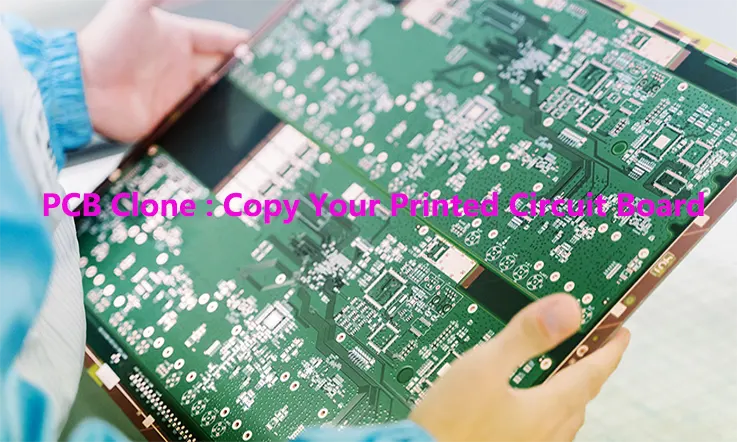
Printed circuit boards (PCBs) are an essential part of many electronic devices, from smartphones and laptops to medical equipment and automotive systems. PCBs can be complex and expensive to design, so some companies or individuals may opt to try to clone an existing PCB instead of designing a new one from scratch. PCB cloning involves analyzing and reproducing an existing circuit board, so it looks and works the same as the original. Cloning can be a cost-effective way to produce additional copies of a PCB design, but it is important to be aware of the potential legal and ethical issues surrounding PCB cloning.
In this article, we will explore the process of PCB cloning and discuss some of the considerations that should be taken into account before embarking on a PCB cloning project.
What Is PCB Clone ?
PCB clone, also referred to as PCB duplication or PCB duplicate, involves using reverse engineering technology to create an exact copy of an existing printed circuit board. The process typically entails two steps – creating the Bill of Materials (BOM) and duplicating the schematic diagrams of the original circuit board, as well as understanding the design parameters and manufacturing protocols. You are not required to provide PCB Gerber files, as electronic specialists will analyze the files to deduce the PCB’s design and generate a replica board.
By using PCB cloning, the original PCB board can be replicated and installed in an electronic device, thereby eliminating the need to design and fabricate new circuit boards from scratch. This means that you can copy the entirety or a percentage of the printed circuit boards without affecting their performance, thus providing you with enhanced flexibility and the ability to produce infinite boards as per your preferences.
Moreover, electronic manufacturers can utilize the PCB clone method to streamline labor, cutting down on the amount of time and money spent in redesigning circuit boards. Furthermore, it allows replacement of electronic components that are no longer operating efficiently. Reverse engineering is a vast improvement compared to traditional manufacturing methods, thereby making the PCB clone process highly beneficial for the contemporary electronic industry. At JarnisTech, we are dedicated to providing superior PCB cloning services that align with the highest industry standards to ensure.
Types of PCB Clone
There are two main types of PCB clone:
● Hard Copy Cloning: Also known as physical or traditional cloning, this method involves physically reproducing the original PCB by scanning, tracing, or manually copying the layout and connections onto a new board.
● Digital Cloning: Also known as reverse engineering, this method involves creating a digitized copy of the original PCB by scanning it with a 3D scanner or converting the PCB layout files into a digital format that can be used to reproduce the board.
The PCB cloning service is a streamlined process that aids in the creation of a precise electronic circuit board layout without the need for a time-consuming board design process. PCB cloning also has the potential to result in significant cost savings for individuals and businesses.
At JarnisTech, we understand the importance of providing high-quality PCB cloning services that meet our clients’ unique requirements. Our team of experienced professionals and use of advanced technology ensures that the PCB cloning process is efficient and cost-effective, delivering top-grade PCBs that align with the industry’s highest standards.
How Many Steps Clone PCB Boards ?
The process of cloning a PCB is a streamlined and automated operation that requires specific tools and components.
Before commencing the PCB cloning process, it’s crucial to have a Bill of Materials (BOM) and a copy of the circuit schematics. Additionally, you need to select a research method that suits your specific requirements from a wide range of options.
In terms of tools, it’s necessary to have an AutoCAD program, a computer, a scanner, and a PROTEL99 to streamline the process of PCB cloning. These essential tools ensure that the method of reverse engineering is carried out efficiently and effectively, delivering precise PCB replicas that function seamlessly.
PCB Clone Steps
The process of cloning a PCB involves a series of specific steps that require attention to detail and accuracy to achieve optimal results.
When cloning, the actions listed below should be followed in order:
● Initially, you must remove all active components from the PAD hole and the tin, followed by cleaning the board using an ultrasonic cleaner. Afterward, place the empty board on the scanner and scan it horizontally, ensuring that the brightness and contrast settings are correct for viable image quality.
● The next step is to import the scan into Photoshop, where both bottom and top screen-printing techniques are comparable. Buff the surface of both top and bottom layers of the board using paper yarn and then use Photoshop to perform a color sweep across both layers.
● At this point, it’s necessary to adjust the brightness, lightness, and contrast of the image to check for clear image lines. If the image is unclear, either restart the process or utilize Photoshop to adjust the sketch. If the image is clear, save it as a black and white BMP file.
● The BMP files must then be converted into a PROTEL file using PROTEL99, followed by generating two levels using the PROTEL file. Open both imported CAD files and using the image of the PCB as a reference, transfer the component package into the CAD program, position the pads and vias in the appropriate locations and measure the pads’ outer and inner dimensions.
● Next, draw a line on the TOP Layer to install the device, erase the silk layer, convert the PCB to PROTEL, combine the two diagrams into one, and print both layers onto transparent film in a 1:1 ratio. Position the film over the board and check for any errors.
● Finally, test the cloned PCB to ensure it functions like the original. Please note that cloning a PCB requires expert attention to detail and accuracy, and alternatively can be carried out by a professional PCB clone service provider. At JarnisTech, we offer top-quality PCB cloning services that guarantee superior results and customer satisfaction.
Precautions When Cloning a PCB
Here are some precautions to take when cloning a PCB:
● Obtain the latest version of the PCB layout files and make sure there are no errors or inconsistencies before beginning the cloning process.
● Use high-quality materials and components to ensure the cloned PCB performs as well as the original.
● Take accurate measurements of the original PCB and use a digital caliper to ensure the cloned PCB matches the dimensions precisely.
● Use a high-quality scanner or camera to obtain an accurate image of the original PCB layout.
● Make sure you have the appropriate software and skills necessary to recreate the original PCB. PCB layout software such as Eagle PCB, Altium Designer and KiCad are all good options.
● Double-check the connection and component placement before finalizing the design.
● Verify the cloned PCB works as intended by testing it with the original device and observing its performance.
● Take care when soldering to ensure all components are correctly mounted and there are no short circuits.
● Always wear appropriate personal protective equipment when handling PCB materials and chemicals, such as gloves, eye protection, and a respirator if necessary.
● Dispose of any waste materials safely and responsibly.
Examples of PCB Cloning in Various Applications
Here are some examples of PCB cloning in various applications:
● Electronics repair: PCB cloning is commonly used in electronics repair, where a faulty circuit board can be replicated, tested, and replaced without having to develop a new design.
● Automotive industry: PCB cloning is used in the automotive industry to replicate legacy systems, such as engine control units (ECUs) or body control modules (BCMs), for repairing or replacing aging vehicles.
● Aerospace industry: PCB cloning is used in the aerospace industry to replicate circuit boards used in flight control systems or communication systems. This ensures consistency in the performance of the systems across different missions.
● Medical devices: PCB cloning is used in the medical device industry to replicate circuit boards for repairing or replacing aging or obsolete equipment, such as patient monitors, infusion pumps, or diagnostic instruments.
● Military and defense: PCB cloning is used in military and defense applications to replicate circuit boards for repairing or upgrading legacy systems, such as communication devices or missile guidance systems.
● Consumer electronics: PCB cloning is used in the consumer electronics industry to replicate circuit boards for repairing or upgrading various devices, such as smartphones, laptops, and gaming consoles.
In each of these examples, PCB cloning allows for the replication of existing circuit board designs, saving time and reducing costs, while ensuring consistency and performance in critical applications.
Advantages of PCB Clone
The field of engineering stands to gain several benefits from the utilization of reverse engineering methods, such as examining present designs, recreating outdated products, and producing cost-effective alternatives. PCB cloning services from Jarnis Technology can provide a range of benefits and advantages, including:
●Customization: Our PCB cloning service enables customers to fully customize their electronic circuit board to meet their specific requirements.
●Reduced time and cost: We employ advanced technology and reverse engineering methodologies to deliver PCB cloning services that are efficient and cost-effective.
●Improved efficiency: Our PCB cloning services help improve your electronic devices’ performance by enabling the replacement of obsolete PCBs with modern, cloned PCBs that function optimally.
●Enhanced flexibility: With the provision of multiple cloned PCBs, customers can develop a range of products that require electronic circuit boards.
●Access to expert knowledge: Jarnis Technology has a team of qualified engineers and professionals that can provide expert guidance and support throughout the PCB cloning process.
Disadvantages of PCB Clone
Here are some possible disadvantages of PCB clone:
●Limited flexibility: PCB clone recreates an exact copy of an existing PCB, which means that you have limited flexibility to modify the design or circuits. You may be limited to the components used in the original board, which may not be the most efficient or cost-effective solution for your needs.
●Intellectual property concerns: PCB clone may raise intellectual property (IP) concerns, particularly if the original PCB is protected by patents or copyrights. Reproducing a PCB design without permission may lead to legal issues and affect your reputation.
●Quality issues: PCB cloning may result in quality issues if the original PCB is damaged or has errors. It may be difficult to identify and correct these issues, leading to performance problems or malfunctions.
●Compatibility issues: PCB clone may have compatibility issues with newer components or technologies, which may not have been available or widely used when the original PCB was designed.
●Time-consuming: PCB clone may still take a significant amount of time to complete, particularly if you need to reverse engineer the original PCB design or identify and resolve issues with the reproduction.
●Cost: PCB clone may be cheaper than creating a new PCB from scratch, but it may still be more expensive than other repair or replacement options, particularly if the original PCB is obsolete or hard to find.
How Does PCB Cloning Help in PCB Development and Redesign ?
Printed circuit board (PCB) cloning is a contemporary information technology application that employs reverse engineering methodologies to build PCB design boards. While creating a new PCB product from scratch typically requires a significant amount of time, PCB redesigning has become a more straightforward process thanks to advancements in printed circuit board cloning techniques and reverse engineering approaches.
Given the rapid pace of technological advancement, electronic components must be upgraded frequently, yet conventional PCB design methods often struggle to accommodate such ongoing improvements. Hence, the adoption of PCB reverse engineering is rapidly increasing in new high-tech systems.
As a result, modern PCB design engineering is embracing reverse engineering techniques such as cloning to enable the reproduction and upgrading of existing PCBs effectively. This way, PCB redesigning can be achieved efficiently, enabling electronic component upgrades to occur promptly.
How to Operate for Your PCB Cloning Project ?
● To initiate your PCB cloning project, please send sample photos to [email protected] where our proficient engineers will offer a preliminary estimate of the cost. If you have the project specifications, kindly inform us, or alternatively, provide clear photographs of the integrated circuits.
● Once you submit your sample (two samples if possible), our team will evaluate and offer an accurate price quote. It’s worth noting that some ICs need a program crack, which we will separate and quote accordingly.
● From here, we commence the PCB cloning process, and upon completion, which includes a thorough quality control check, we will email you the Gerber files, the schematic diagram, and the Bom List (if applicable). At JarnisTech, we aim to offer seamless PCB cloning services that meet and exceed customer expectations.
Now that the PCB cloning process has been completed, we will swiftly begin the process of producing the circuit board as per your requirements.
Printed circuit boards (PCBs) are an integral component of modern electronic devices, and their demand has risen due to advancements in electronic gadget manufacturing. As a result, manufacturers are currently producing a fresh batch of PCBs to meet the ever-increasing needs of electronic designers.
Cloning PCBs holds immense significance for various reasons, one of which is replacing obsolete PCBs for which there are no longer supplies available. In the industry, one of the significant challenges is replacing outdated PCBs with modern ones in high-frequency applications. Therefore, it is crucial to understand the PCB cloning process, its benefits, and how it operates to comprehend the significance of the PCB clone service.
At JarnisTech, we strive to provide an efficient and dependable PCB cloning service that meets our clients’ specific needs. We employ state-of-the-art technology and the latest procedures to ensure that our cloned PCBs function exceptionally well, and deliver timely customized solutions to our customers.
What Techniques Are used to PCB Clone ?
Here are some common techniques used in PCB cloning:
● Visual inspection: This involves closely examining the physical characteristics of the original circuit board, including the layout, component placement, and trace routing, to obtain a visual representation of the board.
● Schematic tracing: This involves tracing the electrical connections on the original circuit board to create a schematic diagram of the circuit design.
● Reverse engineering: This involves creating a detailed CAD file of the circuit board from a physical board, either manually or through software-aided techniques.
● Circuit testing: This involves verifying the functionality of the original circuit board through various tests, such as functional testing, boundary scan testing, or flying probe testing.
● Component identification: This involves identifying the specific components used in the original circuit board and obtaining equivalent or compatible components for use in the cloned board.
● Soldering and assembly: This involves soldering the components onto the cloned PCB and assembling it into a functional electronic system.
In general, a combination of these techniques is used to recreate a functional replica of the original circuit board design with a high degree of accuracy and reliability. The specific techniques used may vary depending on the complexity of the circuit and the required level of precision needed for the cloned board.
Comparison of PCB Clone with Other Similar Techniques
Here’s a brief comparison of PCB clone with other similar techniques:
● PCB Replication: PCB replication involves creating a new board that is functionally equivalent to the original board. Like PCB clone, replication replicates the layout and interconnections of the original board, but it doesn’t attempt to create a copy that is identical in all aspects. Replication is generally faster and less expensive than clone, but may require more processing power due to slight variations in the layout.
● PCB Design Modification: PCB Design Modification involves making changes to an existing PCB layout to add new features, improve functionality or optimize form factor. While PCB clone attempts to reproduce a board exactly, PCB Design Modification can be used to improve the design in various ways.
● PCB Layout Reuse: PCB layout reuse refers to the process of taking an existing PCB layout and reusing it for a new design. This can save time and money compared to creating a new layout from scratch, but it assumes that the existing layout meets the needs of the new design. Unlike PCB clone, layout reuse doesn’t require creating a duplicate of the original board.
As a result, PCB clone is best suited for cases where an identical or modified copy of the original PCB is required for repair or replacement purposes. Other methods such as PCB replication, design modification, and layout reuse are better for cases where only certain aspects of the original PCB need to be replicated or modified.
Differences between PCB Clone and PCB Design
Here are some possible differences between PCB clone and PCB design:
● PCB clone is the process of duplicating or reproducing an existing printed circuit board (PCB) while PCB design involves creating a new PCB layout from scratch.
● PCB clone uses an existing PCB as a reference or blueprint, while PCB design starts with a product specification and requires designing all PCB details from scratch.
● PCB clone aims to recreate an exact copy of an existing PCB, while PCB design has more flexibility to modify the circuit and layout to fit specific requirements.
● PCB clone may be used for various reasons such as replacing broken parts or updating outdated designs, while PCB design is typically used for creating new and innovative products.
● PCB clone requires the physical possession of an existing PCB for reference, while PCB design can be done remotely with the help of computer-aided design (CAD) software.
● PCB clone may have limitations in terms of component availability and compatibility, while PCB design can choose and integrate any available electronic components.
● PCB clone may be considered a quicker and more cost-effective solution for reproducing an existing PCB, while PCB design may take longer and involve more planning and testing.
When to Use PCB clone or PCB Design ?
Here are some scenarios where you might choose to use PCB clone or PCB design:
When to Use PCB Clone:
● You need to reproduce an existing PCB that is no longer available or repair a faulty PCB.
● You want to update an existing PCB design without altering its original functionality or performance.
● You need to create multiple copies of the same circuit board.
● You want to reverse engineer a product that uses a proprietary or obsolete PCB design.
When to Use PCB Design:
● You need to design a custom PCB for a new product or feature.
● You want to optimize an existing PCB design for better performance or cost-effectiveness.
● You need to incorporate new components or technologies that are not currently available on the market.
● You want to create a highly unique and customized PCB that is tailored to your specific needs.
In general, PCB clone may be a good choice when you need to reproduce an existing PCB quickly and cost-effectively, while PCB design is more suitable for creating new and innovative products or customizing existing designs to meet specific requirements.
Future Implications for PCB Cloning
The future implications for PCB cloning may include:
● Increased efficiency: PCB cloning may continue to improve, becoming faster and more efficient, enabling companies to improve their production processes and reduce the time and costs of creating new PCB designs.
● Accessibility: As PCB cloning techniques become more widespread and accessible, smaller companies and hobbyists may be able to create their own PCB clones, increasing innovation and competition in the industry.
● Intellectual property concerns: As PCB cloning becomes more prevalent, new legal and ethical concerns may arise around intellectual property and the protection of original designs.
● New applications: The ability to clone existing PCBs may enable new applications and technologies that were previously not possible, leading to further advancements in electronics and other related fields.
Integration with AI: PCB cloning techniques may become more integrated with artificial intelligence and machine learning algorithms, enabling automation and optimization of the PCB design process.
Conclusion
The electronic industry is currently undergoing rapid development characterized by innovative product and process developments. PCB cloning is an important aspect of the electronic manufacturing process, particularly when electronic component manufacturers wish to update the designs of their printed circuit boards (PCBs) in response to new innovations in the market.
At JarnisTech, we offer top-of-the-line PCB clone and bulk manufacturing services for customers seeking high-end PCB and PCBA clone solutions. Our team of highly competent and well-trained professionals possesses years of experience in the PCB industry, delivering superior results to our customers and a flawless track record of excellence.
We believe that this post has provided valuable insight into the importance of PCB cloning, and we remain available to address any additional inquiries you may have concerning our PCB cloning services. Choose JarnisTech for unparalleled PCB manufacturing solutions and a customer-centric approach that ensures exceptional outcomes and customer satisfaction.
This is the ideal resource if you are seeking expert guidance on the aspect ratio of printed circuit boards (PCBs).
The aspect ratio is a vital concern in the design of PCBs, as it affects both the functionality and manufacturability of the board. High aspect ratios may impede the drilling of holes or production of vias, potentially compromising the overall performance of the board. Conversely, low aspect ratios may restrict the number of components that can be placed on the board.
In this article, we will provide a detailed explanation of PCB aspect ratios, including their significance in PCB fabrication. Please read on for a comprehensive overview.
What is Aspect Ratio in PCB Design ?
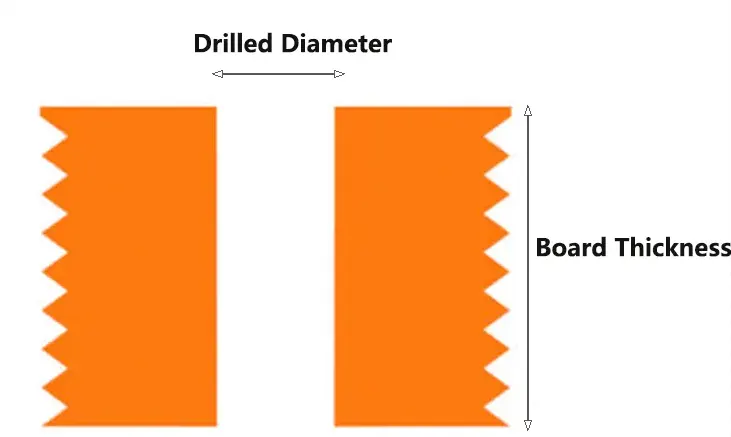
The aspect ratio in PCB design refers to the ratio of a printed circuit board’s thickness to the diameter of its drilled holes. In other words, it is the relationship between the drilled hole size and the thickness of the board material.
Aspect ratio is an important consideration in PCB design because it can affect the PCB’s reliability, manufacturability, and performance. High aspect ratios, where the ratio of the drilled hole diameter to board thickness is larger, can be more challenging to produce reliably and cost-effectively. Therefore, it is essential to carefully design PCBs with appropriate aspect ratios to achieve desired performance and functionality while also ensuring manufacturability.
Importance of Aspect Ratio in PCB Design
The aspect ratio is an essential consideration in PCB design because it can impact several aspects of the PCB’s performance and manufacturability. Here are a few reasons why aspect ratio is important in PCB design:
● Reliability: PCBs with an inappropriate aspect ratio can lead to reliability issues such as breakage or delamination during processing or in the field.
● Signal integrity: High aspect ratio PCBs can cause impedance mismatches, signal attenuation, and other problems that can degrade signal integrity.
● Manufacturability: PCBs with high aspect ratios can be more challenging to manufacture, especially in terms of drilling small holes.
● Cost: High aspect ratio PCBs are generally more costly to produce due to the added complexity and potential for errors during manufacturing.
● Space constraints: A PCB with a larger aspect ratio can allow for greater trace density while still maintaining clearance spacing, which is especially important for miniaturized electronics where space is limited.
As a result, selecting an appropriate aspect ratio for a PCB design is crucial to achieving desired performance, reliability, and manufacturability while also minimizing costs and maximizing use of space.
How Do You Calculate PCB Aspect Ratio ?
Calculating the aspect ratio of PCB vias is of utmost importance, regardless of whether you are creating an image, a video, or any other creative work. Typically, statistical methods are employed to determine the specifications of this calculator. The aspect ratio is the ratio that establishes how high graphic objects, pictures, or films should be and how wide they must be. It can be found in the formula for aspect ratio.
Although various aspect ratios may be available for height and length dimensions, the ratio value is typically scaled down to the lowest acceptable ratio that suitably accommodates all types of media.
Here are a few ways in which aspect ratio could be utilized in PCB:
As a PCB manufacturer, we understand that the aspect ratio is a crucial characteristic in the production of printed circuit boards.
● In the first example, a board thickness of 62 mils and a hole diameter of 31 mils result in an aspect ratio of 2:1.
● The second example achieves an aspect ratio of 8:1 through a board thickness of 64 mils and a drilled hole width of eight mils.
● The third scenario involves a board thickness of 80 mils, producing an aspect ratio of 10:1, and utilizing a drilled hole diameter of eight mils.
It is important to note that a higher aspect ratio leads to a greater need for plating, which in turn increases the risk of cracking due to expansion during the PCB assembly phase. Therefore, to promote stronger vias and improved electrical connections, lowering the aspect ratio is necessary. A lower PCB aspect ratio ensures more consistent plating throughout the vias, which contributes to a higher level of durability throughout the entire lifespan of the printed circuit board.
JarnisTech Capabilities of NC Drilling Vias
Min NC Drilling Via Diameter
Available Aspect Ratio
Max Available PCB Thickness
0.15mm
<=8:1
1.2mm
0.20mm
<=10:1
2.0mm
0.25mm
<=12:1
3.0mm
JarnisTech Capabilities of Laser Ablated Microvias
For through-hole vias, an AR 8:1 maximum is recommended, as stated by the design guidelines found in the IPC-2221A and IPC-222 documents. A minimum drill diameter of 0.20 millimeters is recommended for use with a standard PCB thickness of 1.60 mm. At JarnisTech, however, we can achieve a density of 10:1 and 12:1 for through-hole boards, as well as a density of 0.75:1 and 1:1 for microvia HDI PCBs.
These parameters are highly suggested by JarnisTech and are completely appropriate for use in PCB manufacturing. In order to meet the high dependability standards of IPC Class 3, requirements like these are necessary. It is not possible to unilaterally reduce the size of the via pad or the hole diameter since there are considerations related to reliability.
Factors Influencing PCB Aspect Ratio
Printed circuit boards (PCBs) are a crucial component in many electronic devices, providing a base for the mounting of various electrical parts. During the design and fabrication of PCBs, careful consideration must be given to the aspect ratio of the board as it can significantly impact the performance and reliability of the final product. In this section, we will explore the various factors that influence aspect ratio and their impact on the PCB design and manufacturing.
● Density and Size of Components: The size and density of components on a printed circuit board (PCB) can also have an impact on its aspect ratio. A greater density of smaller surface mount technology (SMT) components on a PCB can lead to less expansive aspect ratios. Conversely, using larger through-hole components necessitates larger vias and holes, which may limit the aspect ratio.
The component density on a PCB can also influence the aspect ratio. High-density printed circuit boards (PCBs) contain numerous components in a small area, necessitating smaller holes and vias. This can result in less desirable aspect ratios since the thickness of the PCB places a constraint on the depth of holes or vias.
● PCB Layer Count and Thickness: The aspect ratio of a printed circuit board (PCB) is primarily influenced by its thickness and layer count. Calculating the aspect ratio of a PCB involves dividing its thickness by the smallest hole’s diameter. As the PCB thickness increases, its aspect ratio reduces, and vice versa.
The layer count of a PCB can also impact its aspect ratio, with multi-layer PCBs typically featuring lower ratios. These PCBs possess more than two layers of conductive material that sandwich insulating layers, which limit the maximum drill depth achievable in the holes or vias.
● PCB Fabrication Process Capabilities: The manufacturing process utilized in making a PCB can also impact its aspect ratio significantly. Different manufacturing techniques offer varying capabilities when it comes to creating PCBs with varying aspect ratios. For instance, the drilling and plating process used to create holes or vias on a printed circuit board (PCB) can impact its aspect ratio.
Typically, mechanical or laser drilling is employed by PCB manufacturer to create holes or vias on a PCB. Mechanical drilling is utilized for larger holes and vias, whereas laser drilling is used for smaller ones, resulting in reduced diameter holes and vias and subsequently smaller aspect ratios.
The plating method used to generate the conductive layer within the holes or vias also has an influence on the aspect ratio. Electroless plating is the preferred choice for smaller holes and vias, while electroplating is employed for larger holes and vias. Electroless plating provides a more uniform and consistent plating layer within the hole or via, which can lead to a higher aspect ratio.
How the Aspect Ratio Affects the Design and Manufacturing of PCBs ?
The aspect ratio of a printed circuit board (PCB) affects both its design and production process. A larger aspect ratio allows for deeper holes or vias, which can increase the device’s mechanical stability and thermal efficiency, resulting in a more reliable and sturdy design. However, a high aspect ratio can make the manufacturing process more challenging, requiring greater precision during drilling and plating operations.
Producing PCBs with a high aspect ratio can be a time-consuming and costly process. Achieving high-quality holes and vias requires additional effort during drilling and plating, potentially leading to higher fault rates and lower yields. This can increase production costs and extend lead times.
Therefore, it is necessary to carefully consider the aspect ratio and its potential impact on the production process during PCB design. Appropriate design adjustments can help to balance the aspect ratio with the production feasibility, ensuring that the aspect ratio is conducive to the PCB’s normal production.
So, How to ensure that the aspect ratio is conducive to the normal production of PCB?
● Communication with the Manufacturer: To ensure effective PCB manufacturing, it is crucial to maintain open communication with the manufacturer throughout the design process. This enables early identification of any manufacturing concerns and facilitates design revisions that can improve the product’s manufacturability.
Furthermore, it is important to have a comprehensive understanding of the manufacturer’s capabilities and constraints in designing printed circuit boards (PCBs). PCB manufacturers’ capabilities may vary in terms of aspect ratios, making it necessary to select a manufacturer capable of meeting the design specifications.
Designers must also consider the tolerances and requirements necessary for the holes and vias on the PCB to ensure the desired aspect ratio.
Additionally, designers should rely on design guidelines and principles to ensure that the PCB design meets the minimum criteria for drilling and plating. Such guidelines can prevent common manufacturing problems, including breakout and burrs. Maintaining open communication with the PCB manufacturer and following design principles can help achieve efficient and effective PCB manufacturing.
Impact of Aspect Ratio on PCB performance
The impact of aspect ratio on PCB performance includes:
● Signal Losses: Higher aspect ratio vias may have increased parasitic capacitance and inductance, leading to higher signal losses and decreased signal quality.
● Electrical Reliability: High aspect ratio vias may have insufficient plating thicknesses leading to open circuits, decrease in reliability or electrical performance degradation.
● Thermal Management: High aspect ratio vias impede the flow of heat in a PCB, which can lead to thermal management problems such as hot spots, uneven temperature distribution, and decreased reliability of components.
● Manufacturability: The aspect ratio of a via can impact manufacturability, which can affect the yield, cost, and production speed of PCB manufacturing.
● Design Flexibility: Low aspect ratio vias offer more design flexibility which can be preferable in some situations, but high aspect ratio vias are needed for some designs where a larger distance must be covered between layers.
Therefore, the aspect ratio of vias is an important consideration in PCB design and has a significant impact on both electrical performance and manufacturability of printed circuit boards.
Challenges in Achieving High Aspect Ratio
Achieving high aspect ratios in PCB design can be challenging due to a number of factors, such as:
● Drilling limitations: Drilling small holes with high aspect ratios can cause drill bits to break or wear out quickly, increasing the risk of errors and inaccuracies in the PCB design.
● Plating issues: Plating the inside of small, high aspect ratio holes with copper can be difficult, leading to incomplete plating or voids that may affect the performance of the PCB.
● Lamination challenges: Getting the copper layers to adhere properly during the lamination process can be tricky when dealing with very thin traces and tight spaces between them.
● Etching difficulties: Etching small, high aspect ratio traces can be difficult because the acid doesn’t always flow evenly into the narrow spaces.
● Signal integrity: High aspect ratios can create impedance mismatches, signal attenuation, and other problems that can degrade signal integrity.
Advanced Techniques for Maintaining Aspect Ratio
here are several advanced techniques for maintaining aspect ratio in high-density PCB designs:
● Laser drilling: Laser technology allows for precise drilling of small holes with high aspect ratios, which can minimize breaking or wearing of drill bits and reduce errors in the PCB.
● Sequential lamination: In this process, the laminate material is built up one layer at a time, allowing for more precise control of the thickness of each layer and ensuring better adhesion of the copper layers.
● Resin-coated copper (RCC):RCC is a process in which a resin coating is applied to the copper layer before drilling to provide reinforcement and prevent delamination.
● Plasma etching: Instead of using traditional acid etching, plasma etching employs charged gas molecules to create a highly controlled and more uniform process for etching small, high aspect ratio traces.
● Staggered drilling: Staggered drilling involves drilling holes in alternating locations in adjacent layers, which can reduce the aspect ratio by allowing for larger holes to be drilled in some layers.
By using these advanced techniques, it is possible to achieve the high aspect ratios necessary for miniaturized, high-density PCB designs while also maintaining high levels of performance, reliability, and manufacturability.
How to Choose the Right Aspect Ratio for Your PCB Design ?
Choosing the right aspect ratio for your PCB design involves several factors, including the size and complexity of the board, the number and size of components, and the performance and cost requirements of the final product. Here are a few steps to help you choose the appropriate aspect ratio for your PCB design:
Determine the size of the board and the number and size of components that will be used. This will help you determine the general thickness of the PCB.
Consider the pitch between components on the board and any other spacing requirements. This will help you determine the minimum drill size.
Check with your PCB manufacturer to determine their capabilities for drilling and plating small holes with high aspect ratios.
Calculate the required aspect ratio by dividing the board thickness by the minimum drill size. The recommended aspect ratio is typically between 8:1 and 12:1 to ensure proper plating and adhesion.
Consider any signal integrity issues that may arise with high aspect ratio designs. For high-speed applications, it may be necessary to adjust the aspect ratio to ensure proper signal integrity.
By carefully considering these factors and working closely with your PCB manufacturer, you can select an appropriate aspect ratio for your PCB design that balances performance, reliability, and manufacturability.
Summary
Aspect ratio is an essential consideration in PCB design as it influences the manufacturability, reliability, and performance of the printed circuit board. The aspect ratio of a PCB represents the relationship between its thickness and the diameter of its drilled holes, and choosing the right aspect ratio involves balancing numerous factors such as the size, complexity, and intended use of the PCB. Advanced techniques such as laser drilling, sequential lamination, RCC, plasma etching, and staggered drilling can help to overcome the challenges associated with high aspect ratio designs. Therefore, designers must carefully consider aspect ratio when developing PCB designs to ensure efficient and effective manufacturing, reliable performance, and optimal use of space.
PCB manufacturers considering reducing the aspect ratio of their circuit boards must keep in mind the board thickness and minimum drill diameter. Failing to do so can lead to manufacturing roadblocks and delays. Lowering the aspect ratio can result in stronger vias and larger connection areas for components.
JarnisTech, a reputable PCB manufacturer, offers a vast selection of capabilities and specifications due to over 20 years of experience serving customers in a range of industries. Our commitment to providing high-quality PCBs at affordable prices has earned us a prominent position in the industry. Our turnaround times are among the fastest in the market. Interested customers can contact us to learn more about the various types of PCBs that we offer.
In recent years, the field of electronics has experienced significant advancements, particularly in the very large scale integration (VLSI) industry. Starting with the invention of the transistor and progressing to the development of the integrated circuit and application-specific integrated circuit, technology has advanced at an impressive pace.
Furthermore, the advent of programmable logic devices (PLDs) served as a crucial stepping stone towards the widespread adoption of fabless semiconductor technology. Although PLDs were initially developed in the early 1970s, it was not until Xilinx introduced field programmable gate arrays (FPGAs) in the late 1980s that they became widely used in the ASIC realm.
Since then, PLDs, including FPGAs, have undergone significant improvements in terms of functionality and performance. As such, it is worth delving into the specifics of FPGAs and the advantages they offer.
What Is FPGA ?
The Field Programmable Gate Array (FPGA) is a versatile type of integrated circuit that can be adapted to suit the unique needs of a specific application by utilizing user-programmable interconnects within its hardware blocks. An FPGA can facilitate the implementation of new functionalities throughout its lifespan due to its ability to reprogram its interconnects.
The design of FPGAs owes its origins to earlier devices like programmable read-only memories (PROMs) and programmable logic devices (PLDs). Though both PROMs and PLDs could be programmed either at the factory or in the field, their configurations were permanent and unalterable since they relied on fuse technology. However, FPGAs store their configuration information in reprogrammable mediums like static RAM (SRAM) or flash memory, offering greater flexibility.
Industry giants such as Intel, Lattice Semiconductor, Microchip Technology, and Microsemi are among the top manufacturers of FPGAs.
FPGA Architecture and Components
FPGA (Field Programmable Gate Array) consists of several architectural and component elements that enable users to program the circuit according to the required functionality. Here are some of the main architectural elements of an FPGA:
● Configurable Logic Blocks (CLBs): These are the basic building blocks of FPGAs, consisting of lookup tables (LUTs) for combinational logic, and flip-flops for sequential logic. In addition, some modern FPGAs have built-in math operations units, which come in handy for DSP applications.
● Programmable Interconnect: The interconnection gives the CLBs the tunnels through which data passes and by which signals from input and output pins are connected to the LUTs and flip-flops. In modern FPGAs, the interconnect uses a hierarchy of different types of routing wires, each with different speeds, directions, and lengths.
● Input/Output Blocks (IOBs): IOBs allow external signals to communicate with the internal CLBs and perform parallel or serial interfacing with other digital circuits/systems. The IOBs can handle a combination of single-ended, voltage-regulated, or differential signals and external clock signals.
● Embedded Memory Blocks: Some FPGAs have embedded memory blocks such as block RAM or FIFO buffers, available for designers to use either as a standalone memory or as an interconnection medium between modules.
● Digital Signaling Processing (DSP) Blocks: DSP blocks in the FPGA consist of multiple arithmetic circuits for performing complex math operations such as multiplication, division, and addition efficiently.
● Clock Management: FPGAs can offer various clock methods to ensure reliable and jitter-free clocking of internal modules or to connect to external synchronization requirements.
● Configuration Memory: The FPGA configuration information is stored in non-volatile memory such as Flash, ferroelectric, electrically erasable programmable read-only (EEPROM), or volatile Static RAM (SRAM), which will configure the FPGA at each start-up.
The interconnection between all these elements is programmable after manufacturing, allowing FPGA devices to provide a unique flexibility of configuration according to the intended application domain.
Advantages and Disadvantages of FPGA
Advantages of FPGA
●Flexibility: FPGA’s hardware configurability offers flexible and adaptable system designs which can be reprogrammed and reconfigured as needed.
●High Performance: FPGA’s parallel architecture can offer high performance, making it an excellent choice for applications requiring real-time processing and high-speed data processing.
●Lower Power Consumption: FPGA designs can offer lower power consumption compared to a software solution running on a CPU. This is because only the resources required to perform the task are used, and idle circuits are not powered up.
●Lower Cost: FPGA designs can offer a lower per-unit cost compared to ASICs designed for low volume applications, because the FPGA can be used for many different applications.
●Shorter Time to Market: FPGA provides shorter design cycles and reduces the time to market compared to a custom ASIC solution.
Disadvantages of FPGA
●Complexity: FPGA development can be challenging due to its complexity. Successful implementation requires extensive knowledge of digital logic design, hardware description languages, and FPGA technology.
●Higher Cost: High configuration costs of FPGAs as the initial investment is needed to buy the hardware and software design tools required for development.
●Limited Resources: FPGAs have limited resources compared to dedicated ASICs. This can result in limitations on the size and complexity of the designs that can be implemented.
●Limited Support: FPGAs requiring specialized knowledge of programming languages, and application programming interfaces (APIs) and hardware environments, that can limit technical support options.
Bitstream Security Concerns: Since bitstream is configurable data that controls the FPGA hardware functionality, it can be vulnerable to a malicious attack that alters the FPGA function.
FPGA Applications
The versatility of Field Programmable Gate Arrays (FPGAs) makes them a suitable option for numerous industries. As an industry leader, AMD provides comprehensive solutions for a diverse range of markets and applications. AMD’s offerings encompass FPGA hardware, advanced software, and configurable IP cores that are ready to be utilized.
AMD’s FPGA solutions are applicable to several markets and use cases, including:
●Wireless Communications: solutions for RF, base band, connectivity, transport, and networking for wireless devices, addressing standards such as WCDMA, HSDPA, and WiMAX amongst others.
●Wired Communications: Complete solutions for the Reprogrammable Networking Linecard Packet Processor, Framer/MAC, serial backplanes, and other components of the network.
●Aerospace & Defense: FPGAs that are resistant to radiation combined with the intellectual property necessary for image processing, waveform synthesis, and partial reconfiguration of SDRs.
●ASIC Prototyping: The use of field-programmable gate arrays (FPGAs) for ASIC prototyping enables rapid and precise modeling of SoC systems as well as verification of embedded software.
●Video & Image Processing: For a variety of video and image applications, AMD FPGAs and tailored design platforms allow better levels of flexibility, quicker time-to-market, and reduced total non-recurring engineering expenditures (NRE).
● Automotive: Providing automotive silicon and intellectual property solutions for gateway and driving assistance systems, as well as comfort, convenience, and in-vehicle infotainment systems.
● Security: Access control, surveillance, and other safety and security systems are just some of the areas in which AMD has developed solutions to satisfy the ever-changing requirements.
● Broadcast & Pro AV:With Broadcast Focused Design Platforms and solutions for high-end professional broadcast systems, you can adapt to changing requirements more quickly and lengthen the product’s life cycle.
● Medical:The Virtex FPGA family and the SpartanTM FPGA family can both be used to meet a variety of processing, display, and input/output interface requirements for applications such as diagnosis, monitoring, and therapy.
● Consumer Electronics:Converged handsets, digital flat panel displays, information appliances, home networking, and household set top boxes are all examples of next-generation consumer applications that can take advantage of cost-effective solutions.
● Industrial: Applications ranging from industrial imaging and surveillance to industrial automation and medical imaging equipment can all benefit from the increased flexibility, accelerated time-to-market, and decreased overall non-recurring engineering costs (NRE) made possible by AMD FPGAs and ISM-specific targeted design platforms.
● Data Center: Developed specifically for servers, networking, and storage applications that require high bandwidth and low latency in order to deliver a higher level of value to cloud deployments.
● HighPerformance Computing and Data Storage: Storage area networks (SAN), network-attached storage (NAS), servers, and storage appliances can all benefit from these solutions.
Programming Process an FPGA Design
Programming an FPGA involves describing the desired hardware functionality in a hardware description language (HDL), compiling the HDL code into a configuration bitstream, and then loading the bitstream into the FPGA. The general steps in programming an FPGA are:
●Design Entry: Write the hardware functionality in a HDL such as VHDL or Verilog, which describe the FPGA’s hardware behavior.
●Synthesis: The HDL code is translated into an optimized netlist, where the synthesis tool configures the FPGA with the desired functionality. This step creates a structural representation of the logic.
●Mapping:Mapping the synthesized netlist onto the FPGA architecture specified in the design.
●Placement: Placement of synthesized logic blocks on the FPGA floorplan that maximizes performance and timing.
●Routing: Creation and optimization of the interconnects, to connect the placed blocks together and to the input/output pins.
●Timing Analysis: Timing Verification and analysis to ensure the design timing requirements are correct.
●Bitstream Generation: Generation of a binary data file containing instructions for configuring the FPGA, known as “bitstream.”
●Configuration:Download the bitstream onto an FPGA device to configure the FPGA according to the specified design.
●Verification:Verify that the FPGA implementation matches the expected behavior.
Hardware description languages, such as VHDL and Verilog, offer a highly structured way of describing the behavior of digital systems and are used to create complex systems spanning a range of industries. FPGAs can also be programmed using high-level programming languages, such as C and C++, with the help of hardware design libraries such as High-Level Synthesis (HLS).
How FPGAs Work ?
FPGAs or Field Programmable Gate Arrays are integrated circuits that can be programmed or configured to perform specific tasks after manufacturing. Here is a high-level description of how FPGAs work:
● FPGA design: The first step is to create a design using a hardware description language (HDL) such as Verilog or VHDL. The design is usually created using a computer-aided design (CAD) tool.
● Synthesis: Next, the design is synthesized to produce a netlist, which is a high-level representation of the circuit.
● Place and Route: The place and route process takes the netlist and maps it onto the physical resources of the FPGA, including logic cells, routing switches, and input/output pins.
● Configuration: Once the netlist has been placed and routed, the FPGA must be configured with the appropriate settings using configuration memory such as flash memory or SRAM. This step sets the electrical path, logical connection and creates the interconnects between the devices.
● Operation: After configuration, the FPGA performs the programmed function and can be updated with new functions by reprogramming the configuration memory.
FPGAs can be reprogrammed repeatedly and can execute parallel operations as well as displaying lower power consumption in comparison to alternatives.
Why You Use a Field Programmable Gate Array ?
With FPGAs, you can tune your chip such that it can handle a high workload. So, when working with these chips, you may acquire the best possible outcomes. In addition to this, FPGA enables you to make later modifications at the chip level to produce the outputs that you want. Because of this level of adaptability, you are able to make significant modifications. For instance, you can adjust the power and memory use of your machine by making use of FPGA in order to save up on resource utilization. That could end up being a savior for your device in the end.
When it comes to the prototype of ASICs (Application-Specific Integrated Circuits) or Processors, FPGAs can prove to be quite helpful. This is due to the fact that you are able to re-program an FPGA until you obtain a final, bug-free Processor or ASIC that you are able to mass produce.
Comparison of FPGAs with Other Types of Programmable Logic Devices
FPGAs are one type of programmable logic device, and there are several other types available as well. Here is a comparison of FPGAs with other types of programmable logic devices:
● CPLDs (Complex Programmable Logic Devices): CPLDs are smaller and slower than FPGAs and generally used for simpler designs. They usually have a fixed architecture with a limited number of programmable elements.
● PALs (Programmable Array Logic): PALs are an early type of programmable logic device, and they have a fixed number of inputs and outputs. The logical functions are implemented using a programmable AND array followed by a fixed OR array.
● GALs (Generic Array Logic): GALs are similar to PALs, but they have additional programmable features such as flip-flops and control circuits, thus being more flexible than PALs.
● ASICs (Application-Specific Integrated Circuits): ASICs are custom-designed integrated circuits that are optimized for a specific application. They typically have higher performance and lower power consumption than FPGAs, but are more expensive and have longer design time.
Compared to CPLDs, PALs, and GALs, FPGAs are larger, faster, and more flexible. They offer a large number of programmable logic elements, optimized routing, and other features that allow designs to be implemented in a more optimized way. When compared with ASICs, FPGAs are more flexible at design time, provided design modifications are quicker and can be tested easily.
ASIC Vs. FPGA
Choosing between ASICs and FPGAs requires a thorough evaluation of each technology’s unique benefits. Numerous comparisons between the two types of technologies are available online. Historically, FPGAs were more suitable for designs with lower levels of complexity, speed, and overall volumes. However, modern FPGAs are capable of achieving performances of up to 500 MHz and beyond while boasting significant improvements in logic density, embedded processors, clocking, high-speed serial, and DSP blocks at increasingly affordable prices. As a result, FPGAs have become an attractive option for a broad range of designs.
Compared to microprocessors like ASICs, FPGA designs offer three significant advantages, particularly for prototypes or limited production runs. These advantages include:
●Performance of Flexibility: FPGAs are not often utilized in heavily parallelized processes due to the inability to match the performance of CPUs. Applications such as large image processing and digital signal processing require numerous cores and out-of-order instructions that current microprocessors execute better.
Furthermore, FPGA designs can incorporate several hard or soft microprocessors working together in a single chip. This integration eliminates the need to physically connect two separate devices, thus reducing the required space for the design.
FPGA design cycles require less manual intervention and are easier to manage due to their simpler nature. Routing, positioning, and timing are often handled automatically by the software to ensure compliance with specified criteria.
●Reusability: The versatility of FPGAs as reprogrammable and reusable devices makes them highly adaptable for rapid prototyping, with minimal costs associated with design mistakes or modifications.
FPGAs have a distinct advantage over ASICs due to their reconfigurable capability. Once the system has been established, FPGAs offer the ability to reconfigure repeatedly, enabling further modifications, optimization, and customization that ASICs cannot achieve. This capability is despite an intricate and detailed IP core design for a specific application. The true value of FPGAs lies in their reprogrammability, which provides PCB design engineers with increased flexibility for future design iterations and modifications.
●Quick Acquittance: FPGAs offer a shorter time-to-market advantage because they are not pre-designed for specific activities. After purchasing an FPGA, it can be configured to fit the required design specifications. This flexibility is valuable for PCB design engineers, as they can potentially reduce development time and rapidly prototype with FPGAs, leading to a quicker time-to-market.
Programming Languages and Tools for FPGAs
There are several programming languages and tools available for designing FPGAs. Here are some commonly used ones:
● Hardware Description Languages (HDLs): HDLs like Verilog and VHDL are used to create the digital circuit designs that implement the required functions. HDL-based designs are transformed by logic synthesis tools into a netlist of primitive digital logic elements (gates, LUTs, flip-flops, etc.) and connected by logic synthesis tools into a full digital circuit design.
● High-level synthesis (HLS) tools: These tools allow designers to write code in a high-level language such as C/C++, Python or even OpenCL, which is then automatically converted into a hardware description language or a netlist-based design using various optimization criteria. This can significantly reduce design time and provide higher-level abstraction.
● FPGA Development Platforms: FPGA vendors offer development platforms, which include software for design compilation, simulation, synthesis, and debugging. They provide a comprehensive workbench for test and builds utilizing integrated development environments (IDEs).
IP Cores: Intellectual property cores are pre-built blocks of design (i.e. memory, processors, communication interfaces, etc) provided by FPGA vendors to accelerate complex designs or applications development, frequently tailored for specific uses.
● High-Level Design Tools: Commercial high-level tools such as MATLAB, Simulink, or LabVIEW provide integration with FPGA design flows to create and validate designs faster and more efficiently.
The selection of tools and languages may depend on a variety of factors such as the designer’s experience, the complexity of the design, and the specific requirements of the project.
Why an FPGA when a Microcontroller Would Do ?
Choosing between an FPGA and a microcontroller depends on whether the design requires software or hardware functions.
● A microcontroller operates by executing instructions sequentially, which imposes inherent limitations. The intended functionality must align with the available instructions, and performing multiple processing jobs at the same time is generally not feasible. Although instructions are highly flexible and can be executed at high frequencies, software-based digital design still has drawbacks.
● A hardware-based approach is an alternative. Ideally, each new design could be created with a digital IC tailored to the required system functionality. There would be no software development, no instruction set limitations, and no processing delays. The result would be a single IC with input and output pins and digital circuitry designed precisely for the required operations.
● Developing an ASIC for each board is impractical, but FPGAs offer a more practical solution that approximates the process. FPGAs provide the flexibility of reprogrammability to allow digital circuits to be modified to meet specific design requirements. This approach combines the best of both worlds by offering hardware implementation with the flexibility of software-like modifications.
Importance of FPGA
Field-programmable gate arrays (FPGA) are important due to the following reasons:
●Flexibility and Programmability: FPGA offers high flexibility and reprogrammability, which advantages the design of complex digital systems. It is possible to reconfigure the FPGA multiple times, which makes it easy to modify, test, and redesign the system until it satisfactorily meets the requirements. The FPGA’s highly flexible architecture provides an ideal platform for prototyping digital circuits and systems.
●High Performance and Low Power Consumption: FPGAs provide high performance and low power consumption, which makes them suitable for many applications such as, digital signal processing, image, and video processing, artificial intelligence, etc. FPGA provide parallel processing, which improves the computational performance by performing multiple operations at the same time. FPGA design can be optimized for the specific task, reducing the power consumption compared to the general-purpose CPUs.
●Rapid Prototyping: FPGA introduces a faster design and prototyping cycle, and it removes the barriers that traditional ASIC design may possess regarding the time, costs, and effort invested in the design and fabrication of custom chips. FPGA speeds up the prototyping process by delivering an environment that enables designers to implement, validate and upgrade their circuits with no need to have a physical board.
●Hardware Emulation: FPGA is capable of emulating other electronic hardware devices or circuits for testing and debugging purposes eliminating the need for the physical device. It simplifies the test setup, saves research time and further cost, and makes it practical to run tests on complex systems.
Therefore, the FPGA is essential in modern electronics and is increasingly important with the growth of industries such as robotics, IoT, artificial intelligence, and wireless communications. Its customizable and reconfigurable nature makes it suitable for use in research, prototyping, and commercial product development.
Get to More Understand About FPGAs
● The high tooling and pre-production expenses required for custom ASICs make them unsuitable for low to medium scale high-tech products, but they are a great solution for high-volume applications. Instead, for these products, field-programmable gate arrays (FPGAs) are frequently used. These large-scale integrated chips consist of a collection of logic gates, primarily NAND gates, which can be programmed by the manufacturer to carry out a predetermined set of logical operations, meeting specialized requirements.
● PROMs and PLDs were developed in the 1970s and have been succeeded by the current generation of FPGAs. The most notable difference is that FPGAs can be reprogrammed in-circuit by manufacturers, simplifying device management in contrast to pre-programming devices before leaving the factory.
● Modern FPGAs now incorporate analog functionalities, allowing them to integrate more closely with digital functions. These integrations include features such as programmable slew rates, analog-to-digital converters, and differential comparators. This blurring of the lines between FPGAs and Field-Programmable Analog Arrays (FPAAs), which are analog devices, has resulted in the modern FPGAs being capable of analog and digital functions.
FPGA Trends and Future Developments
The trends and future developments in the field of FPGAs include:
● FPGA vs. ASIC: A continued trend is the ongoing competition between FPGAs and ASICs (Application-Specific Integrated Circuits), as both technologies are used for hardware acceleration and optimization. FPGAs offer more flexibility and shorter design cycles, while ASICs offer higher performance and lower power consumption.
● FPGA in the Cloud: Another trend is the use of FPGAs in cloud computing. Cloud providers such as Amazon Web Services, Microsoft Azure, and Alibaba Cloud offer FPGA instances as a service, enabling customers to use FPGAs for various applications without the need for upfront investment in hardware.
● FPGA for AI and Machine Learning: FPGAs offer high parallelism and flexibility, making them well suited for accelerating computationally intensive applications like AI and machine learning. FPGAs can perform tasks such as image and speech recognition, natural language processing, and recommendation systems with high performance and low power.
● Heterogeneous Computing: FPGAs are expected to be more widely used alongside other processing elements such as CPUs and GPUs in heterogeneous computing systems. This allows for the optimization of performance while minimizing energy consumption.
● High-Speed Connectivity: With the growing demand for high-speed connectivity, FPGAs are being used to develop solutions for 5G communications, data centers, and other high-performance networking applications.
● Security: FPGAs have been gaining attention as a potential solution for hardware security. By embedding security mechanisms within the FPGA fabric, it is possible to create secure systems that are resistant to cyber-attacks.
In a word, the demand for FPGAs is expected to continue to grow, as they provide a flexible and powerful tool for hardware acceleration and optimization in a wide range of applications.
Conclusion
Field-Programmable Gate Arrays (FPGAs) are both fascinating and highly effective devices, offering several benefits beyond reducing resource consumption. They can help save significant costs while keeping up with industry developments. Therefore, incorporating FPGAs into a project is a wise decision.
Understanding the fundamental aspects of FPGAs and their advantages over processor-based systems can be beneficial. Designers familiar with microcontrollers, ASICs, and mathematical calculations may initially find modern FPGAs intimidating due to their complexity and high performance. However, enhancing performance and versatility in certain applications may justify the additional design effort required.
In a word, FPGAs provide significant benefits to PCB design engineers. Understanding their features and capabilities can allow designers to make well-informed decisions when selecting digital system components, ultimately leading to developing high-performance and cost-effective electronics solutions.
The demand for carrier printed circuit boards (PCBs) is increasing in tandem with the growing complexity and miniaturization of electronic equipment and systems, as well as the need for improved signal integrity, lower power consumption, and higher data rates. Carrier PCBs serve as a stable and reliable platform for configuring and interconnecting multiple electronic components, including microprocessors, memory chips, sensors, and power devices.
The development of carrier PCBs is being driven by several key trends. Firstly, there is increasing adoption of advanced materials and fabrication methods such as HDI (high-density interconnect) and microvia technology, which allow for denser component placements and shorter signal paths. Secondly, the integration of passive and active components directly onto the PCB substrate is gaining prominence, enabling manufacturers to design more compact and efficient electronic systems.
In addition, the importance of Carrier PCB in telecommunication lies in its ability to provide a reliable platform for transmitting and receiving data at high speeds, while also managing power consumption and reducing interference. With the increasing demand for faster and more efficient communication systems, Carrier PCB has become an indispensable part of modern telecommunication technology.
What Is Carrier PCB ?
A Carrier PCB, also known as a Printed Circuit Board, is utilized within the electronics industry to provide a solid platform with the necessary connectivity required to successfully host and integrate a diverse range of electronic components, modules, or circuit boards. This type of PCB simplifies the process of testing, prototyping, and manufacturing by offering a standard interface between the carrying PCB and the components it hosts.
Carrier PCBs can significantly improve the system’s overall reliability and maintainability by providing standardized connectivity between electronic components without requiring extensive customization or modification. Furthermore, these customized boards can be fabricated from a range of materials, such as polyimide, FR-4, or flexible materials, depending on their intended application and specific design requirements.
Advantages and Applications of Carrier PCB in Telecommunication
Carrier PCB is widely used in telecommunication systems due to its numerous advantages and applications, some of which include:
●High Speed Transmission: Carrier PCBs are designed with high-quality materials and advanced features to enable fast and reliable data transmission with reduced signal loss and attenuation.
●Enhanced Signal Integrity: Carrier PCBs are designed to reduce noise and electromagnetic interference (EMI), which helps enhance signal integrity and minimize errors in data transmission.
●Power Management: Carrier PCBs have advanced power management features that help manage power consumption and distribution in telecommunication systems, ensuring that power is utilized efficiently and effectively.
●Noise Reduction: Carrier PCBs are designed to reduce noise and interference from other circuitry and external sources, ensuring that telecommunication systems operate with minimal disruption.
●Versatility: Carrier PCBs can be used in a wide range of telecommunication applications, including cellular networks, internet routers, satellite communication systems, and more.
● Cost-Effective: Carrier PCBs offer a cost-effective solution for telecommunication systems design and manufacturing, providing high-quality performance at a relatively low cost.
How Carrier PCB Is Designed ?
Carrier PCB (Printed Circuit Board) design involves several crucial steps, including material selection, layer stackup configuration, trace routing, and component placement. Here’s a brief overview of each step:
● Material Selection: The choice of materials for Carrier PCB design is critical and depends on factors such as the frequency of operation, thermal management requirements, and cost. Materials commonly used for Carrier PCBs include FR-4, Rogers, and Isola.
● Layer Stackup Configuration: The layer stackup configuration involves determining the number and placement of copper layers in the PCB. The stackup configuration is crucial as it affects signal integrity and the routing of traces.
●Trace Routing: Trace routing involves the routing of copper traces on the PCB to connect components and carry signals. This step requires careful consideration of factors such as trace length, impedance control, and noise reduction.
● Component Placement: Component placement involves the positioning of electronic components on the PCB. Component placement affects signal integrity, thermal management, and the routing of traces on the board.
Factors to Consider for Optimal Carrier PCB Design
For optimal Carrier PCB (Printed Circuit Board) design in telecommunication systems, various factors need to be considered, including:
Signal Loss and Attenuation: Signal loss and attenuation occur when a signal travel along a trace, and its amplitude reduces due to various factors like transmission line impedance, dielectric constant, frequency, and trace routing. Good impedance control and keeping trace routing shorter can help reduce signal loss and attenuation.
Crosstalk and Electromagnetic Interference:Crosstalk and Electromagnetic Interference (EMI) are major sources of signal interference in telecommunication systems. To minimize these effects, Carrier PCB design should incorporate proper ground planes, shielding techniques, and careful trace routing.
Thermal Management: Telecommunication systems often generate significant heat due to high-speed processing and power consumption. Carrier PCB design should incorporate proper heat sinking techniques and the use of materials with high thermal conductivity to manage heat dissipation.
Board Size and Shape: The size and shape of the PCB can affect signal integrity, and board layout can substantially impact trace routing. Careful consideration should be given to board design to optimize board size and shape for efficient signal transmission.
How Does Carrier PCB Technology ?
PCB (Printed Circuit Board) technology is used in a wide range of electronic devices, including carrier PCBs. Carrier PCB technology refers to the design and manufacture of circuit boards that are used to carry or transport other electronic components, such as microprocessors, memory chips, or other integrated circuits.
A carrier PCB is essentially a support structure that provides a physical and electrical connection between the electronic components that are mounted on it. The carrier PCB typically has a number of layers, with each layer containing a network of conductive pathways that are used to connect the various components. These conductive pathways are typically made of copper, and they are etched onto the surface of the PCB using a process known as photolithography.
The process of designing and manufacturing a carrier PCB typically involves the following steps:
PCB Design:The first step in creating a carrier PCB is to design the layout of the circuit board. This involves deciding which components will be mounted on the board, and how they will be connected.
PCB Fabrication: Once the design is complete, the next step is to fabricate the PCB. This involves using a process known as photolithography to create the conductive pathways on the surface of the board.
PCB Assembly:Once the PCB has been fabricated, the next step is to assemble the electronic components onto the board. This involves placing the components onto the board and soldering them into place.
Printed Circuit Boards Testing: Finally, the carrier PCB is tested to ensure that all of the components are properly connected and functioning as intended.
Carrier PCB technology is used in a wide range of applications, including in telecommunications equipment, industrial machinery, and consumer electronics. It provides a cost-effective and reliable way to connect and transport electronic components, and it is an essential component in many electronic devices.
Real-World Applications of Carrier PCB in Telecommunication
There are various real-world applications of Carrier PCB (Printed Circuit Board) in telecommunication systems. Here are some case studies:
● Cellular Networks: Carrier PCBs are extensively used in cellular network base stations, enabling high-speed data transmission with minimal signal loss and EMI. Carrier PCBs also allow for power distribution management, which helps maximize the efficiency of cellular network systems.
●Internet Routers: Carrier PCBs play a significant role in internet routers and switches, enabling efficient and reliable data transmission across networks. For high-speed data routing, advanced Carrier PCB design techniques such as Backdrilling and Blind Via technology are used.
●Satellite Communication: Carrier PCBs are used in satellite communication systems, where high-speed and reliable data transmission is essential. The use of Carrier PCB allows for better impedance control, which helps prevent signal loss due to reflection.
● Military Communication Systems: Carrier PCBs are used in military communication systems such as satellite communication, ground systems, surveillance, and radar systems. The use of Carrier PCB allows for efficient power distribution, precise signal routing, and high-speed communication.
● Industrial Automation and Control Systems: Carrier PCBs are used in Industrial Automation and Control Systems (IACS) to provide stable, high-speed communication, and efficient power distribution. IACS often requires a higher degree of resistance to harsh environmental conditions, and Carrier PCBs with high-temperature capabilities and environmental resistance are used to address this.
Carrier PCB Networks in Phones: Their Purpose
Mobile devices rely on being connected to a network comprised of base stations and interconnections for radio equipment that enable data transmission. These essential components are owned by the carrier PCB network, including the radio spectrum utilized by serviced phones.
Telecommunications firms responsible for maintaining the network infrastructure and radio airwaves facilitate both direct service to end-users and the provision of wireless carrier services to other companies. Wireless carriers may also use other names, such as mobile phone providers or mobile service providers.
Certain mobile phone service providers may only resell the services of larger carriers and lack the necessary infrastructure. Mobile Virtual Network Operators are examples of such companies as they use the networks of established operators to provide services to their customers.
The importance of carrier network resilience is underscored by an ever-increasing demand for cellular data services. 5G-NR, the newest performance standard for cellular technology, offers faster speeds than the current 4G LTE network to wireless broadband routers and mobile devices.
Accommodating this expansion requires additional wireless spectrum and faster backbone connectivity to wireless stations. Otherwise, slow connections and network congestion will occur if capacity fails to keep up with growing demand.
Carrier PCB’s Crucial Role in the Field of Telecommunications
The internet heavily relies on data carrier circuit boards that underpin the transmission of vast amounts of data. Data often passes through numerous carrier networks before reaching the end user. Some networks may choose to waive fees for specific partners, while others may charge fees to transmit data to other networks.
● In the telecommunications industry, carrier boards play a critical role as components incorporated into the carrier system to facilitate the transmission of information, such as voice signals and video signals, through modulation of one or more high-frequency carrier signals above the primary voice frequency and data rate.
● Through multiplexing various carrier signals, a single carrier board is capable of simultaneously transmitting numerous communication channels through a shared medium. Among the different multiplexing techniques, frequency-division multiplexing and time-division multiplexing are the most common, with frequency-division multiplexing being used in cable television networks to transmit various television shows at different frequencies.
● Time-division multiplexing is utilized in public switched telephone networks to route a significant number of calls through a single trunk line. For long-distance phone conversations, frequency-division multiplexing is a viable option, allowing multiple channels to be transmitted via satellite connections. Individual channels can be demultiplexed at a particular receiving node.
Challenges and Future Directions for Carrier PCB in Telecommunication
While the use of Carrier PCB (Printed Circuit Board) has revolutionized the telecommunication industry, various challenges and future directions need to be considered, including:
High-Speed Performance: As telecommunication systems evolve to meet the ever-increasing demand for faster speed, Carrier PCB design must be optimized for high-speed performance. This requires specialized design techniques to minimize signal loss and noise while maintaining signal integrity.
●5G Technology: The advent of 5G technology presents unique demands for Carrier PCB design, such as higher frequency operation, wider bandwidth, and increasing power consumption. As such, future Carrier PCB designs must address these challenges.
●Power Consumption: Energy efficiency is an important consideration in Carrier PCB design, as telecommunication systems consume a lot of power. Future designs must focus on minimizing power consumption and optimizing power management strategies.
●Miniaturization: The trend towards smaller and more portable telecommunication devices presents challenges for Carrier PCB design, such as the need for smaller traces, denser component packing and more complex routing.
● Cost: Despite its advantages, Carrier PCB production costs can be high, with material costs and production being a significant expense. Future Carrier PCB designs must address cost issues and seek to provide cost-effective solutions.
Therefore, addressing these challenges and focusing on future directions is essential for Carrier PCB innovation and expanding its role in telecommunication systems.
Conclusion
The carrier PCB plays a crucial role in transmitting data either via electromagnetic waves or by enabling frequency division multiplexing. Its capacity for both functions makes it an integral component in many electronic systems.
As a renowned PCB manufacturing and assembly factory in China, Janistech offers a broad range of custom PCB manufacturing services, including Medical Rigid-flex PCB, HDI PCB, Metal Core PCB, Ceramic PCB, and Carrier PCB, among others. To access our services for your upcoming PCB project, please contact us via email at [email protected]. We will respond promptly and offer expert assistance to ensure your satisfaction.
In today’s highly competitive industrial landscape, engineers are constantly seeking out innovative means of reducing the cost of their products without compromising on quality. Printed Circuit Boards (PCBs) are a crucial component of electronic and electrical engineering hardware, and their cost has a substantial impact on the price of the final product. Therefore, selecting a cost-effective PCB assembler and manufacturer that offers superior quality at reasonable prices is vital.
However, it has come to our attention that several providers offering cost-effective prototype PCB assemblies compromise on quality, resulting in product failures and noncompliance. To strike a balance between the cost and quality of PCB assembly, it is imperative that customers scrutinize the portfolio, services, and terms & conditions offered by each PCB assembler. Customers must also bear in mind their financial constraints while selecting an assembler and optimize their circuit design or PCB layout during the design phase.
To reduce the cost of PCB assembly effectively, customers must be cognizant of the challenges of cost optimization and quality control. By following these guidelines and collaborating with a reliable PCB assembler and manufacturer, customers can cut costs while ensuring that the quality of their products meets or exceeds their expectations.
What Factors Contribute to the High Cost of PCB Assembly ?
The cost of PCB design and production is influenced by various factors such as the intricacy of the design, the types of parts used, and the overall efficiency of the project. Additionally, the complexity and characteristics of the circuit are crucial elements that impact the total cost of PCB construction. Furthermore, the quality of PCB design can play a vital role in the final price.
The use of leadless components, coupled with precise pitching, adds to the overall expense of the PCB assembly. This is primarily due to the need for distinct testing procedures and a unique assembly process. The cost of essential components is also a significant factor contributing to the high cost of PCB assembly. The fabrication and assembly of printed circuit boards (PCBs) are reliant on sophisticated technology that caters to the demands of various industries. Consequently, the cost of PCB assembly is directly dependent on the firms, products, and assembly strategies involved.
Furthermore, there are three critical aspects related to the cost of the PCB that must be considered during PCB assembly:
● High-cost raw materials can lead to increased PCB production expenses.
● Unforeseen abnormalities that arise during production necessitate retesting at every stage of the assembly process.
● The assembling process has a significant impact on both the performance and cost of the resulting PCB.
How Can I Have Professionals Reduce PCB Assembly Cost ?
The cost of printed circuit board (PCB) assembly is frequently influenced by multiple factors, including the quantity and type of components and the intricacies of the assembly process. Different PCB assembly providers may use distinct pricing methods, causing pricing variations to occur.
Despite having no control over the assembly process, specific design strategies may be leveraged to reduce the overall cost of PCB assembly. By implementing such tactics, you can achieve your cost-effective goals and successfully reduce PCB assembly expenditures.
● Putting Surface-mount Parts on Just One Side: The cost of manufacturing a printed circuit board (PCB) with surface-mounted devices (SMD) on both sides is typically higher than that of a PCB assembly with SMDs on one side. This is because the process requires only a single pick and place setup iteration, resulting in significant cost savings for the stencil.
● Proper Designator Labeling: Designators are an essential component of PCB layout as they aid in component identification on the printed circuit board. They should be positioned in proximity to the corresponding components and be easily recognizable. The inclusion of designators simplifies the setup process for PCB assemblers and reduces the likelihood of issues arising during hand placement.
● Panelize The PCB: For mass production of circuit boards (PCBs), it is advisable to produce them in panels to reduce costs and streamline the assembly process. Manufacturing multiple iterations of the same printed circuit board (PCB) in a single panel reduces the number of PCB assembly runs.
During the pick and place process, it is crucial to ensure that the PCB panels contain sufficient fiducial markers to maintain accurate orientation. Fiducial markers are visual cues that aid in effective pick and place machine operation, and their inclusion in the PCB panel is highly recommended for maintaining precision in automated assembly processes.
● Give A Full BOM List: Generating a Bill of Materials (BOM) is a critical step during PCB layout development. This step is often considered less crucial than Gerber generation; however, it holds more significance. BOM assists the assembler by enabling them to place components on the appropriate footprint. It also aids in procurement planning and budgeting by allowing optimization of quantity and usage.
Generated by a designer, BOM files are essential for PCB assemblers to acquire the correct components and materials and initiate PCB assembly. Incomplete BOM files may lead to unnecessary delays and the procurement of inappropriate components, resulting in wasted time and expenses. The BOM should include the name of the supplier and manufacturer, part number, quantity, reference designator, and details regarding the parts and package footprint.
Several PCB assemblers offer their own BOM generation forms. When completed by the designer and provided to the assembler, it leads to a faster assembly process. Moreover, designers should consider providing alternative component replacement options, including replacement part numbers on the BOM. While constructing a circuit, a specific IC package may no longer be available on the market, making finding an alternative replacement a difficult task. Providing alternatives saves the assembler’s time searching for parts that are no longer accessible, reducing delays in production.
● Adjust Order Quantity: Order volume plays a significant role in reducing the overall costs of a PCBA. In general, the cost per unit decreases as larger quantities are ordered, whereas smaller quantities result in higher per-unit costs. This holds true for both bare and populated PCBs, as well as electronic components such as ICs, resistors, and capacitors. Therefore, there exists an inverse relationship between cost and quantity or order volume.
It is crucial to ensure that the PCB assembler can deliver your required specifications while also considering your order quantity requirements. When developing prototypes in quantities of 1 to 5 pieces, the cost per piece unavoidably tends to be higher compared to bulk or higher-volume orders.
● SMT Assembly Price is Cheaper Than Through-hole Assembly: Most modern electronic production facilities utilize Automated Surface Mount Technology (SMT), as it is a cheaper production method in terms of labor cost for custom PCB board production.
While hand placement is still used for Through-Hole Technology (THT), which has been in use since the inception of the industry, it is now mostly supplanted by SMT technology. Although certain connections that are subject to heavy stress, such as power connections, may still require THT, for the most part, SMT has taken over.
It is essential to minimize the number of through-hole operations in the manufacturing process as it contributes to higher costs for custom PCB design. In conclusion, the use of SMT has become the preferred technology, owing to its cost-effectiveness in modern PCB assembly manufacturing.
● Design Complexity: In order to minimize costs during PCB assembly, it is advisable to keep the layout complexity to a minimum. Additional work for the manufacturer, required to realize elaborate designs, can increase costs. One example is ensuring that all components are located on the same side of the circuit board, avoiding the need for surface mounting twice.
However, complexity may be unavoidable in certain instances. For instance, further scrutiny may be required for the inspection of specific design elements like ball grid arrays (BGAs). Similarly, some elements like conformal coating might necessitate an additional assembly phase, despite being necessary. This coating protects mining equipment and medical instruments from dust and vibration but is unfortunately often expensive.
● Lead Time: Expedited PCB orders entail a higher cost, akin to that of the United States Postal Service. If an ECM or bare PCB boards is given a shorter turnaround time to complete the project, it will charge a higher rate. In such cases, the producer may need to source resources from within the United States instead of other countries, thereby incurring higher costs. Unfortunately, manufacturing costs in the United States are higher than those in China, as widely acknowledged.
Moreover, the choice of components influences the lead time. By specifying readily available components that are already in stock, it becomes easier for the contractor to expedite the project completion process.
● Outsourcing Your PCB Services: Many business owners mistakenly believe that assuming as many responsibilities as possible themselves can save costs. However, this DIY approach often falls short in the long run. Despite potentially spending less initially, production delays, design flaws, and other factors can increase overall costs. The equipment and materials used in-house may not match the quality that outsourcing to a professional PCB manufacturer can provide. Ultimately, partnering with a PCB manufacturer can offer access to superior tools, high-quality products, and overall cost reductions.
While managing costs is a valid concern, it should not impede PCB initiatives. Contact us today to learn more about our services.
Importance of Cost-saving in PCB Assembly Production
Cost-saving in PCB assembly production is important because it directly impacts the profitability of the final product. By reducing the cost of PCB assembly production, a company can increase its profit margin, maintain competitiveness in the market, and invest resources into research and development of new products. Additionally, cost-saving measures can improve overall manufacturing efficiency, reduce defects and production errors, and enhance the quality of the end product. Therefore, an emphasis on cost-saving in PCB assembly production is essential for long-term business success.
Conclusion
Maintaining a long-term partnership with a single PCB assembler or manufacturer is advantageous for your company. Engaging in trial and error with products from different manufacturers cannot produce consistent results. It is therefore important to foster strong mutual cooperation and trust with your PCB assembler to achieve greater goals and generate more business. This, in turn, may result in lower pricing for your orders.
It is crucial to keep in mind that the cost of PCBA for an electrical device project is just a small portion of the overall expense. While prices may vary based on the supplier and location, they are not the primary factor driving up costs.
In modern times, electronic manufacturing companies are designing increasingly complex printed circuits with multiple layers, causing a surge in the importance of PCB stackup design. It is common knowledge that a well-designed stackup is crucial for reducing radiation from PCB loops and associated connections. Conversely, a poorly designed stackup can significantly increase radiation levels, posing potential safety hazards.
The growing demand for smaller electrical goods compels companies to use PCBs with multiple layers and a three-dimensional design approach, leading to new challenges in design tactics like SMD packaging and layer stackup. As printed circuits become ever more sophisticated, with a high number of layers, the stackup or stack of PCBs has gained increasing importance in design considerations. Compared to earlier times when PCB designs were rudimentary and only served as a platform for connecting electronic components, there was minimal need for multi-layer stacking due to the simplicity of these designs.
To create highly professional and reliable systems, it is essential for electronic manufacturers to consider specific guidelines while designing stacks. Let us delve into some of these crucial guiding principles.
Definition of PCB Layer Stackup
In the domain of PCB design, the term “Layer Stackup” refers to the arrangement and configuration of the conductive and insulating layers that make up a printed circuit board prior to final board design. A PCB layer stackup is a critical aspect of the overall design process, as it determines the electrical and mechanical properties of the board and affects its performance, impedance, and reliability. The proper layer stackup is essential for achieving optimal signal integrity, power distribution, and thermal management in any PCB design.
PCB Layer Stack-Up Basics
PCB layer stack-up basics include:
● There are typically two types of PCB layers: signal layers and power/ground planes. Signal layers carry electrical signals and are routed using traces. Power/ground planes provide a low-impedance path for the flow of current and help to reduce noise in the circuit.
● Inner Layers vs. Outer Layers: Inner layers are buried within the PCB and are not visible from the outside. Outer layers are visible and can be seen on the surface of the PCB.
● Copper Weight: The thickness or weight of the copper layer impacts the current carrying capacity and impedance of the PCB. The most common copper weights are 1 oz and 2 oz.
● Prepregs:Prepregs are layers of material that provide insulation between copper layers. They are made of resin and fiberglass, and the thickness impacts the overall thickness of the PCB.
● Impedance Control:Impedance control is important for ensuring consistent signal integrity. The distance between copper layers, copper thickness, dielectric constant of the substrate material, and trace geometry all impact impedance.
Main Advantages of Stack Up
● A well-planned PCB layer stackup can significantly reduce external interference, radiation, and impedance and crosstalk issues that may arise in high-speed PCB layouts. Moreover, with a proper layer stackup, you can strike a balance between low-cost efficient production processes and preserving signal integrity, which is imperative for high-performance electronic devices.
● By selecting the appropriate layer stackup, you can improve the Electromagnetic Compatibility (EMC) of your PCB design. Considering the advantages, pursuing a stacked PCB arrangement is often a practical and advantageous choice for applications based on printed circuit boards. Therefore, it is crucial to have a thorough understanding of PCB layer stackup design principles when creating complex PCB designs to achieve optimal performance and reliability.
General layers in multilayer PCBs include the ground plane (GND plane), power plane (PWR plane), and inner signal layers. An example of an 8-layer PCB stackup is shown below.
In PCB design, the distribution of layers in a printed circuit board follows a symmetrical or balanced structure, as depicted in the diagram. Alongside the layer distribution, it is also crucial to consider the spacing between layers. To achieve miniaturization goals, trace spacing must be minimized during the layer stack-up planning process. The interlayer space can comprise either core or prepreg materials. When fabricating multilayer PCBs, one or more cores and prepregs can be used.
The cores consist of copper-plated glass-reinforced epoxy laminate sheets, with thicknesses ranging from 0.1mm to 0.3mm. PCB design engineers must take into account these factors and carefully select core and prepreg materials with the appropriate thicknesses and interlayer spacing to improve signal integrity, reduce noise, and enhance various other PCB performance metrics. Proper layer stack-up planning is vital to ensure that the PCB is optimized for efficient signal transmission and high reliability.
PCB Stackup DesignRules and Considerations
The design and construction of a PCB layer stackup has a significant impact on the board’s production and assembly. During the fabrication process, it is crucial to consider key factors such as the number of layers and their layout, as well as the type of materials used. These considerations enable a balance between thickness constraints, material parameters such as coefficients of thermal expansion, dielectric constant, electrical strength, and signal isolation.
It’s important to carefully select the appropriate through-routing option, as it can impact the overall stackup design. PCB designers must be mindful of the various parameters that influence stackup design to ensure optimal performance and reliability. Understanding these factors is essential in creating an optimized PCB layer stackup, which can result in efficient signal transmission, while also limiting noise and EMI issues. Therefore, PCB designers must pay close attention to these aspects to create a highly-functioning printed circuit board.
● Number of Layers: When planning your printed circuit board (PCB) stackup, the first factor to consider is the required number of layers. This decision should be based on factors such as the type of signals (high-speed, low-speed), power demands (high-power boards or circuits utilizing power supplies), and ground layers or planes. It is strongly recommended to avoid mixing different types of signals on inner layers. For most boards, the layer count can be calculated using the pin density.
Once the pin density has been determined, it is advisable to consult your contract manufacturer (CM) for stackup support or refer to a readily available lookup table to determine the number of signal layers and the total number of layers required. Additional information, such as the values for controlling impedance, may also be required.
By thoroughly considering these factors and leveraging the expertise of your CM or utilizing reliable lookup tables, you can achieve a well-optimized PCB stackup that meets your design requirements and ensures optimal performance.
● The number of Signal Layers: In the design of printed circuit boards, the number of signal layers required can depend significantly on the intended application of the board. For example, high-speed signal or high-power applications often require more signal layers than low-speed signal applications.
When designing complex devices with a low pitch and a large number of pins, such as ball grid arrays (BGAs), it may be essential to use additional signal layers to accommodate the increased number of required connections.
Stringent signal integrity requirements, such as extremely low crosstalk, may also necessitate an increase in the number of signal layers to ensure optimal performance.
For mixed-signal applications, the separation of analog and digital signals is typically required, which often results in an increased number of signal layers.
During the design phase, the use of a signal and power layer estimation tool can be invaluable in determining the precise number of signal layers required to meet specific design requirements. By leveraging these tools, design engineers can allocate signal layers effectively and fine-tune their circuit board designs to optimize performance and functionality.
● The Number of Power and Ground Layers: Designers can employ ground and power planes to allocate certain signal layers exclusively for routing signals. These planes also help to minimize DC resistance in the power and ground rails, leading to a reduced DC voltage drop at the devices.
The ground layer refers to the copper plane connecting to the ground connector of the power supply. On the other hand, a power layer is a flat copper plane joined to the power supply rail.
Furthermore, these planes act as high-frequency and time-varying signal return pathways, reducing noise and signal crosstalk and promoting signal integrity. Power planes also improve the circuit’s capacitive decoupling capability, reduce electromagnetic radiation, and enhance electromagnetic compatibility (EMC) performance. By leveraging these benefits during the printed circuit board design process, designers can optimize the circuit’s reliability and performance.
● Controlled Impedance Traces: A controlled impedance trace is a circuit board trace and related planes that create the characteristic impedance of a transmission line. Achieving a uniformly managed impedance is crucial for preserving signal integrity.
In cases where the reference plane is not present on the adjacent layer, another copper feature located on that layer may serve as the reference.
During the manufacturing process, it is necessary to ensure a homogeneous etch across the length of the line, including the breadth and trapezoidal effect. To meet these requirements, etching tolerances must be maintained and consistency in the etching process is critical. By paying close attention to these details, designers can achieve optimal manufacturing outcomes, resulting in a printed circuit board design that performs efficiently and reliably.
● Spacing Between The Layers: In printed circuit board design, it is crucial to maintain a close coupling between the signal and current return planes to reduce capacitance. The coupling between ground and power planes should also be maintained at a close proximity.
Regardless of which adjacent plane they occupy, signal layers must always be situated near one another. Achieving tight coupling and a suitable layer spacing is necessary for ensuring continuous signaling and overall operational efficiency. It is advisable for designers to adhere to these principles during the layout to optimize the performance and functionality of the printed circuit board.
● Trace Width and Spacing: The routing of ball grid array (BGA) packages presents a significant challenge to PCB layout. During the design process, designers must pay close attention to the breakout area and determine the number of signals that require routing between vias. This crucial step establishes the minimum trace width and spacing that should be employed.
It is of vital importance to ensure that a minimum line width is observed to avoid any potential negative impacts on signal quality. PCB designers should carefully examine the design to check for any detrimental effects that may arise with narrow trace widths and make necessary adjustments. By following these guidelines, designers can effectively address challenges associated with routing BGA packages, thereby optimizing the design of the printed circuit board.
● Layer Arrangement: When designing a printed circuit board, determining the number of layers is a crucial first step. After that, it is necessary to establish how the layers should be stacked or ordered. Here are some good ground principles to follow:
● Route high-speed on minimum thickness microstrips.
● Avoid having two signal layers adjacent to each other.
● Place signal layers next to internal power layers for tight coupling.
● Make the stackup symmetric from the top and bottom layers inward.
● Power and ground layers should have minimal spacing between them.
When designing a printed circuit board, an essential aspect of stack-up architecture is the placement of sequential layers. Before routing, designers must carefully consider the arrangement of high-speed signal layers, with placement according to microstrip thickness being a crucial element. Signal layers are often situated close to the ground or power plane, leading to tight coupling.
In addition, limiting the number of lamination steps in sequential lamination plays a critical role due to the potential for increased costs and time consumption. PCB designers must maintain a good balance between stack-up complexity and cost-effectiveness to produce an optimal board design that meets performance, reliability, and fabrication requirements.
● Determining Layer Material Types: When designing a printed circuit board, selecting materials for the layer stackup is a critical aspect that requires consideration of their thermal, mechanical, and electrical properties, as well as how they interact with one another. For signals, 0.5-ounce copper is typically employed, while 1-ounce copper is used for power planes, and 2-ounces of copper may be used for high-current applications.
Typically, printed circuit boards feature a solid fiberglass substrate core that provides the PCB with thickness and strength. Some flexible PCBs, on the other hand, may use a flexible high-temperature plastic.
The next layer in the stackup consists of a thin copper foil that is affixed to the board. In double-sided PCBs, copper is found on both substrate sides, with the thickness of the copper varying depending on the layering of the PCB stack.
A solder mask layer is applied over the copper foil to prevent the copper traces from coming into contact with other metals. This layer is crucial in aiding users in soldering to the correct location while avoiding solder jumpers.
The silkscreen layer is applied over the solder mask layer to include symbols, numbers, and letters, making it easier for humans to understand the board and facilitate assembly. PCB designers must carefully select each of these components, ensuring they are sized appropriately and function optimally, for an optimized printed circuit board.
● Determining Routing and Vias: When designing a printed circuit board, it is important to route high-speed signals on intermediary layers located between levels. This design practice enables ground planes to act as a shield, effectively containing radiation produced by fast-moving signal tracks.
When signal levels are placed in proximity to plane levels, nearby planes are able to conduct the return current, reducing the return path inductance to a minimum. With standard construction techniques, it is possible to achieve decoupling below 500 MHz, thanks to the insufficient capacitance between adjacent power and ground planes.
High-speed signals are prone to signal integrity issues, and therefore, thorough consideration must be given to PCB design principles. By keeping these aspects in mind, designers can ensure effective signal transmission, reduce noise, and enhance the reliability and performance of printed circuit boards.
Recommendations in DesignPCB stack-up
To achieve an optimal printed circuit board (PCB) stack-up design, several best practices should be followed. Firstly, it is recommended to limit the number of sequential layers to three or fewer to reduce processing time and keep costs and delivery times under control.
When using stacked vias, they should be filled after each sequential layer, which can add complexity to the manufacturing process and increase the build-up’s span. Therefore, using staggered vias can be a cost-effective alternative if the design permits.
It is crucial to know the specific layers in which mechanical buried vias will be implemented and to determine the need for staggered and buried vias. This information must be carefully considered during the stack-up design phase.
It is also worth noting that sequential lamination may not be suitable for all materials. As such, manufacturers should verify the suitability of their materials for sequential lamination during the planning stages to avoid any potential issues during manufacturing.
By following these guidelines, you can design a well-optimized PCB stack-up that is technically sound and exhibits excellent manufacturability, ensuring a successful outcome for your PCB project.
PCB Stackup Design Example
Several PCB stack-up options can be accomplished depending on how you apply the tips mentioned earlier. This reference graphic demonstrates an exemplary 10-layer PCB stack-up design that is particularly useful in PCB design projects.
In modern circuits with high operating speeds, effective PCB stack-up design is critical to optimize distribution capabilities while minimizing interference. Poorly designed PCBs can significantly impact signal transmission, manufacturability, power delivery, and long-term reliability.
Multilayer PCBs offer extensive opportunities for creativity and can fully realize the potential of electronic circuits. Therefore, it is wise to entrust the design process to reputable companies that specialize in producing high-quality electronic products.
By engaging reliable design companies, design engineers can be assured of technically sound PCB designs that meet their specific requirements, including optimized stack-up configurations that meet the needs of high-speed circuits. These design firms have the expertise and best practices necessary to produce PCBs that provide excellent manufacturability, functionality, and reliability over the product’s lifetime. Ultimately, this approach can lead to high-quality electronic products with excellent performance and longevity.
Common PCB Layer Stack-Up Configurations
There are several common PCB layer stack-up configurations, including:
● 2-Layer PCB Stack-Up: Consists of two layers of copper, separated by a substrate material. This is the simplest type of PCB and is often used for low-speed or low-complexity circuits.
● 4-Layer PCB Stack-Up: Consists of two internal signal layers and two power/ground planes, separated by substrate layers. This is a common layer stack-up for complex, high-speed PCBs.
● 6-Layer PCB Stack-Up: Consists of two internal signal layers, two power planes, and two ground planes, separated by substrate layers. This stack-up is commonly used for high-speed or mixed-signal PCBs.
● 8-Layer PCB Stack-Up: Consists of four internal signal layers and two power/ground planes, separated by substrate layers. This stack-up is commonly used for very complex, high-speed PCBs.
● 10-Layer PCB Stack-Up: Consists of six internal signal layers and two power/ground planes, separated by substrate layers. This stack-up is commonly used for extremely complex, high-speed PCBs with multiple high-speed interfaces.
The exact layer stack-up used for a PCB depends on the specific requirements of the circuit and the system it is a part of, as well as any manufacturing or cost considerations.
Summary
Careful PCB Design Is Important!
In today’s high-speed circuits, exceptional PCB design is essential and has become an art form in its own right. Poorly designed printed circuit boards can lead to decreased electrical performance with respect to signal transmission, power delivery, producibility, and long-term reliability, negatively affecting the final product.
Submission of Gerber files to PCB manufacturers establishes production costs, where the cost per unit progressively decreases with increasing quantity. The surge in the usage of multilayer and flexible PCBs is driving the global expansion of the PCB industry. As electronics companies try to add more functionality to their devices, board density and design complexity continue to increase. For most consumers, the most critical factors for selecting a PCB manufacturer are price, quality, delivery time, and service, with price often being the primary consideration.
At JarnisTech, we are committed to reducing lead times during the critical prototype phase. By providing fast quotes in just 10 minutes and delivery lead times as short as 5 working days, we offer our customers greater peace of mind when it comes to their PCB manufacturing and prototyping needs. Our goal is to empower our customers with high-quality, reliable, and timely PCB manufacturing services that meet their specific requirements and help them achieve their business goals.
For any electronic manufacturing company, the utilization of turnkey printed circuit board assembly services is crucial to their function. Therefore, it is essential to identify an appropriate business partner who can fulfill your manufacturing requirements. JarnisTech offers turnkey PCB assembly services that enable you, the customer, to focus on the design and development of your exclusive product lines, while we handle the specifics of assembling them. This allows you to concentrate on other essential aspects of your business. We not only oversee the complete material procurement process, but we also handle the entire printed circuit board assembly process.
With four manual placement lines and four high-speed assembly lines, our business is suitably equipped to cater to diverse assembly requirements. Whether your project involves high-volume production of standard PCB assembly or advanced engineering for unique PCBA prototypes, JarnisTech can provide your company with the effectiveness and innovation that your products deserve.
Definition of PCB Assembly
Printed Circuit Board (PCB) Assembly is the process of mounting and soldering electronic components onto a PCB. It involves several stages, including component placement, soldering, and inspection, and is a critical step in the development of any electronic device, from simple circuit boards to complex systems. PCB Assembly can be done manually or with the help of automated machinery, depending on the scale and complexity of the project. The assembly process can be divided into two main categories – Full Turnkey and Partial Turnkey – each with its own benefits and limitations. Ultimately, choosing the right PCB Assembly method and service provider is crucial for ensuring high-quality, reliable electronics.
What Is Turnkey PCB Assembly ?
For PCB design engineers, the term “turnkey” when referring to printed circuit board (PCB) assembly denotes a product or service that is readily available for immediate use by the buyer. In the context of PCB assembly, this term indicates that the provider will handle all aspects of the project, including the procurement of parts and components, as well as the production of PCBs. Turnkey PCB assembly is a process that leverages internet-based cloud software and PCB manufacturers to develop printed circuit boards for small businesses. This method is known for its speed, efficiency, and cost-effectiveness.
In essence, opting for a full turnkey solution enables PCB design engineers to focus on designing PCBs, while allowing the provider to manage all other aspects of the project. The utilization of turnkey solutions can streamline the assembly and testing of circuit boards for products, thereby saving time and money. Furthermore, businesses can acquire printed circuit boards in the shortest possible time with turnkey solutions. A comprehensive turnkey PCB assembly service includes all the necessary services, including PCBA, required to build finished goods. These may include, but are not limited to, the following:
● PCB prototypes. ● High volume PCB assembly. ● Box build. ● Management of Inventory. ● Shipment to clients
Aspects That Make Turnkey PCB Assembly Services Beneficial
● Quick Turnaround Times: In a turnkey PCB assembly service, all the steps involved in the process are carried out under the same roof, which results in a greatly reduced turnaround time. When multiple suppliers are utilized, particularly if they are located in different countries, a substantial amount of time is often consumed in the process of communication and shipment. The consolidation of all the necessary services in a turnkey PCB assembly solution leads to a faster production timeline, ultimately allowing for quicker delivery of the completed product to the customer.
● Competitive Prices: Opting for a turnkey PCB assembly service eliminates the need to send raw PCB boards and electronic components to an assembly facility, reducing the financial burden associated with shipping. Turnkey PCBA service providers generally have a trustworthy supply chain in place, allowing them to acquire components at a substantially lower rate than the market average. The incorporation of procurement services into their turnkey assembly offering, enables them to leverage economies of scale and optimize production, thereby passing the cost savings onto the customer.
● Better Process Management: A dependable PCB assembly partner possesses the capability to closely monitor every facet of the process, commencing from the procurement of components to the production and finally, the testing phase. Their expertise enables them to stay fully informed about the status of each stage, allowing them to identify any potential issues early on and take appropriate corrective measures. By doing so, they can execute the project in a more efficient and seamless manner.
How Many Types for Turnkey PCB Assembly ?
Turnkey PCB assembly services can be categorized as partial or full depending on the extent to which the third-party provider is involved in the assembly process.
Basics of Full Turnkey PCB Assembly
Full Turnkey PCB Assembly is a comprehensive service that involves the assembly of a complete PCB, from component procurement to final testing and inspection. This means that the PCB supplier manages the entire process, from selecting and purchasing electronic components and PCB fabrication to assembly, testing, and delivery. The supplier is responsible for ensuring that all components and materials are of the highest quality, and that the final PCBs meet all specifications and requirements.
The full turnkey method eliminates the need for the customer to manage multiple vendors or contractors, as the PCB supplier handles everything from start to finish. This approach is ideal for customers who do not have the time, resources, or expertise to manage the PCB Assembly process themselves. Additionally, full turnkey PCB Assembly offers faster turnaround times, improved quality control, and lower overall costs compared to other methods.
Some of the benefits of full turnkey PCB Assembly include:
● Reduced lead times and fast delivery. ● Consistent quality control throughout the entire process. ● Lower overall costs due to bulk purchasing power. ● Increased production efficiency. ● Single point of contact for all aspects of PCB Assembly.
However, some of the drawbacks of full turnkey PCB Assembly can include limitations on component choices and potential loss of control over the assembly process.
Benefits of Full Turnkey PCB Assembly
Full Turnkey PCB Assembly offers several benefits over other PCB Assembly methods. Some of these benefits include:
● Faster Turnaround Time: With full turnkey PCB Assembly, the entire process is handled by a single supplier, which helps to streamline the process and reduce lead times, resulting in faster delivery times.
● Single Point of Contact: By working with a single supplier for the entire PCB Assembly process, customers have one point of contact for all aspects, from component selection to final testing and delivery.
● Improved Quality Control: The supplier is responsible for ensuring that all components are of high quality and that the final product meets all specifications and requirements. This results in consistent quality control throughout the entire process.
● Lower Overall Costs: With full turnkey PCB Assembly, suppliers can take advantage of bulk purchasing power for components and materials, resulting in lower unit costs for the customer.
● Increased Production Efficiency: Full turnkey PCB Assembly allows for greater production efficiency as the entire process is managed by a single supplier, resulting in reduced downtime and improved overall efficiency.
Limitations/Drawbacks of Full Turnkey PCB Assembly
While full turnkey PCB Assembly has many benefits, there are also some drawbacks to consider:
● Limited Component Selection: Because the supplier is responsible for procuring components, customers may have limited options for components compared to other methods where they purchase their own components.
● Reduced Control Over the Process: With full turnkey PCB Assembly, customers may have less control over the process as it is managed by the supplier. This can result in reduced flexibility, and potentially fewer options for customization or changes.
● Higher Upfront Costs: Full turnkey PCB Assembly requires customers to pay for the entire PCB Assembly process upfront, which can be a significant investment for some customers.
● Dependency on the Supplier: Customers who rely on full turnkey PCB Assembly may develop a dependency on their supplier, potentially making it more difficult to switch to different suppliers in the future.
Basics of Partial Turnkey PCB Assembly
Partial Turnkey PCB Assembly is a PCB Assembly method where the customer supplies some or most of the electronic components, and the supplier provides the remainder of the components and handles the PCB Assembly process. In partial turnkey PCB Assembly, customers typically supply high-value components such as microcontrollers or custom integrated circuits while leaving the rest of the components to the supplier.
The supplier is responsible for managing the assembly process, including PCB fabrication, component procurement, assembly, testing, and inspection. Partial turnkey PCB Assembly is a more flexible option than full turnkey as it allows customers to supply some of their components without having to manage the entire process.
Partial turnkey PCB Assembly is ideal for customers who have unique or specialized components that they want to use in their PCB but do not have the resources or expertise to handle the entire assembly process. This approach offers a good balance between flexibility and cost-effectiveness, as customers can save money by providing their expensive components and leaving the rest of the assembly process to the supplier.
Benefits of Partial Turnkey PCB Assembly
● Flexibility: Customers can choose which components they want to supply and which ones to leave to the supplier, giving them more control over the process.
● Cost-Effective: Customers can save money by providing their high-value components while still benefiting from the supplier’s bulk purchasing power for the remaining components.
● Reduced Lead Time: By working with a PCB Assembly supplier, customers can benefit from faster lead times and delivery than if they handled the process in-house.
● Quality Control: The supplier is responsible for ensuring that the final product meets all specifications and requirements, resulting in consistent quality control throughout the process.
Limitations/Drawbacks of Partial Turnkey PCB Assembly
While partial turnkey PCB Assembly has many benefits, it also has some limitations and potential drawbacks to consider. These include:
● Limited Component Selection: Customers still may have limited options for components compared to other methods where they purchase their own components. Also, there may be compatibility issues between the customer supplied components and the remaining components assembled by the supplier.
● Reduced Control Over the Process: Customers may not have complete control over the entire assembly process, potentially leading to reduced flexibility or customization options.
Higher Upfront Costs: Partial turnkey PCB Assembly requires customers to pay for both the supplier provided components and their own components, which can be a significant investment for some customers.
● Increased Complexity: By combining customer supplied components with supplier supplied components, the PCB Assembly process can become more complex, increasing the risk of miscommunications or errors.
● Dependence on the Supplier: Customers who rely on partial turnkey PCB Assembly may still develop a dependency on their supplier, potentially making it more difficult to switch to different suppliers in the future.
Comparison between Full and Partial Turnkey PCB Assembly
Full and partial turnkey PCB assembly differ in terms of the level of involvement of the service provider in the manufacturing process. Here’s a brief comparison between full and partial turnkey PCB assembly:
● Cost: Full turnkey PCB Assembly can be more expensive than partial turnkey, as the supplier provides all components. Customers should determine the cost-effectiveness of each method based on their component needs and their budget.
● Lead Time: Full turnkey PCB Assembly can have faster turnaround times since the supplier handles all aspects of the assembly process. But partial turnkey assembly may still offer quick delivery times compared to in-house assembly.
● Component Selection: Partial turnkey PCB Assembly allows customers to have more control over the components used in their PCB since they provide some or most of them.
● Control over the Process: Full turnkey PCB Assembly may provide less control for customers who want complete oversight over every aspect of the assembly process. Partial turnkey assembly could provide more control to the customer.
● Supplier Expertise: Customers who rely on partial turnkey PCB Assembly can benefit from working with a supplier who has experience in the assembly process and can provide additional expertise. Full turnkey can provide a larger range of supplier expertise as they handle all of the assembly.
Ultimately, the decision between full or partial turnkey PCB Assembly will depend on the project’s specific requirements and the customer’s priorities. Customers should consider the above factors when determining which assembly method will best meet their needs for cost-effectiveness, time efficiency, control, flexibility, and supplier expertise.
Factors to Consider When Choosing a PCB Assembly Service Provider
Selecting a PCB Assembly service provider involves assessing various factors. Some important factors to consider include:
● Quality and Reliability: The provider’s reputation for quality, reliability, and product consistency is a critical consideration. The service provider should have strict quality control measures, use quality components, and follow standard industry practices.
● Experience and Expertise: The service provider’s range of experience, years of operation, technical knowledge, and expertise can significantly impact the project’s success.
● Capability and Capacity: The service provider’s equipment and production facilities should be modern and sophisticated to handle PCB Assembly projects successfully. The service provider should also have the capacity to manage various project sizes, production runs, and customer requirements.
● Cost and Pricing: The PCB Assembly service provider’s pricing structure should be competitive and offer value for money. The provider should also be transparent about the cost elements, including additional charges in the future.
● Lead Time: The service provider should have the ability to deliver a product within the desired lead time. The provider should have considerable capability to execute a project efficiently, manage the supply chain, and implement best practices.
● Customer Service and Support: The service provider should offer customer support and be responsive, accommodating, and communicative in addressing concerns.
● Certifications and Standards: The service provider should comply with industry certifications and standards such as ISO9001, IPC-A-610, and RoHS.
● Flexibility and Customization: The PCB Assembly service provider should offer various assembly customization options such as quick turn-around time, special testing, and customized packaging.
JarnisTech takes pride in catering to a diverse range of industries, such as Industrial, Communications, Medical, Wearable Devices, IoT, Navigation System, Bio-robotics, Monitoring System, Aviation, LED Lighting, and many others. Our unwavering commitment to meeting the unique specifications, quality standards, cost considerations, and delivery timelines of our individual customers sets us apart.
Our PCB manufacturing and assembly manufacturing facilities are situated in Shenzhen, and we adhere to stringent international standards, including ISO 9001, RoHS, IPC-A-600, and IPC-A-610, to ensure that every single printed circuit board assembly meets both the environmental and regulatory requirements and the highest quality standards. Furthermore, the final stages of production – the manufacture of PCBs and PCBAs in our SMT facility – reflect our dedication to customer satisfaction.
As a result, By considering these factors when choosing a PCB Assembly service provider, customers can ensure that they work with a provider who has a reputation for quality, expertise, and reliable delivery and can meet specific project requirements within budget.
Why Choose JarnisTech ?
When outsourcing your end-to-end PCB assembly to a reputable service provider like JarnisTech, you can focus on your core competencies while benefiting from reduced costs and faster time to market. Our comprehensive services include material sourcing, design, manufacturing, and supply chain management, allowing us to fulfill all your requirements and help you reach your customers quickly.
Our turnkey electronic manufacturing services cover the entire production process, starting from material acquisition to final assembly. By taking care of all aspects of production, including design, procurement, assembly, and supply chain management, we can provide a hassle-free and efficient service to our clients.
Our services are tailored to meet the specific requirements of each client, allowing them to save time and money in the production of their products. By leveraging our expertise and experience in electronic manufacturing, we can help our clients optimize their designs, reduce their production costs, and bring their products to market faster.
Here is a rundown of what our turnkey electronic manufacturing services entail, as well as an explanation of how you can make use of them to cut down on the amount of time and money spent constructing your product:
● Complete Bill of Materials: As a reliable production partner, we understand the significance of creating and keeping track of the Bill of Materials (BOM) for every product development process. We acknowledge the time and resources involved in this vital function, and therefore, we take on the responsibility of creating and monitoring the BOM. Our team is committed to ensuring that your project schedule stays on track while performing a range of activities such as rapid and cost-effective sourcing of components and managing resources in sync with the production process to avoid delays.
We offer exceptional part procurement services that enable you to obtain high-quality Printed Circuit Board (PCB) components at the best possible prices that suit your budget. We assure you of superior output quality by maintaining consistent and open communication channels throughout the production process. We value your valuable time and offer quick quotations in as little as four hours, and you can expect quick delivery within 24 hours of your order placement. By choosing us as your PCB manufacturer, you can start your projects faster and with greater efficiency.
● Expert Services of PCB Layout: As a manufacturer, nothing can be more detrimental than the cost of rework and production delays. To mitigate such risk, we offer manufacturing feasibility evaluations that can assess the viability of your designs and help you stay on schedule to bring your product to market without any delay. Our team works forward-thinking to ensure that your designs are converted into an end product that is fit for sale by leveraging the latest cutting-edge technologies such as PADS, Altium, and Cadence.
By our manufacturing feasibility evaluations, you can be assured that your design will be reviewed and evaluated against our extensive industry experience and knowledge. This service also enables you to identify any potential roadblocks early in the design process and determine the most efficient and cost-effective manufacturing solutions. With our focus on delivering high-quality results, we ensure that your product development process stays on track and avoids unnecessary delays, which ultimately leads to improved market competitiveness.
● Solutions of Customized PCB Assembly: Our organization is an industry-leading provider of circuit board assembly services and has significant experience delivering customized solutions that cater to the most challenging requirements and timeframes.
Our expertise in PCB assembly is hard to match, and we are always ready to accommodate your specific manufacturing needs as per your schedule and budget. We have a team of highly skilled professionals whose creativity and innovation allow us to deliver custom solutions that meet your unique demands.
We understand the importance of timely delivery in today’s rapidly evolving business world, and thus we have streamlined our processes to ensure that we deliver on time regardless of the complexity of the project or the deadline. Our commitment to quality is second to none, and we leverage modern technologies and techniques to ensure the reliability and durability of our PCB assemblies.
● Stringent of Testing Procedures: As a professional Printed Circuit Board (PCB) manufacturer, we fully comply with industry and regulatory standards and have implemented rigorous quality control procedures to meet the ISO-9000 and ITAR certification requirements.
Our quality control procedures are designed to ensure that each circuit board is manufactured and tested to function accurately and reliably. We conduct extensive testing and inspection at every stage of the production process to identify any potential defects, faults, or errors that could compromise the performance of the PCB.
We firmly believe in adhering to internationally recognized industry standards, and our quality control policies help us ensure that your circuit boards are manufactured and tested to the highest standards. Our commitment to quality is reflected in our strict adherence to all applicable regulatory and environmental standards.
● Quality Control of PCB Assembly: As a professional Printed Circuit Board manufacturer, we are committed to maintaining the highest standards of quality and reliability in every aspect of our operations. We follow the IPC-A-610 requirements meticulously during the assembly of all bare PCB boards to ensure that our products meet industry and customer standards.
Our team consists of highly experienced and skilled technicians and inspectors who have the expertise to handle every aspect of the PCB manufacturing process. We handle all aspects of the manufacturing process in-house, which enables us to ensure compliance with IPC Class II or III standards based on the customer’s needs.
We ensure that every bare PCB is subjected to comprehensive electrical testing, using either a flying probe or a fixture, to ensure accuracy and reliability. We follow a 100% visual examination process after the electronic PCB assembly is completed. For further assurance, we offer an optional 100% functional test performed in accordance with documented test procedures.
Our commitment to quality goes beyond the manufacturing process. We ensure that every finished PCB is cleaned 100% to remove any dust or debris that might affect its performance. We also enforce strict controls on electronic static discharge (ESD) to prevent any chance of damage to the PCB.
Therefore, partnering with JarnisTech for turnkey electronic manufacturing services means that our clients can concentrate on their core strengths, while benefitting from cost savings and faster time to market. Our comprehensive services cover the entire product life cycle, ensuring that our clients’ requirements are met efficiently and effectively
Turnkey PCB Assembly: Files Requirement
● Gerber or ODB++ Files: Copper, solder mask, silkscreen, solder paste, outline, thru-via hole, blind and buried via, micro-via, carbon ink printing, FPC stiffener, EMI film, and any other layers necessary should be included.
Excel version of the Bill of Materials (BOM) document. Your BOM ought to contain the following:
● Description (optional). ● Manufacturer (optional). ● Quantity per board (required). ● Reference designators (required). ● Manufacturer part number (required). ● Package (QFN32, SOIC, SOT23-5, 0402, etc.) (optional). ● Type (SMD, Thru-Hole, Fine-Pitch, BGA, etc.) (optional). ● IColumns indicating whether the parts were consigned by you, JarnisTech supplied, or not populated are highly desirable.
● Centroid File: The necessary file for PCB assembly is commonly referred to as the coordinates file, or the select and place file, and must be in CSV format. This file should include accurate component positions, rotations, and reference designators. Optionally, if a solder paste layer is included in the Gerber file package, Assembly Drawings may also be provided.
For complex PCBs, Assembly Notes can be incredibly useful during production, and can be saved in PDF format for convenience.
Tab routed, Breakaway tabs, V-scored and Routed + V scored
Rework:
BGA removal and replacement station, SMT IR rework station, and Thru-hole reworks station.
Design file format:
Gerber RS-274, 274D, Eagle and Auto CAD’s DXF, DWG BOM, and Pick and place a file
PCB Assembly Request For Quote
We are pleased to inform our valued customers that our team is readily available to address any inquiries or concerns related to order placement. At JarnisTech, we offer competitive pricing and direct savings pass-throughs to our customers who choose to purchase our full or partial turnkey PCB assembly services. To request a price estimate, we encourage customers to visit our RFQ page and provide the necessary information. Furthermore, our dedicated customer support staff can be reached at 0086-755-23034656 for additional assistance. For a comprehensive list of the required documents that must accompany the quote request, please contact us now.
Conclusion
When deciding between full and partial turnkey PCB Assembly, customers should consider their component needs, budget, control, and flexibility.
To choose a reliable PCB Assembly service provider, customers should conduct research and consider factors such as the provider’s reputation, experience, expertise, capacity, cost, lead time, customer service and support, and adherence to industry standards and best practices.
In short, taking the time to thoroughly evaluate PCB Assembly service providers and consider the necessary factors will help ensure that the chosen provider can meet your project requirements
In China, JarnisTech is a highly reputable and experienced PCB manufacturer that has been providing quality services to clients for many years. we offer a wide range of PCB manufacturing services, including turnkey and prototype assembly, PCB layout and design, and PCB fabrication. And if you want to know more and more, please contact us today.
The manufacturing process of PCBs is influenced by multiple factors, with the thickness being a key variable. The electrical conductivity and resistance of a PCB are significantly impacted by its thickness. Therefore, it is crucial for PCB manufacturers to carefully choose the appropriate thickness to ensure an optimal fit for a given application. Precision and accuracy in selecting the ideal thickness are essential for ensuring proper functionality and performance of the PCB.
Printed Circuit Boards (PCBs) are the backbone of modern electronic devices, serving as a platform for connecting and controlling various components on a circuit. Therefore, PCB thickness is a crucial factor in its design that can have a significant impact on performance, durability, and reliability. Different types of PCBs require distinctive thickness, and selecting the right thickness for your PCB is central to achieving optimal performance and longevity. In this article, we will provide an overview of standard PCB thickness, including the factors that impact it and how to choose the right thickness for your needs.
What Is PCB Thickness ?
PCB thickness refers to the overall depth or height of the printed circuit board. It is typically measured from the surface of the copper traces or planes on one side of the board to the surface on the opposite side. The thickness of a PCB affects its mechanical strength, electrical performance, and heat dissipation characteristics. Different types of PCB applications may have different requirements for thickness, and choosing the right thickness is important for ensuring optimum performance and reliability of the circuit board.
Many PCB contract manufacturers advertise 1.57mm or 0.062in as the standard PCB thickness. This reference is accurate to some extent, given that bakelite sheets were historically produced in this size during the early days of board fabrication. Consequently, this size has become the standard PCB thickness throughout history. Despite this standard, contemporary boards are available in varying sizes, both larger and smaller than the traditional 0.062in size. However, it is still widely accepted that 0.062in is the most common thickness for most designs.
In reality, there is now a range of common or standard PCB thicknesses available, including 0.031in (0.78mm), 0.062in (1.57mm), and 0.093in (2.36mm). Depending on the specific requirements of the job, custom-ordered boards with differing thicknesses can also be ordered from PCB manufacturers. PCB manufacturers must consider several factors during the design and manufacturing phase when determining the appropriate PCB thickness. The factors may include but not limited to:
Design Factors Influencing PCB Thickness
●Signal Types: The various signal types carried by PCBs have a direct impact on the selection of materials used for board production, and subsequently, the thickness of the board itself. For instance, PCBs that carry high power signals require thicker copper layers and wider traces, necessitating a significantly thicker board compared to low power signal boards.
Conversely, high-density PCBs that carry more complex signals tend to be thinner than other board types. This is due to the use of thin, high-performance materials and laser microvias, which allow for the creation of fine traces and higher density interconnections. PCB electronic engineers must be knowledgeable of these signal-specific board thickness requirements to select optimal materials and ensure efficient PCB design and development.
●Types of Vias: PCB vias play a critical role in the design process by routing traces through the-board, allowing for more compact and optimized designs. There are several types of vias available for such purposes, including:
The choice of via type and its density can impact the PCB thickness required to accommodate them. For instance, thinner boards can utilize micro vias due to their smaller size and ability to support high-density connections. In contrast, larger or more widely-spaced vias will likely require a thicker board to maintain acceptable structural integrity. PCB electronic engineers must consider these factors to determine the optimal board thickness, ensuring successful design implementation and functionality.
● PCB Board Materials: For PCB manufacturers, the materials utilized in the fabrication of a PCB play a crucial role in determining the operational performance and lifespan of the board, as well as its thickness. The typical construction of a PCB consists of substrate, laminate, solder mask, and silkscreen; however, substrate and laminate are of particular importance in relation to board thickness. Both substrate and laminate are responsible for providing the foundation and structure of the PCB and, therefore, impact its overall thickness significantly.
The substrate material used may differ depending on the dielectric constant required, with options including paper and epoxy resin, glass weave, or ceramic. Laminates are constructed using a thermoset resin layered with paper or cloth. Both substrate and laminate offer various configurations, significantly impacting the circuit board’s thermal, mechanical, and electrical properties, as well as its overall thickness. PCB manufacturers must consider the desired performance requirements when selecting the optimal material configuration, balancing design goals with practical considerations to ensure the highest quality and most efficient results.
●PCB Copper Thickness: In PCB manufacturing, the thickness of copper utilized plays a vital role in the determination of the board’s overall thickness. The copper layer thickness is typically determined based on the amount of current that must flow through the PCB. The standard copper thickness for PCBs is between 1.4 and 2.8 mils (1 to 2 oz). However, specific board requirements may necessitate adjustments to these standards.
As thicker copper layers require additional materials and imposing processing challenges, they translate into a thicker board, and ultimately, a higher production cost. With the copper thickness being a major determinant of overall PCB thickness, manufacturers must make informed decisions about copper layer thickness to meet performance requirements while maintaining practical and economic constraints.
● Number of PCB Layers: As a PCB design engineer, it is crucial to consider the number of layers required, as this will significantly impact the board’s thickness. Two to six-layer PCBs typically fall within the standard PCB thickness range, but eight-layer and higher PCBs may require a non-standard thickness. While it may be possible to achieve standard thickness by using thinner PCB layers, this becomes increasingly impractical as the number of layers increases.
In the event of a design requiring more layers, it is advisable to accommodate a thicker PCB. On the other hand, if a design must adhere to specific thickness parameters but doesn’t require multiple layers, reducing the number of layers is recommended. By considering such crucial factors, PCB designers can develop effective designs that meet requirements for performance, practicality, and cost-effectiveness.
●Operating Environment: As a electronic manufacturer, it is crucial to acknowledge that a PCB’s thickness and materials greatly influence its conductivity and resistance, making it critical to select an appropriate thickness for specific environments.
For instance, a thin or flexible board may not be the best option for challenging operational conditions. Similarly, designing thicker copper traces may not prove suitable for high-current or thermally variable environments due to limited thermal stability. It is imperative to carefully evaluate the material and performance requirements of the connectors and components on the PCBs in relation to the board’s thickness. This evaluation helps designers reasonably determine whether a standard or custom PCB thickness is preferable, depending on the operational requirements, practicality, and cost-effectiveness.
However, the design process does not end here; manufacturers must also play an active role in the process to discuss their capabilities and limitations and how these may impact the final PCB design. Effective collaboration between designers and manufacturers facilitates the development of high-quality PCBs that meet the desired performance requirements while remaining viable and cost-effective.
The Influence of PCB Thickness in the Manufacturing
●Layer Count: As a PCB designer, it is essential to recognize that more layers on a board can make it increasingly difficult to achieve a standardized thickness during manufacturing. While some specialty manufacturers may be capable of creating stacked PCBs with thinner layers to meet specific thickness requirements, this capability may not be universal and often comes with an associated cost increase.
It is imperative to consult with the manufacturer before finalizing the board design to gauge their capabilities and determine what they can achieve in terms of layering requirements. Conducting these discussions before finalizing the design helps identify and address any potential issues in advance, ensuring that the design meets all necessary specifications. Moreover, effective collaboration between designers and manufacturers helps deliver high-quality PCBs that achieve the desired performance goals while remaining practical and feasible in terms of manufacturing and costs.
● Copper Thickness: As a PCB manufacturer, it is crucial to acknowledge that etching is one of the most crucial steps in PCB fabrication for creating copper traces. The thickness of the internal copper layer directly impacts the etching and plating manufacturing processes. Consequently, thicker copper layers will have a notable impact on the overall PCB manufacturability, which can potentially affect the board’s design and production cost. It is therefore essential to consider the copper layer thickness during the initial design stage to ensure the chosen thickness meets the manufacturing process’ requirements and remains within the available budget.
By working closely with designers to evaluate copper thickness requirements, manufacturers can deliver high-quality PCBs that meet the necessary performance goals while remaining feasible and cost-effective.
● Drill Hole Equipment: As a PCB manufacturer, it is crucial to recognize that while drill hole size and spacing are vital considerations in achieving performance goals, drilling holes in PCBs introduces a new layer of complexity in the manufacturing process. Manufacturers face limits in drilling holes through the thickness of the board, which are determined by milling machines and lasers’ diameter and depth. This limit is represented by an aspect ratio, which is the ratio of the hole’s depth to the diameter of the drill hole. For standard drilling, all manufacturers should be able to achieve a 7:1 aspect ratio.
However, some manufacturers may achieve a higher aspect ratio, but this will raise the board’s cost and needs to be discussed with the manufacturer before finalizing the board design. Thicker boards can limit manufacturers’ ability to drill smaller diameter holes. By considering the aspect ratio limitations during the design stage, designers can develop an effective design that accommodates the necessary performance requirements while remaining practical and cost-efficient. Effective collaboration between designers and manufacturers further ensures the production of high-quality PCBs that match the desired performance profile.
●Depanelization Method: As a PCB manufacturer, it is critical to acknowledge that depanelization is another crucial manufacturing consideration. Typically, PCBs are fabricated on large panels containing several boards that are later separated to create individual boards. The thickness of the board influences the depanelization method utilized. For instance, thicker boards necessitate careful scoring, whereas thinner boards may be routed to create breakaway tabs. To optimize depanelization, it is vital to work closely with the manufacturer and discuss the various depanelization techniques as well as any unique depanelization requirements.
It is essential to engage the manufacturer in these discussions before completing the final PCB design since these manufacturing factors are dependent on the manufacturer’s capabilities, methods, and associated costs. Failure to discuss these elements earlier in the design process can result in modifications or complete redesigns of your layout, leading to additional costs. Therefore, PCB manufacturers must collaborate effectively with designers and provide critical input on manufacturing requirements to ensure a smooth production process that produces high-quality and cost-efficient PCBs.
Standard PCB Thickness Types
Standard PCB thickness can vary depending on the specific type of board and its intended application. Here are some typical thickness values for various types of PCBs:
●Single-layer PCB thickness: Between 0.4 mm and 1.6 mm.
●Double-layer PCB thickness: Between 0.8 mm and 2.4 mm.
These values are considered standard in the industry and are used by PCB manufacturers as a guide in the design and production of circuit boards. However, it’s essential to consider the specific requirements of each application to ensure the selected thickness is appropriate for the performance and reliability needed. Additionally, custom thicknesses may be required in unique cases, such as those with specific design constraints or unusual requirements for thermal management or structural support.
Considerations When Choosing PCB Thickness
Choosing the appropriate PCB thickness depends on various factors, such as the complexity of the circuit design, board size, component density, thermal management requirements, and mechanical constraints. Here are some factors to consider when selecting the right PCB thickness:
●Mechanical strength: If the PCB will be subjected to stress or external loads, it’s important to have enough thickness to ensure mechanical strength and avoid bending or breaking.
●Component density: High-density PCBs or those with large components may require thicker thickness to accommodate the component height and prevent interference between them.
●Thermal management: For applications with high power dissipation or significant heat generation, a thicker PCB can provide better thermal performance by allowing for more effective heat dissipation.
●Electrical properties: The thickness of the PCB can influence impedance, signal integrity, and electrical properties. It is critical to match the board thickness to the impedance. This is due to the fact that the thickness of the board is actually the thickness of the dielectric, and the dielectric aids in impedance control. Therefore, the selected thickness must meet the specified requirements of the circuit design.
●Cost and manufacturing: Thicker PCBs may be more expensive and require additional manufacturing steps that can affect the cost and time to manufacture the board.
●Equipment Capabilities: When manufacturing PCBs, it is critical to evaluate whether the manufacturer has the necessary equipment to achieve the desired board thickness. Moreover, if an application requires intricate features that can only be realized through advanced design techniques, it is crucial to identify manufacturers who can meet such requirements as early as possible.
However, such techniques generally come with added costs that need to be taken into account. By prioritizing a deep understanding of client requirements during the design phase, manufacturers can effectively match client needs with production capabilities, while also ensuring a cost-effective outcome. Effective collaboration between manufacturers and clients is essential in developing and delivering high-quality PCBs that accurately align with all specifications, such as performance, manufacturing, and budget.
Turnaround Time: In PCB manufacturing, standard thicknesses present minimal difficulties, and the production process requires very few adjustments. However, for custom thicknesses, adjustments are necessary, which can significantly increase production time. Adapting existing equipment settings and processes to fit the custom design requirements can be time-consuming and affect the manufacturing schedule, potentially delaying turnaround time.
If the design includes complex features, this will further increase the manufacturing time. Therefore, when considering a custom PCB thickness, it is crucial to engage with the manufacturer to obtain an accurate estimate of the time required for its production. By liaising with the manufacturer, clients can adjust their delivery timelines accordingly, preventing any uncertainty or delays. Collaborative communication between manufacturers and clients is essential in developing high-quality, custom PCBs that precisely match performance requirements while remaining feasible in terms of manufacturing time and budget constraints.
●Additional Cost: As experienced PCB engineers, it is crucial to carefully evaluate the cost-effectiveness of producing a custom circuit board for your company. Standard-thickness boards offer significant advantages, including reduced manufacturing costs and avoidance of potential delays associated with custom-thickness boards. Therefore, it is imperative to make a thorough analysis of the cost-benefit trade-offs before deciding on a custom-thickness board. While it is true that using special materials to accommodate a standard thickness may be more expensive, it could potentially outweigh the costs associated with modifying a custom-thickness board. It is essential to take all relevant factors into account and make a well-informed decision that aligns with your company’s goals and requirements.
So, selecting the right PCB thickness requires consideration of various factors that impact the performance, reliability, and manufacturing of the board. The selected thickness should meet the specific needs of the application while balancing design requirements, manufacturing costs, and other practical considerations.
Conclusion
PCB thickness standards vary according to the type of board and intended application, and custom thicknesses may be required in some cases. Ultimately, selecting the appropriate PCB thickness requires balancing the requirements of the intended application with considerations of manufacturing cost, design complexity, and other practical considerations.
It is evident in the PCB industry that PCB thickness plays a vital role in ensuring the necessary functionality of a printed circuit board. As PCB manufacturers, we understand this and strive to provide accurate results for the best performing PCBs to our esteemed clients.
We value every customer’s investment in purchasing a PCB and appreciate the trust bestowed upon us. Hence, we leverage our extensive experience and cutting-edge technology to design PCBs that adhere to our client’s specified standard thicknesses.
Should you have any questions about PCBs, PCB manufacturing, or the PCB assembly process for your project, our team is available to assist you 24/7. Most importantly, we take pride in delivering critical high-performance PCB and PCBA solutions to our clients’ doorsteps, ensuring their satisfaction every step of the way.